
Why does app status control rideshare insurance?
App status controls rideshare insurance because the same vehicle can be personal, logged in and waiting, matched with a rider, or carrying a passenger. Each period can trigger a different coverage analysis. The crash time must be compared with the rideshare platform's digital record.
Which app periods matter after a crash?
The key periods are app off, app on with no accepted ride, ride accepted, and passenger in the vehicle. Personal auto policies often contain rideshare exclusions. Transportation network company coverage usually depends on defined periods, so insurers can fight over minutes or seconds.
What is a common California rideshare example?
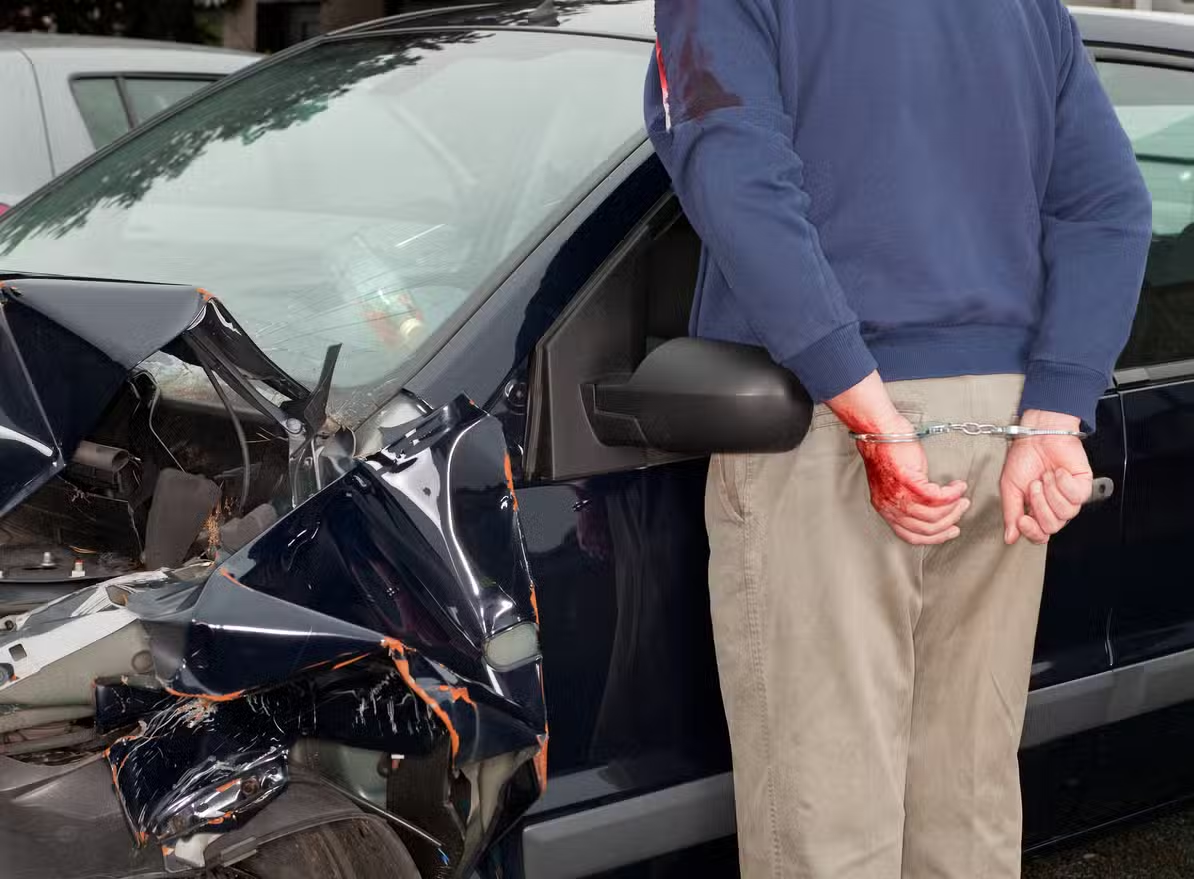
A rideshare driver rear-ends another vehicle while waiting for a request. The driver says the app was on, but no ride had been accepted. The personal insurer points to a rideshare exclusion. The TNC insurer asks for app logs. Coverage depends on the status at the exact crash time.
What evidence and mistakes matter most?
Which 5 records prove the rideshare period?
The strongest rideshare file preserves digital and scene evidence immediately.
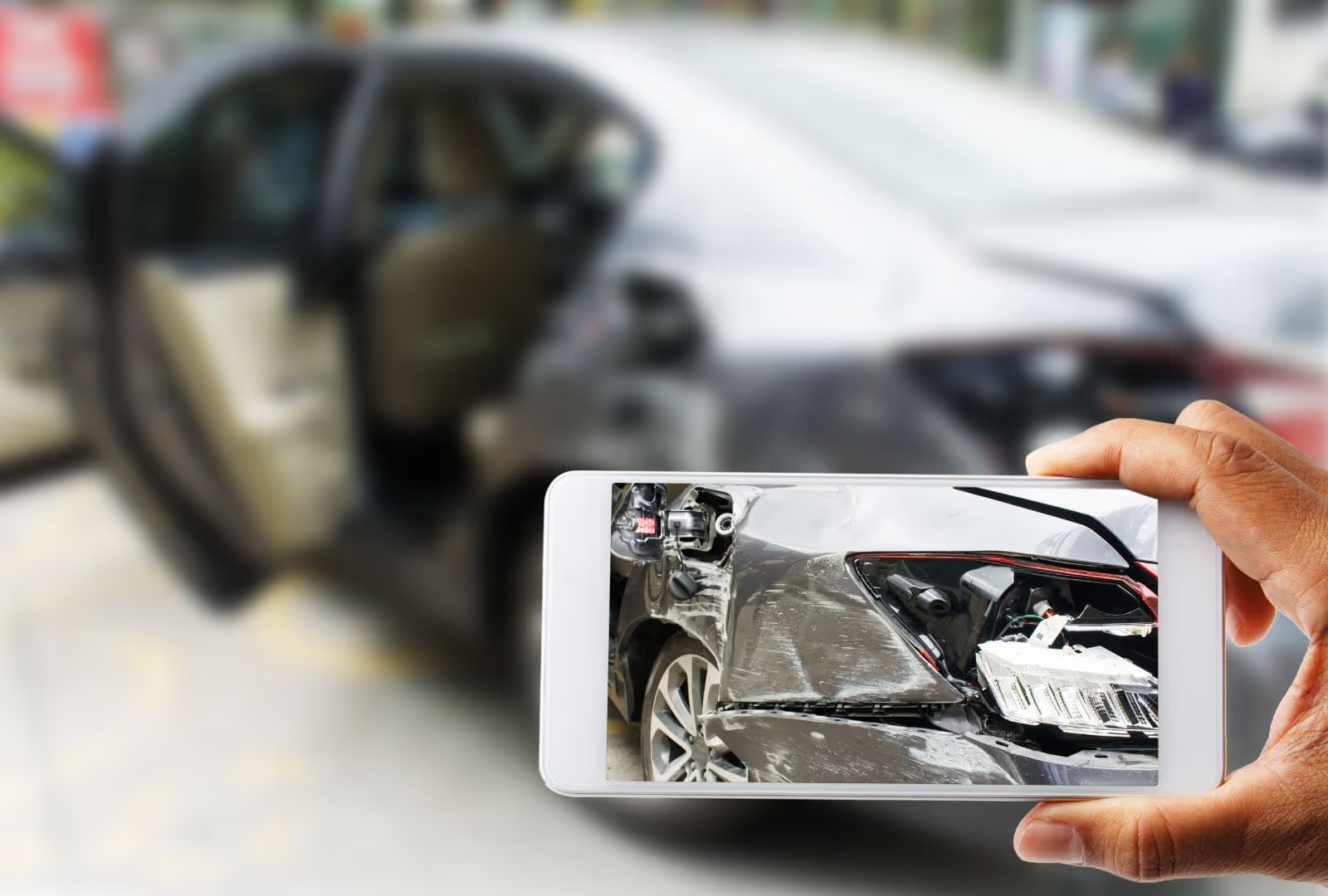
- Screenshot the ride, receipt, driver profile, route, pickup time, and drop-off time.
- Compare the accident time with app logs, ride acceptance time, and trip completion.
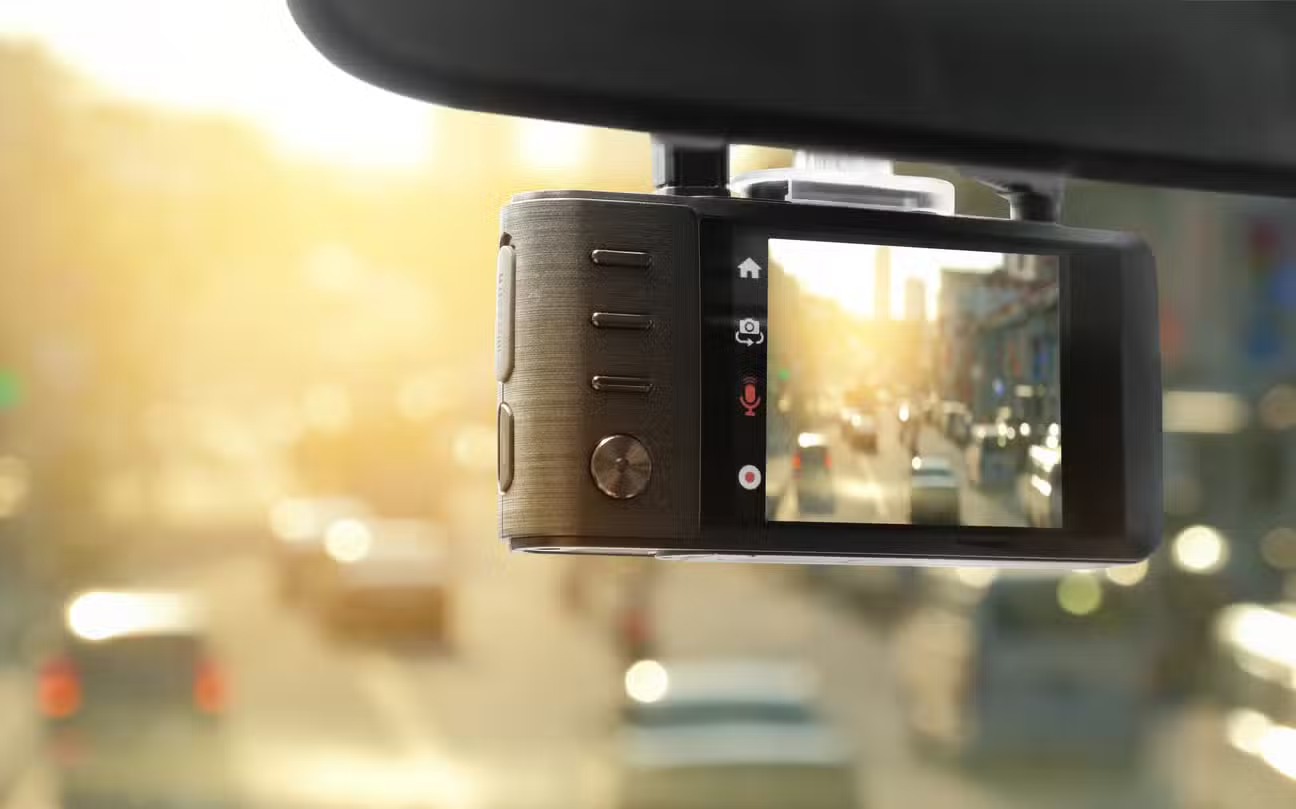
- Obtain the police report, witness statements, dash camera footage, and scene photos.
- Save insurance disclosures from the driver, the platform, and any personal carrier.
- Keep medical records, property damage proof, and claim correspondence.
Which 4 mistakes delay coverage?
Rideshare coverage delays grow when the app record disappears.
- Assume every rideshare crash has the same high-limit coverage layer.
- Let app receipts, messages, or trip screenshots disappear.
- Ignore status because the vehicle had a rideshare sticker.
- Rely on outdated coverage summaries without checking California rules.
How should this issue be handled before negotiation?
This issue should be handled by converting the rule into a dated evidence checklist. The driver should identify the triggering fact, collect the document that proves it, and ask the insurer to explain any coverage, deadline, or valuation position in writing. A rideshare accident lawyer can organize this record before the insurer’s position hardens.
Which 4 questions should the file answer?
The file should answer 4 questions before any release, repair authorization, denial, or valuation is accepted.
- Identify the statute, policy term, deadline, or coverage limit that controls the issue.
- Locate the document that proves the trigger fact, such as coverage, timing, identity, permission, or value.
- Confirm which insurer, public entity, driver, owner, platform, or repair shop has the next deadline.
- Decide which missing record would change the claim value if it were obtained now.
What does this mean for settlement value?
Settlement value changes when the issue shifts the claim from ordinary fault to a rule-based proof dispute. The injured person may need to prove coverage, preserve rights, meet a deadline, or correct a valuation before damages are discussed.
Which follow-up steps create proof?
These follow-up steps create a usable record.
- Send a short follow-up email after each claim phone call.
- Compare each insurer reason with documents, photographs, policy language, and deadlines.
- Request written confirmation before signing a release, accepting payment, or authorizing repairs.
- Store every document in a dated claim folder instead of separate email threads.
- Update the timeline when treatment, repairs, inspections, or agency responses change.
- Ask for the specific evidence the adjuster still needs to finish the review.
Which related California accident issues matter too?
California 30/60/15 Insurance Minimums explains why ordinary liability limits can be too small when rideshare coverage does not apply. California Underinsured Motorist Settlements explains why layered insurance requires notice before settlement. California One-Tap Phone Rule helps evaluate distraction if the driver was using the app or a mounted device. A rideshare accident lawyer can request platform data before insurers frame the crash as a personal-use trip.
What should injured people do next?
Injured people should save every app record, photograph the vehicle, identify the driver, and report the claim to all possible carriers. Rideshare coverage is a timeline problem. The earlier the status is preserved, the harder it is for insurers to shift the crash into the wrong period.

Michael Avanesian, the founder and driving force behind Avian Law Group, is a passionate and dedicated attorney with a strong background in personal injury law. As a partner at JT Legal Group, Michael led the growth of the personal injury practice from a single employee to a team of over ninety professionals, securing over $2 billion in settlements for clients in just three years.








.jpeg)

.jpeg)