

The car accident claim process involves notifying insurers, gathering evidence, assessing damages, negotiating settlements, and potentially going to court if negotiations fail. Knowing how this process works allows accident victims to efficiently pursue the compensation they're entitled to for injuries, damages, and other losses.
This article explains the essential stages of the car accident claim process and highlights important considerations to secure fair compensation.
Step-by-Step Overview of the Car Accident Claim Process
Understanding these key steps helps victims navigate the complexities of their claims effectively.
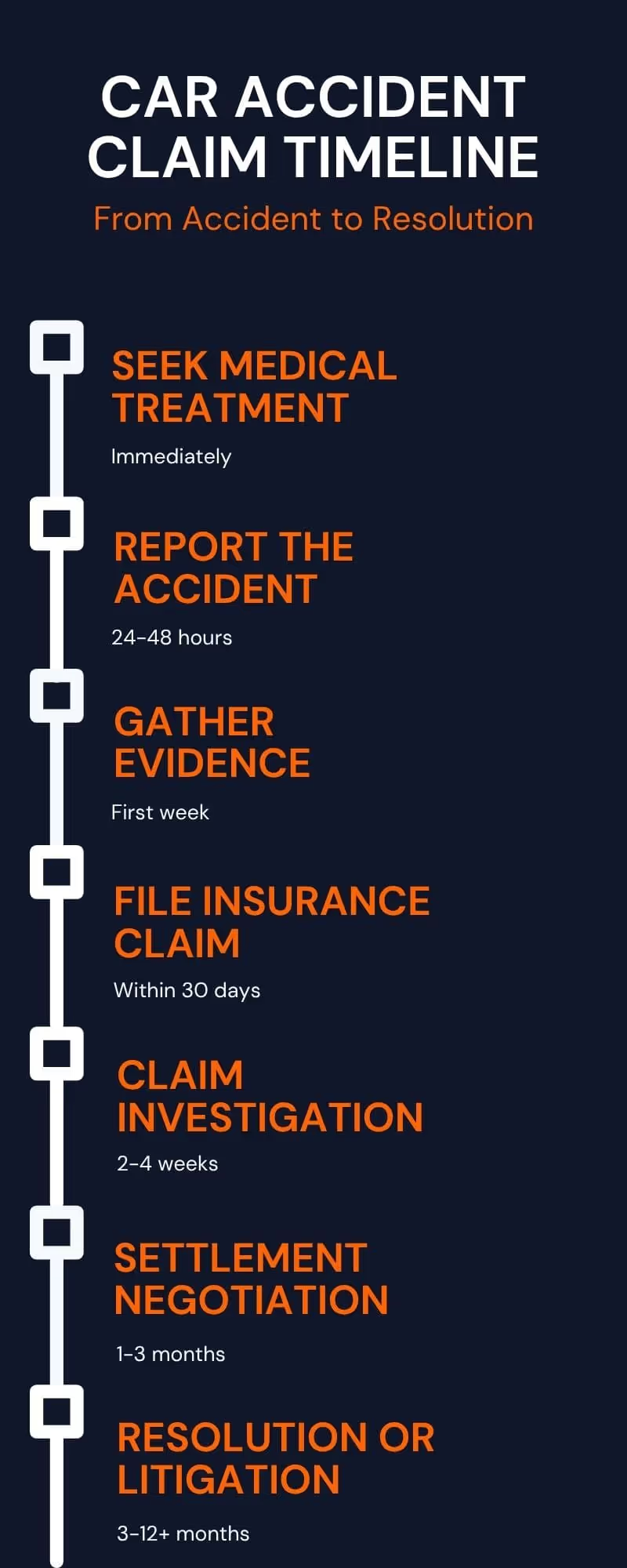
Step 1: Reporting the Accident Immediately
Always report a car accident promptly. Notifying authorities and insurers as soon as possible strengthens your position.
- Call the police at the scene to obtain an official accident report.
- Inform your insurer about the incident within 24–48 hours.
- Clearly describe facts without admitting fault or providing speculative information.

Step 2: Seeking Immediate Medical Treatment
Medical attention after an accident protects your health and establishes documentation critical to your claim.
- Get medical care promptly—even minor injuries can develop complications.
- Maintain detailed medical records of all treatments and diagnoses related to your injuries.
Step 3: Gathering Essential Evidence
Strong evidence supports your claim, improving settlement outcomes:
- Photos of vehicle damage, injuries, and accident scenes.
- Witness statements and contact details.
- Official police reports containing initial assessments of fault.
Step 4: Filing Your Insurance Claim
Initiate your claim by formally notifying your insurer and completing necessary documentation.
- Provide accurate, factual information regarding the accident.
- Include clear descriptions of your injuries, treatment expenses, and vehicle damages.
Step 5: Claim Investigation by Insurance Adjusters
Insurance adjusters investigate to determine liability, evaluate damages, and propose settlement offers.
- Provide truthful answers without volunteering unnecessary information.
- Adjusters evaluate medical expenses, lost wages, property damage, and pain and suffering when calculating settlements.
Step 6: Negotiating the Settlement Amount
Insurers typically offer lower initial settlement proposals. Effective negotiation is critical to achieving fair compensation.
- Counter low settlement offers by providing clear documentation of all damages and expenses.
- Remain patient, persistent, and professional throughout negotiations.
Step 7: Accepting a Settlement or Pursuing Litigation
Most claims resolve through negotiation. If satisfactory terms aren't reached, litigation may become necessary.
- Evaluate settlements carefully—once accepted, you generally cannot request additional compensation later.
- If negotiation stalls, consulting a car accident attorney significantly improves your chances of obtaining appropriate compensation through litigation.
How Long Does the Car Accident Claim Process Take?
Most car accident claims settle within 3 to 12 months, though timelines vary significantly based on case complexity, injuries involved, and negotiation progress.
- Simple claims with clear liability and minor injuries often resolve within weeks or a few months.
- Complex claims involving serious injuries or liability disputes may require over a year, especially if litigation occurs.
What Factors Impact the Car Accident Claim Process?
Several factors influence how quickly and smoothly your claim resolves:
- Severity of Injuries: Extensive injuries often require prolonged treatments, extending claim duration.
- Clarity of Liability: Disputed liability significantly delays the resolution process.
- Quality of Evidence: Clear, thorough documentation and compelling evidence accelerate settlements.
- Insurance Cooperation: Some insurers process claims efficiently, while others use delay tactics to reduce payouts.
What Compensation Can You Expect from a Car Accident Claim?
Victims typically receive compensation covering several categories of damages, including:
- Medical Expenses: Hospital visits, medications, surgeries, therapy, and ongoing care.
- Lost Wages: Income lost due to inability to work during recovery.
- Pain and Suffering: Compensation for physical and emotional distress from injuries.
- Property Damage: Vehicle repair or replacement costs.
- Loss of Consortium: Damages reflecting impact on relationships with family members.
Understanding these compensation categories helps set realistic expectations and prepare strong supporting documentation.
Common Mistakes to Avoid in the Car Accident Claim Process
Avoiding common pitfalls protects your claim value:
- Admitting Fault Prematurely: Never admit fault at the accident scene or to insurers without professional advice.
- Accepting Quick Settlements: Initial offers rarely cover full damages—take time to evaluate and negotiate.
- Delaying Medical Treatment: Gaps in treatment documentation weaken your claim significantly.
- Providing Recorded Statements Unprepared: Recorded statements can be used against you; consult legal advice before agreeing to these interviews.
When Should You Consult a Car Accident Attorney?
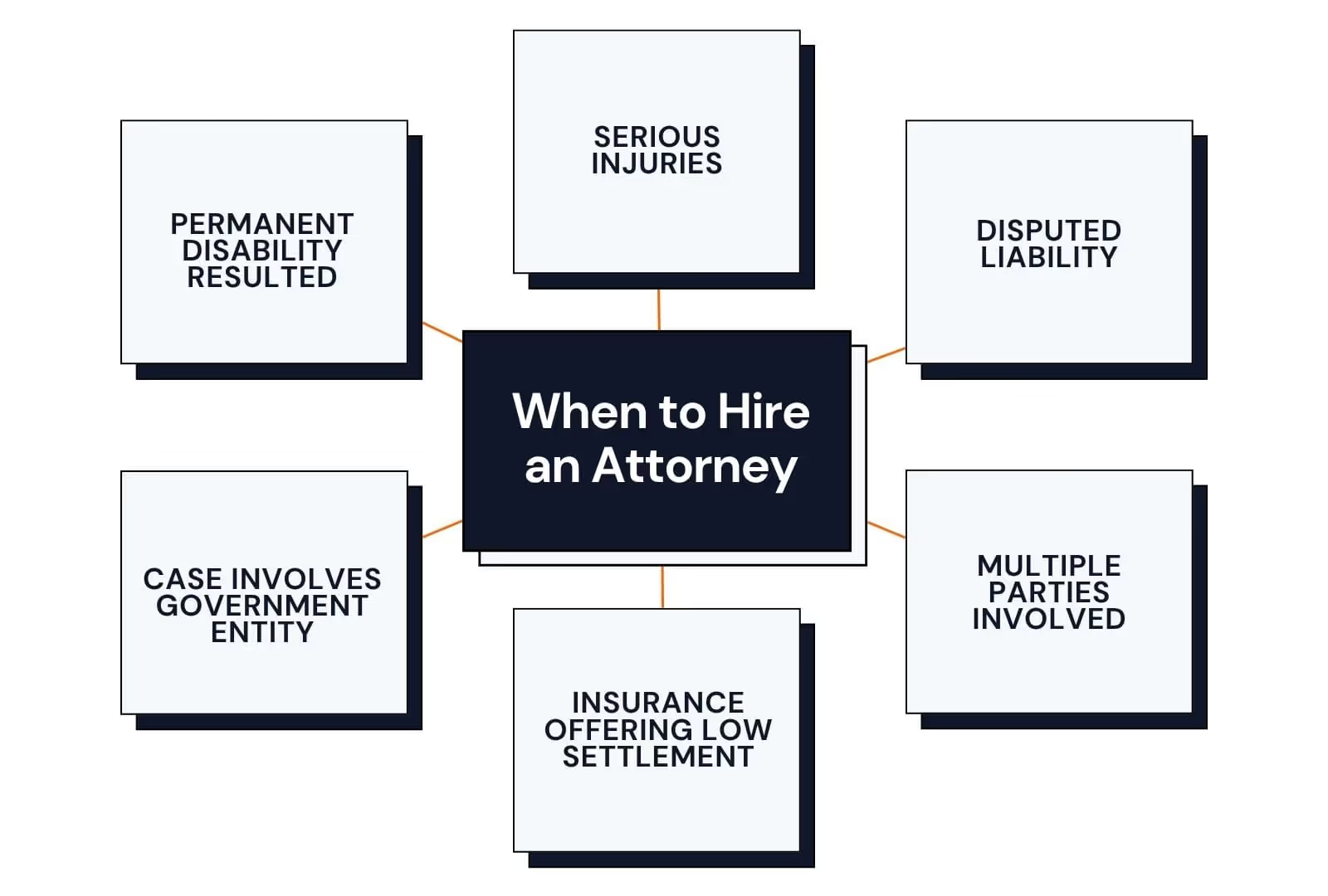
Consider consulting a car accident attorney if your claim involves:
- Serious or long-term injuries requiring significant compensation.
- Complex liability disputes or multiple involved parties.
- Unfairly low settlement offers from insurers.
An attorney helps maximize settlement amounts, negotiates effectively with insurance companies, and protects your rights throughout the claims process.
Related Resources to Strengthen Your Car Accident Claim Understanding
Further improve your understanding by reviewing these related topics:
- How to Maximize Car Accident Settlement Amounts After an Injury: Learn effective strategies to significantly enhance your settlement value.
- What to Do If You Were Rear Ended in a Car Accident: Find specialized guidance on handling rear-end collisions and related claims.
- How a Witness Statement Can Strengthen Your Car Accident Case: Explore how witness statements provide critical supporting evidence, improving your claim outcomes.
Conclusion: Successfully Navigating the Car Accident Claim Process
The car accident claim process involves clearly defined steps—from reporting the accident and gathering evidence to negotiating settlements or pursuing legal action. By understanding each stage clearly, documenting meticulously, and avoiding common mistakes, victims significantly improve their chances of obtaining fair and timely compensation.
Should complexities or disputes arise, consulting with an experienced car accident attorney ensures the protection of your legal rights and maximizes potential settlement outcomes.
.png)
Laura Delgado is an accomplished digital marketing specialist at Avian Law Group. She brings with her a wealth of experience and a strong background in criminal justice and psychology, which has proven to be invaluable in her role at the firm. Laura’s exceptional leadership qualities and her ability to excel under pressure enable her to adapt to any situation and contribute significantly to the team.











.jpeg)

.jpeg)