
Even a minor car accident can have long-term consequences that aren’t immediately obvious. While it may seem unnecessary to involve an attorney, certain factors can quickly complicate the situation. Understanding when legal representation is beneficial helps you protect your rights and avoid costly mistakes.
When Is a Car Accident Considered Minor?
Minor accidents usually involve:
- Low-speed collisions
- Minimal visible vehicle damage
- No immediate or serious injuries
- Simple insurance claims
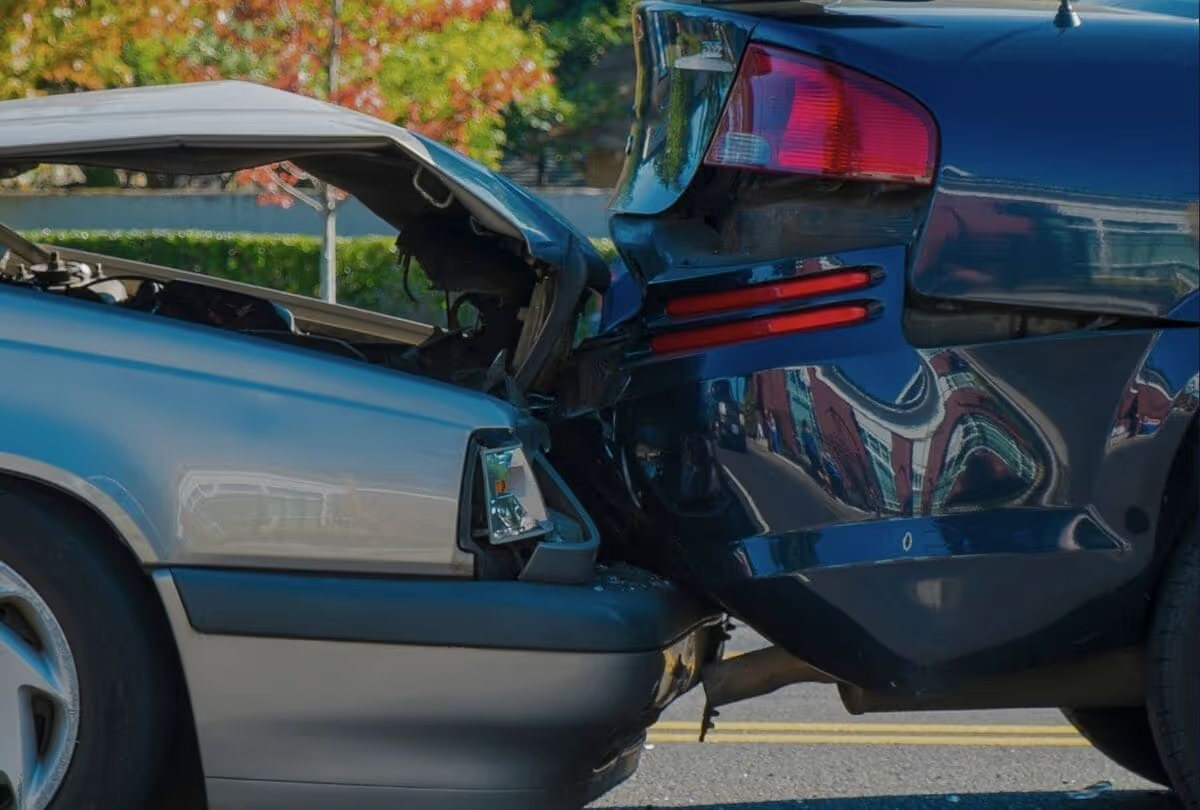
Examples include fender benders in parking lots or light rear-end collisions at stoplights. In these cases, many people assume that calling an attorney is excessive, but that can be a mistake if hidden damages arise.
Hidden Injuries Can Appear Days Later
Even low-speed impacts can result in injuries such as:
- Whiplash
- Soft tissue damage
- Concussions
- Back strain
Symptoms might not emerge until hours or days after the crash. If you initially decline medical attention, the insurance company may argue your injuries were unrelated or fabricated. A car accident attorney can help you document and validate injuries, even if they weren’t immediately apparent.

Insurance Companies Often Undervalue Claims
In minor accidents, insurers may downplay injury claims or deny compensation for pain and suffering. They may pressure you to accept a fast settlement that doesn’t reflect your actual damages. Without legal guidance, many people accept low offers and later realize the payout doesn’t cover all their expenses.
An attorney ensures that all damages,both immediate and future, are considered. This includes medical costs, car repairs, lost wages, and emotional distress.

Proving Fault Isn't Always Simple
Even in straightforward crashes, the other driver might deny responsibility. If there’s no police report or witnesses, it becomes your word against theirs. A lawyer can help gather surveillance footage, obtain expert opinions, and build a clear case for fault.
This is especially important in states that follow comparative negligence laws, where your compensation could be reduced if you're found partially at fault.

Property Damage Disputes Can Delay Compensation
Repair shops and insurers may disagree on whether a vehicle is repairable or totaled. If your car is relatively new or high-end, even small dents can result in costly repairs. An attorney can step in if the insurance company refuses to pay for original parts, full repairs, or rental reimbursement.
What If the Other Driver Is Uninsured?
If the at-fault driver lacks insurance or carries only the minimum coverage, your own uninsured/underinsured motorist policy may need to cover the costs. This can get complex, as your insurer becomes the opposing party. Legal guidance ensures your own provider doesn’t underpay your claim.
For further reading on insurance disputes and claim procedures, visit Avian Law Group’s news section, which covers recent developments and case studies involving underinsured drivers and disputed claims.
Situations Where a Lawyer Is Strongly Recommended
You should consult a lawyer if:
- You have any injury, no matter how minor it seems
- The other party disputes fault
- An insurer denies or delays your claim
- You’re asked to sign a release form
- There’s significant property damage
- You feel pressured to settle quickly
Legal fees are often based on a contingency model, meaning you don’t pay unless you recover compensation. This removes financial risk while ensuring someone is advocating for your full recovery.
What Can a Lawyer Do for a Minor Case?
Even in smaller claims, an attorney can:
- Review settlement offers for fairness
- Collect evidence to strengthen your position
- Coordinate medical treatment and documentation
- Handle all communication with insurers
- Ensure deadlines and paperwork are properly handled
Frequently Asked Questions
Is it worth hiring a lawyer if the damage is under $1,000?
It depends on the situation. If you're experiencing neck or back pain, or if the other party is uncooperative, it may still be worth consulting an attorney. The cost of untreated injuries or denied compensation often exceeds repair costs.
Will hiring a lawyer delay my claim?
In most cases, no. Lawyers streamline the process by handling paperwork and negotiations efficiently. They also prevent unnecessary delays caused by incorrect filings or missing documentation.
Can I switch to a lawyer if I've already started the claim on my own?
Yes. Many people begin the process independently and later realize they need help. An attorney can take over communication and protect your interests immediately.
Final Thought
While you might not need a lawyer for every minor accident, the risks of handling a claim alone are often underestimated. Medical complications, liability disputes, and insurance tactics can quickly turn a simple situation into a complex one. Consulting a qualified car accident attorney ensures you don’t make decisions that cost you in the long run. Even small accidents deserve proper attention and protection.

Michael Avanesian, the founder and driving force behind Avian Law Group, is a passionate and dedicated attorney with a strong background in personal injury law. As a partner at JT Legal Group, Michael led the growth of the personal injury practice from a single employee to a team of over ninety professionals, securing over $2 billion in settlements for clients in just three years.











.jpeg)

.jpeg)