
After a car accident, your immediate response can significantly impact your health, insurance claim, and potential legal case. Knowing what steps to take ensures you protect yourself legally and medically while minimizing complications.
Check for Injuries and Call Emergency Services
Your first priority should always be safety. If anyone is injured, even slightly, call 911. Emergency responders can treat injuries on-site and transport people to the hospital if needed. Request a police presence, as their report can serve as vital evidence for your insurance claim or personal injury case.
Move to a Safe Area and Prevent Further Damage
If your vehicle is drivable and it’s safe to do so, move it to the shoulder or a nearby parking lot. Turn on hazard lights and set up cones or warning triangles if you have them. This helps avoid secondary collisions and ensures the safety of others at the scene.
Exchange Information with Other Drivers
Collect key details from the other parties involved:
- Full name and contact information
- Driver’s license number
- License plate number
- Insurance provider and policy number
Keep your interaction polite and limited. Do not admit fault or discuss the details of the crash beyond the basic facts. These statements can be used against you later.
Document the Scene Thoroughly
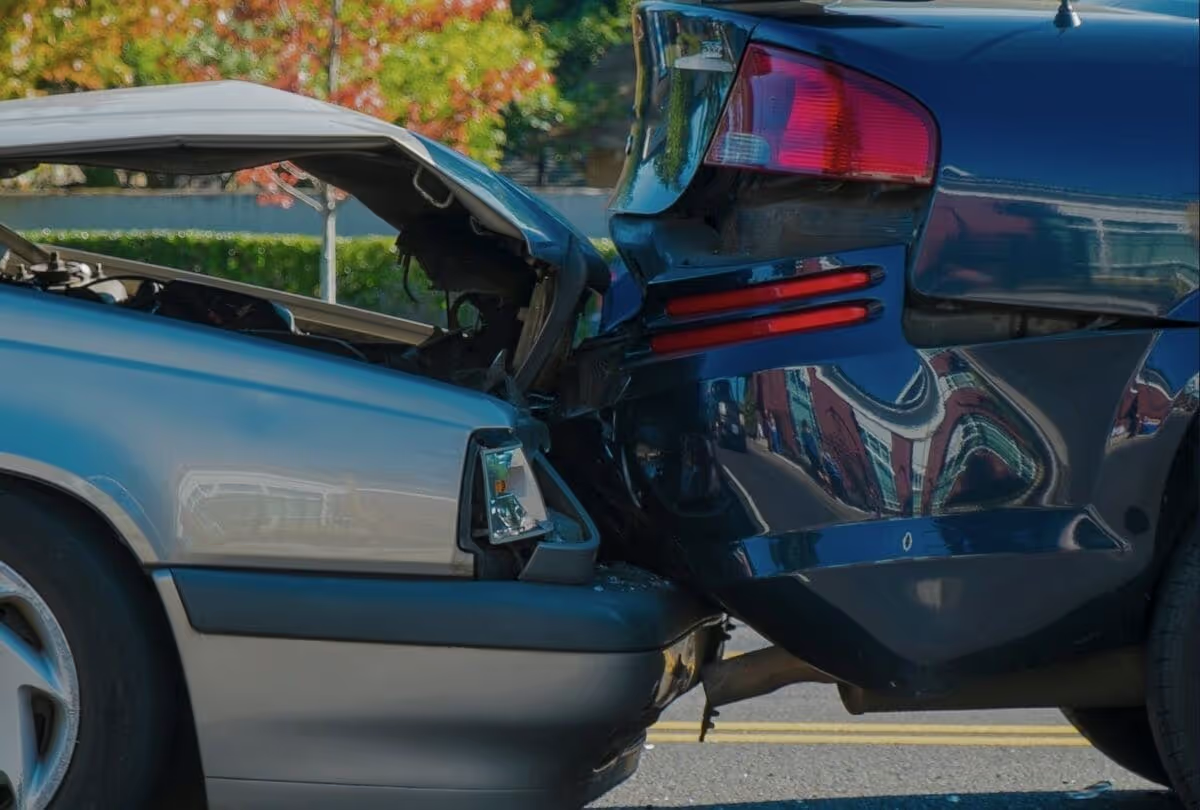
Use your phone to take photos and videos from multiple angles:
- Vehicle damage
- Road conditions
- Traffic signs
- Skid marks or debris
- Any visible injuries
Also, gather contact information from witnesses. Their neutral accounts can support your version of events if liability is questioned.
File a Police Report
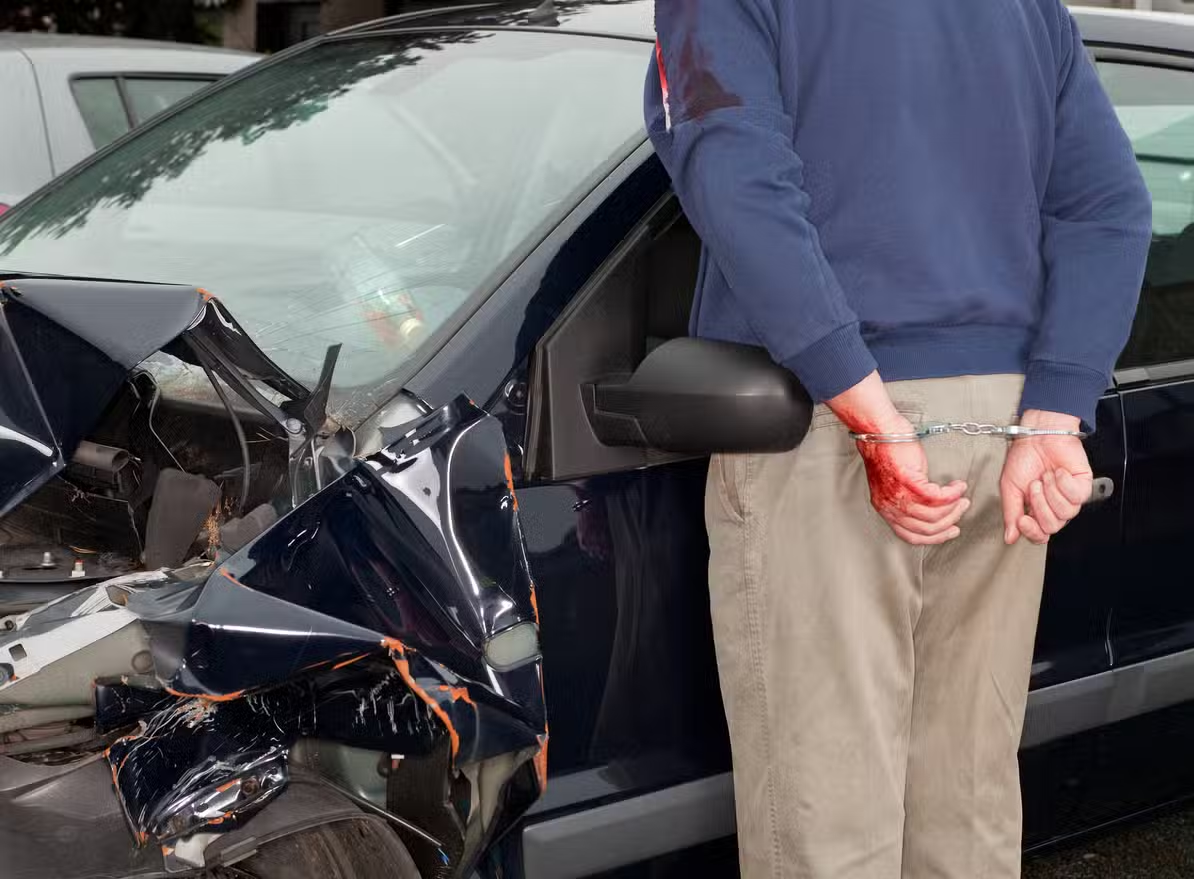
Even for minor accidents, getting an official report is essential. Tell the officers exactly what happened without speculation. Ask for the report number and how to obtain a copy. This report may be necessary when filing an insurance claim or working with a car accident attorney.
Seek Medical Attention Immediately
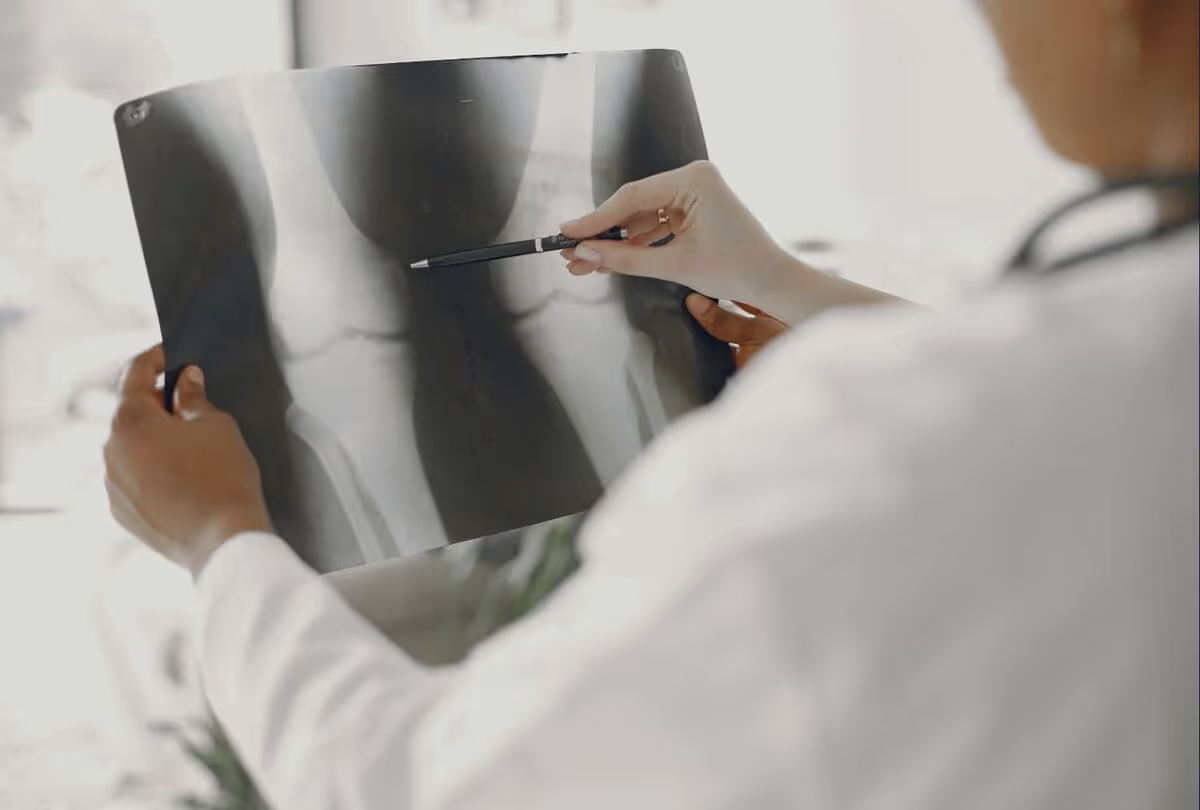
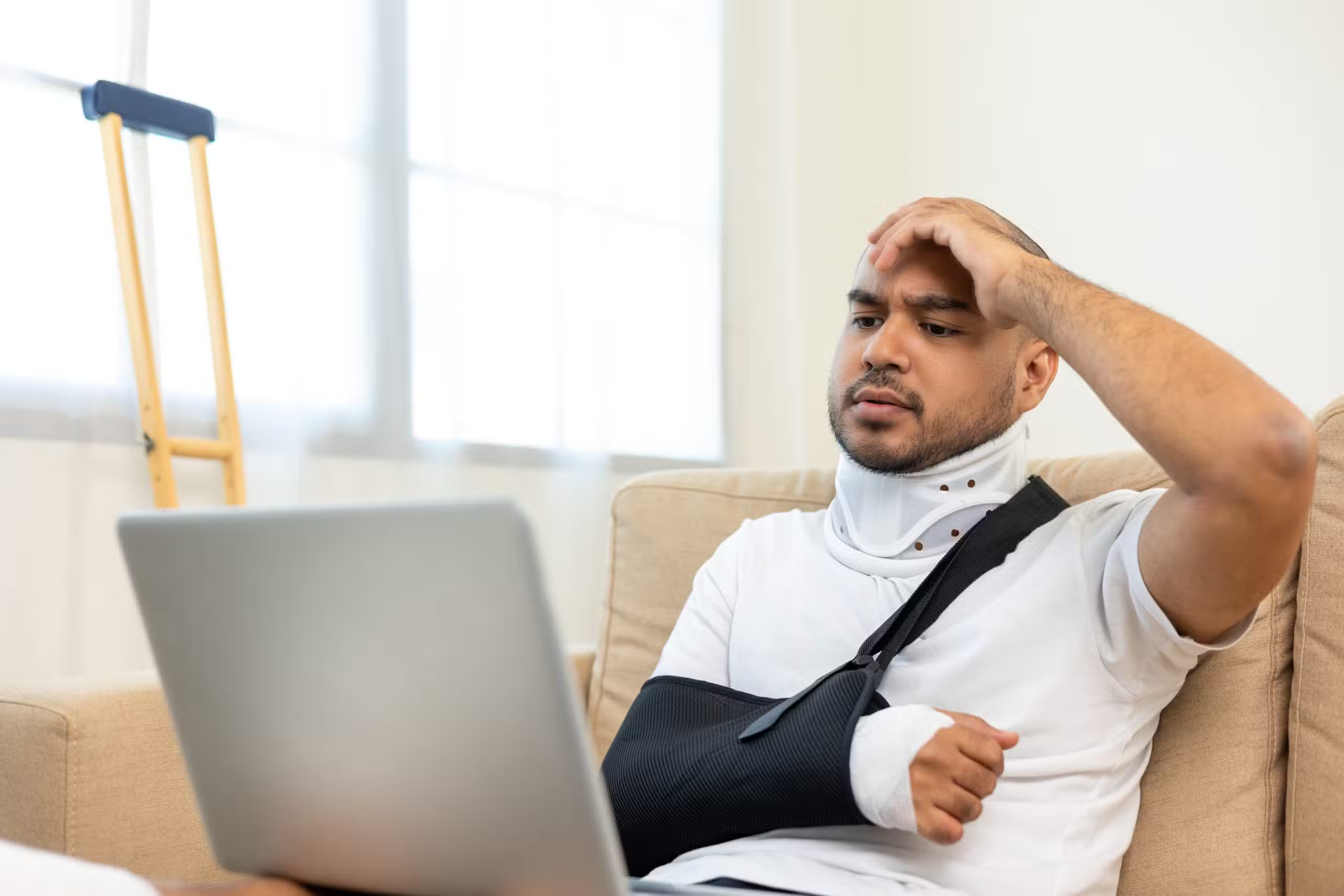
Some injuries, like whiplash, soft tissue damage, or internal trauma, may not show symptoms right away. Visit a doctor the same day and follow up as recommended. Having a documented medical evaluation creates a strong connection between the accident and any future health issues.
Notify Your Insurance Company
Report the accident to your insurer as soon as possible, ideally within 24 hours. Stick to the facts and avoid speculating. Insurance companies often request recorded statements early on, do not agree to this without legal advice, especially if you’re injured.
Start a Paper Trail
Keep records of all expenses and communications:
- Medical bills and prescriptions
- Repair estimates and receipts
- Lost wages from missed work
- Transportation costs for medical appointments
Accurate documentation supports your case and helps maximize your compensation.
Avoid Social Media Discussions
Do not post photos, updates, or opinions about the accident on social platforms. Insurance companies and opposing lawyers may use these posts to challenge the validity of your claims.

Understand When to Involve a Lawyer
If your injuries are significant, if fault is disputed, or if you're facing delays or denials from insurance, it’s time to speak to a legal professional. Working with an experienced car accident attorney ensures you understand your rights, file on time, and avoid mistakes that could cost you compensation.
Reference Legal Resources
Educating yourself helps you make informed decisions. Access a wide range of useful legal information through Avian Law Group’s legal resources page, which covers timelines, fault laws, insurance strategies, and more.
Key Takeaways to Remember
- Act fast: Seek help and report the accident right away.
- Document everything: Photos, witness info, and official reports are crucial.
- Don’t admit fault: Let the facts and investigation determine liability.
- See a doctor: Even if you feel fine, always get a medical evaluation.
- Talk to a lawyer if unsure: Legal advice early on can prevent costly missteps.
Common Questions After a Crash
What if I feel okay? Should I still see a doctor?
Yes. Many accident-related injuries take hours or days to appear. Seeing a medical professional right away ensures you're not overlooking internal injuries and builds the foundation for a valid insurance or legal claim.
Should I accept the first settlement offer?
Not without speaking to an attorney. Early offers are usually low and designed to close the case quickly. A lawyer can help determine if the amount covers your total medical costs, lost wages, and long-term impacts.
Is a police report really necessary?
Yes. Without a police report, it’s your word against the other driver’s. The report provides a neutral third-party account, which insurance companies and courts rely on to assess fault and damages.
Final Word
Your actions in the moments and days following a car accident matter. Prioritize safety, gather evidence, and protect your legal interests. By following these steps, you ensure the strongest possible foundation for your recovery, both physical and financial.

Michael Avanesian, the founder and driving force behind Avian Law Group, is a passionate and dedicated attorney with a strong background in personal injury law. As a partner at JT Legal Group, Michael led the growth of the personal injury practice from a single employee to a team of over ninety professionals, securing over $2 billion in settlements for clients in just three years.











.jpeg)

.jpeg)