
When you're injured in a car accident caused by another driver, your ability to recover compensation often depends on that driver's insurance coverage. But what happens if the at-fault driver doesn’t have insurance at all? You still have options, but the process becomes more complicated and often requires legal guidance.
Understanding Uninsured Drivers
An uninsured driver is someone who operates a vehicle without any form of auto liability insurance. Despite legal requirements in most states, millions of drivers remain uninsured. If one of them causes an accident, you could be left with serious injuries and no obvious source of compensation—unless you're prepared.
Use Your Own Uninsured Motorist Coverage
Most auto insurance policies offer Uninsured Motorist (UM) coverage, either by requirement or as an optional add-on. This type of coverage is designed for exactly this situation.
UM coverage can pay for:
- Medical expenses
- Lost income
- Pain and suffering
- Funeral expenses (in wrongful death cases)
If you carry this coverage, your own insurance provider essentially steps into the role of the at-fault driver’s insurer. However, that doesn’t mean they’ll pay easily. They may still attempt to minimize your claim, which is why speaking with a car accident attorney is highly recommended.
Underinsured Motorist Coverage Also Applies in Some Cases
An underinsured driver is someone who has insurance, but the coverage limits are too low to fully compensate for your losses. In that case, your Underinsured Motorist (UIM) coverage can make up the difference between their policy limit and your total damages.
Example:
If your medical bills and other damages total $100,000, but the at-fault driver only has $25,000 in liability coverage, your UIM coverage could help cover the remaining $75,000, if you have it.
Filing a Lawsuit Against the Uninsured Driver
You can sue an uninsured driver directly. However, in many cases, this is not practical. If the driver doesn’t have insurance, they likely don’t have sufficient personal assets to pay a judgment. Winning in court doesn’t guarantee payment. Collecting on the judgment may be difficult or even impossible.
That said, your attorney may uncover assets, secondary policies, or employer liability (in the case of a work-related accident) that could offer additional avenues for recovery.

Other Sources of Compensation
Additional potential recovery options include:
- MedPay: A no-fault policy you may have that covers medical expenses regardless of fault.
- Health insurance: Can pay for treatment, though you may need to reimburse it from any settlement.
- Personal injury protection (PIP): In states that offer or require it, PIP helps cover medical costs and lost wages regardless of who caused the crash.
A car accident attorney can help you layer multiple coverage sources to ensure maximum recovery. They’ll also handle coordination between providers and fight back if your insurer tries to undervalue your claim.
For in-depth explanations of coverage rules and recovery strategies, Avian Law Group’s legal resources provide breakdowns specific to uninsured and underinsured claims.
Steps to Take If the At-Fault Driver Has No Insurance
- Call the police – Always report the accident and ensure a report is filed, especially if the other driver lacks insurance.
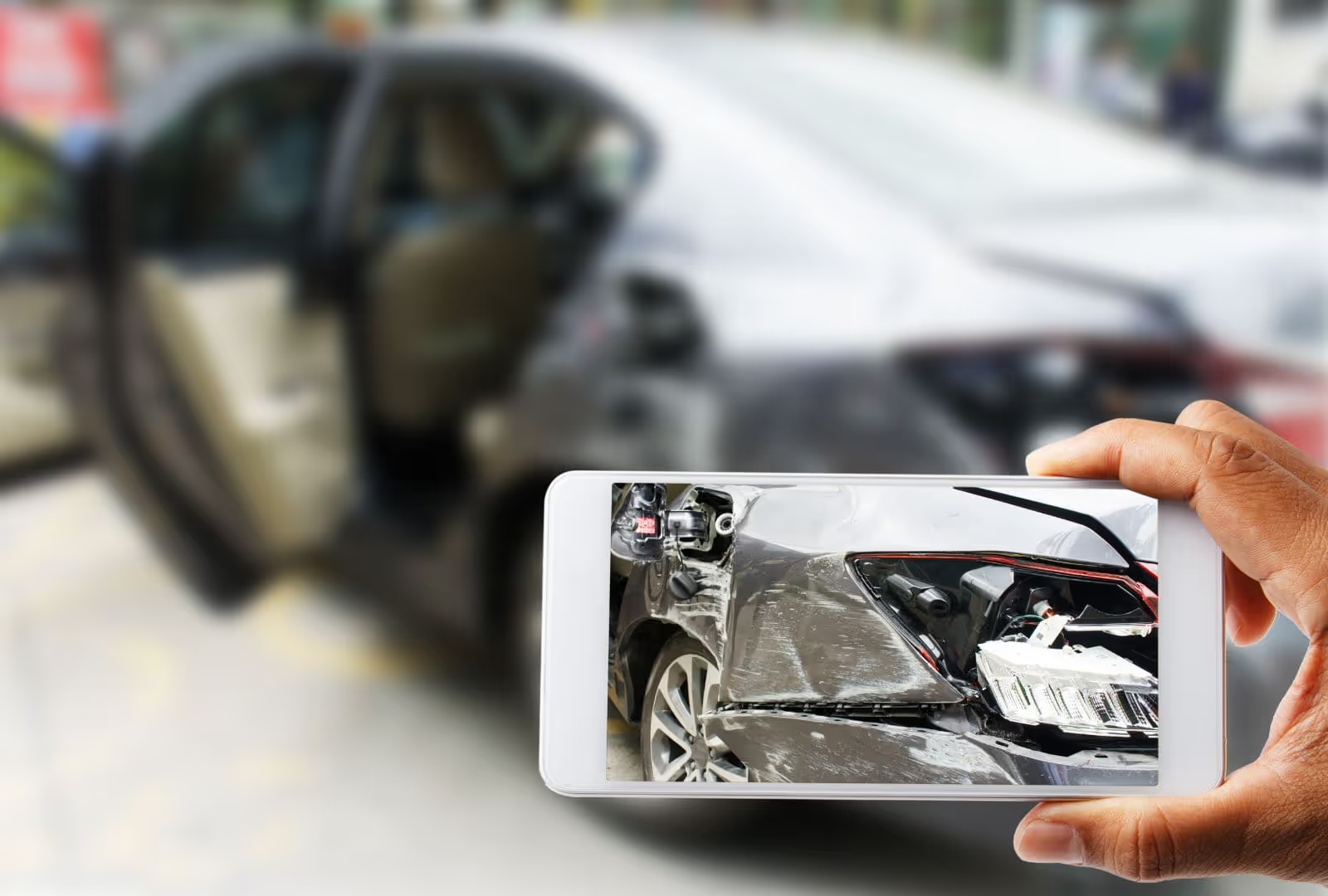
- Gather evidence – Take photos, collect witness information, and keep all documentation.
- Notify your insurer – Inform them of the uninsured driver and request instructions for initiating a UM claim.
- Seek medical attention – Even for minor injuries, early medical records are critical.
- Consult an attorney – An experienced lawyer can help you understand what coverage is available and file the right claims promptly.
Common Challenges With UM/UIM Claims
- Denials based on policy exclusions or limits
- Low settlement offers that don’t reflect total losses
- Delays in payment or processing
- Arguments that your injuries weren’t accident-related
A legal team ensures these tactics don’t cost you compensation you’re entitled to.
Frequently Asked Questions
Do I need to buy UM or UIM coverage?
It depends on your state. Some states require it, while others only offer it as optional. Regardless, it's strongly recommended as protection against uninsured drivers.
What if I was a passenger?
You may be covered by the driver’s UM/UIM policy, your own policy, or the policy of a relative you live with. Multiple sources may apply, and an attorney can help identify the best path forward.
Can I be denied a UM claim?
Yes, your insurer may attempt to deny the claim or offer less than it’s worth. Legal representation is essential to ensure your rights are respected and your losses are fully addressed.
Final Thought
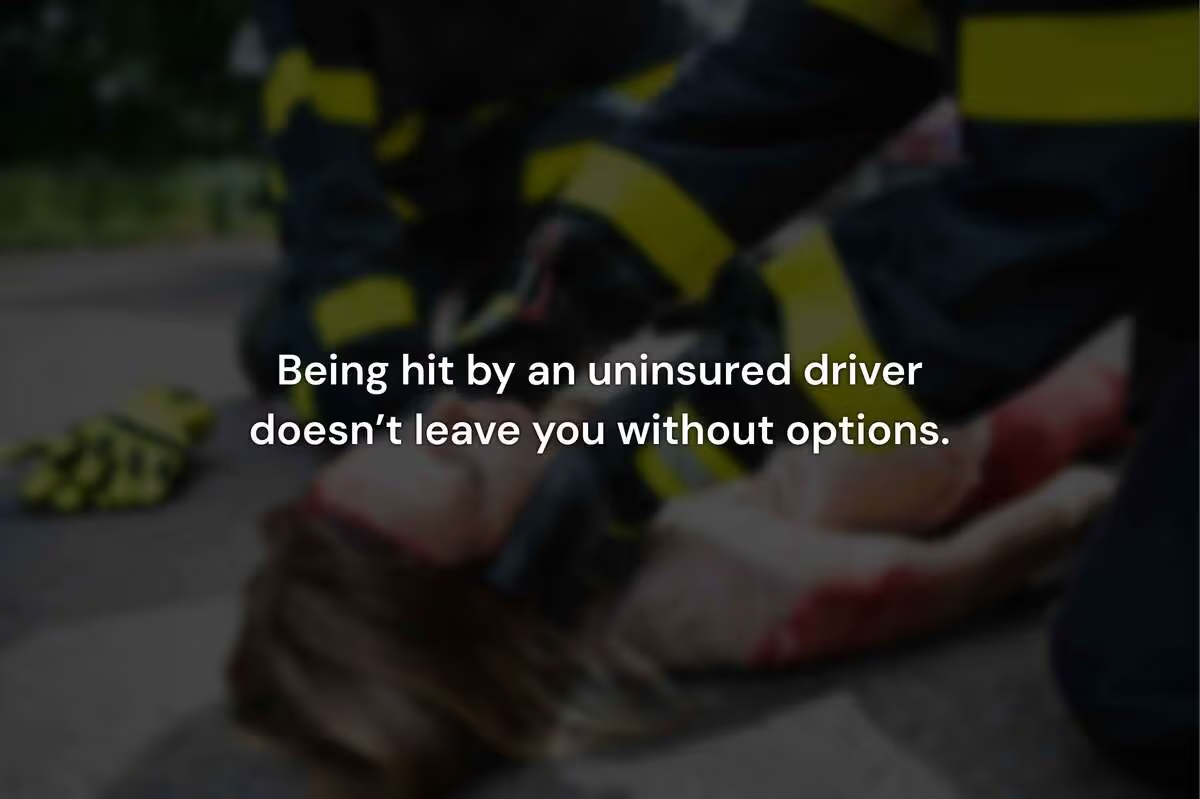
Getting hit by an uninsured driver doesn’t mean you’re out of options—but it does mean the process is more complex. With the right insurance coverage and legal strategy, you can still recover the compensation you need for medical care, lost wages, and pain and suffering. A knowledgeable car accident attorney can help you navigate this difficult situation and fight for every dollar you deserve.

Michael Avanesian, the founder and driving force behind Avian Law Group, is a passionate and dedicated attorney with a strong background in personal injury law. As a partner at JT Legal Group, Michael led the growth of the personal injury practice from a single employee to a team of over ninety professionals, securing over $2 billion in settlements for clients in just three years.











.jpeg)

.jpeg)