
Pedestrians struck by vehicles in Los Angeles have the right to pursue compensation for their injuries, lost income, and pain and suffering. California law protects pedestrians broadly, but the process of actually recovering damages requires understanding how fault is established, what evidence matters, and why acting quickly after the accident is critical. Pedestrian accidents produce some of the most severe injuries seen in personal injury law because the human body has no structural protection when struck by a moving vehicle. Understanding your legal rights immediately after being hit is the first step toward full recovery.
What California Law Says About Driver Duty of Care
Every driver on a California road owes a duty of reasonable care to pedestrians. This duty is heightened in crosswalks, school zones, residential areas, and anywhere with posted pedestrian warnings or reduced speed limits. When a driver fails to yield at a marked crosswalk, runs a red light, exceeds the speed limit, or operates while distracted by a phone or other device, they have likely breached that duty of care.
California has specific statutes that define pedestrian rights in crosswalks and at intersections. Understanding California pedestrian and crosswalk laws before speaking with an attorney helps you frame exactly where the driver's legal obligation applied and where it was violated. These statutes give pedestrians the right of way in marked crosswalks, at intersections whether marked or unmarked, and when crossing at traffic signals. Drivers are required to yield and must exercise reasonable care even when a pedestrian is not in a designated crossing area.
The breach of duty itself is not enough to support a personal injury claim. The breach must have directly caused your injuries and produced measurable damages. Establishing that causal link between the driver's conduct and your specific injuries is one of the central functions of the evidence-gathering process that begins immediately after the accident.

What to Do in the Immediate Aftermath
The steps you take in the first hours after being struck by a vehicle directly affect the strength of your claim and your ability to prove fault. Call 911 immediately, even if your injuries do not feel severe at the moment. A police report creates an official record of the incident, documents the location, preserves the driver's information and insurance details, and includes the responding officer's preliminary assessment of fault.
Accept emergency medical treatment when it is offered, even if you believe you are not seriously injured. Delayed-onset injuries are extremely common in pedestrian accidents. Traumatic brain injuries, internal bleeding, and soft tissue damage may not produce immediate symptoms but require documented clinical evaluation within hours of the impact. Declining medical treatment at the scene and seeking care days later creates a gap that insurance companies will use to argue your injuries were not caused by the accident.
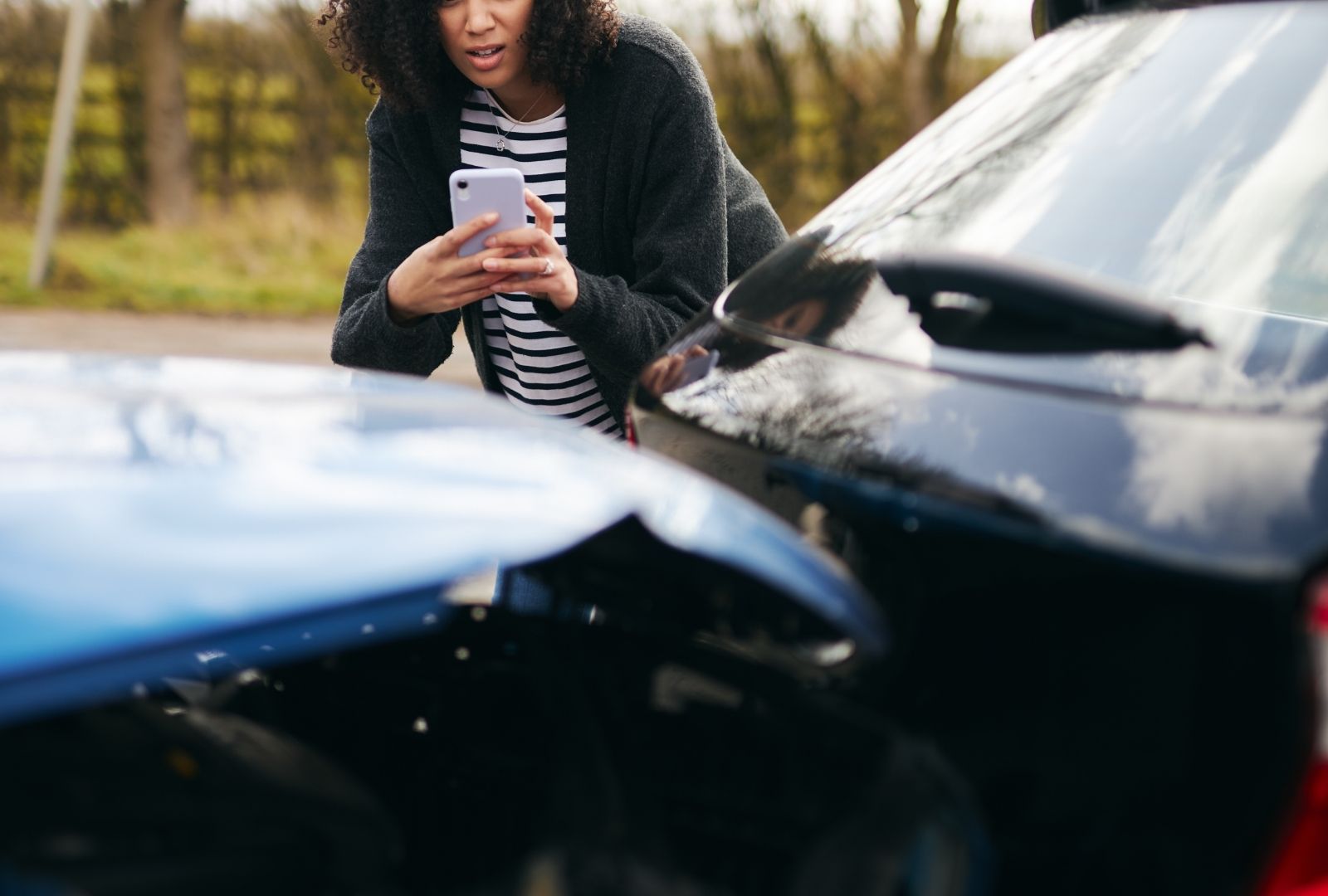
Photograph the scene before leaving if you are physically able to do so. Capture the vehicle and its position, any skid marks or debris, the traffic signal status, road conditions, and the surrounding area including crosswalk markings and signage. Witness contact information should be obtained if anyone stopped to help or observed the collision. Our article on what to do immediately after a car accident covers the full evidence-preservation checklist that applies equally when you are the pedestrian rather than a driver.

How Comparative Fault Affects Pedestrian Claims
California uses pure comparative fault, which means your compensation is reduced by your percentage of fault even if you were partially responsible for the accident. A driver's attorney or insurance company may argue that you crossed outside a crosswalk, stepped into traffic against a signal, were wearing dark clothing at night, or were distracted by your phone. These arguments do not eliminate your claim under California law, but they can substantially reduce the damages you recover.
The degree to which fault is assigned depends heavily on the evidence available. Witness accounts, surveillance footage from nearby businesses or traffic cameras, accident reconstruction analysis, and the physical evidence at the scene all contribute to the determination of comparative fault. Building that evidentiary record quickly, before footage is automatically deleted and witnesses become difficult to locate, is one of the most important things an attorney does in the early stages of a pedestrian accident case.

What Compensation Is Available in Pedestrian Claims
Compensation in a pedestrian accident claim covers 3 primary categories of damages:
- Economic damages: All medical expenses including emergency care, surgery, rehabilitation, and future treatment costs; lost wages during recovery; reduced earning capacity if the injuries produce permanent disability; and property damage to personal items destroyed in the collision.
- Non-economic damages: Pain and suffering, emotional distress, loss of enjoyment of life, permanent scarring or disfigurement, and loss of consortium for the injured person's spouse or family.
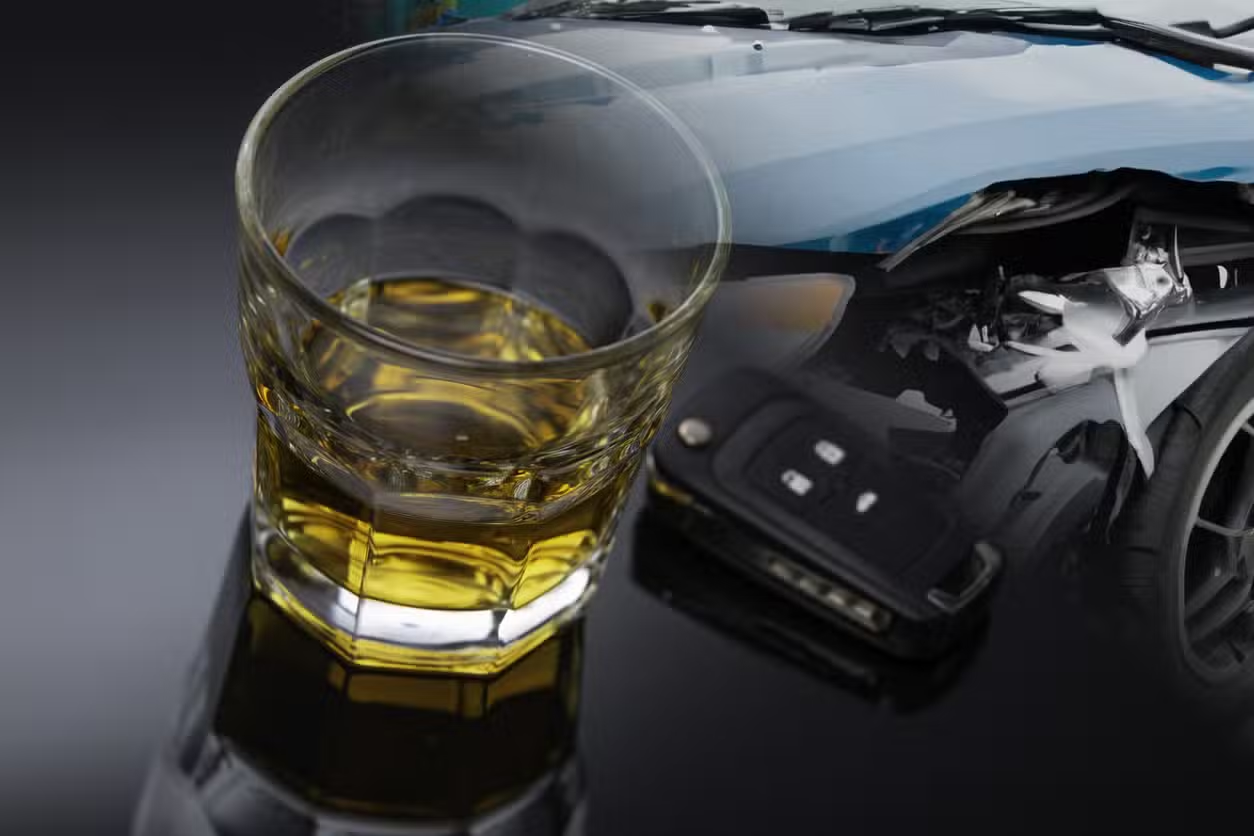
- Punitive damages: Available in cases involving gross negligence or intentional misconduct, such as a driver who was intoxicated, fleeing police, or deliberately disregarded traffic laws in a manner that showed conscious disregard for the safety of others.
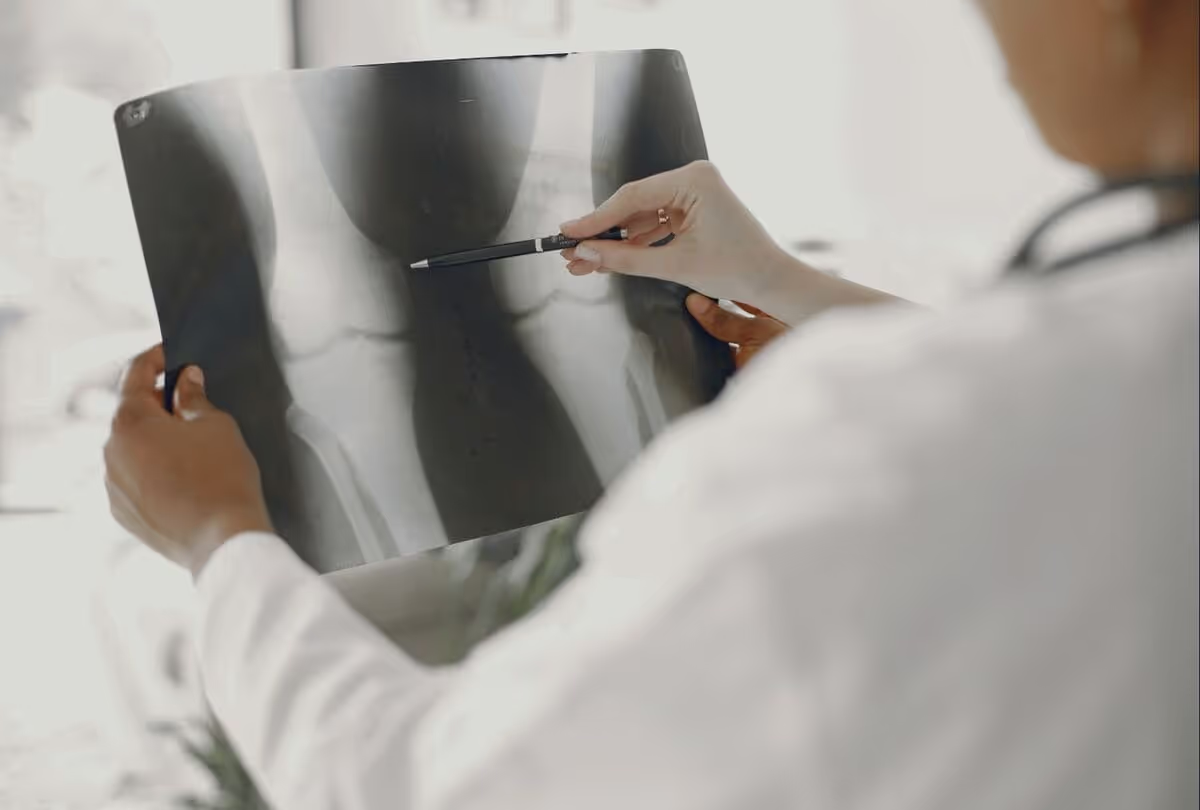
Pedestrian injuries tend to be severe because the human body absorbs the full force of impact with no structural protection. Fractures, spinal cord injuries, traumatic brain injuries, internal organ damage, and severe road rash are among the most common outcomes. The compensation available should reflect the full scope of physical harm, financial loss, and psychological trauma, not just the immediate emergency room bill.
Why Legal Representation Matters in Pedestrian Cases
Insurance companies routinely undervalue pedestrian accident claims in initial settlement offers, banking on the fact that many injured people do not know what their claim is actually worth. If you were struck by a vehicle in Los Angeles, speaking with a personal injury lawyer who handles pedestrian cases gives you a clear picture of what your claim is worth based on similar case outcomes, what evidence needs to be preserved before it disappears, and how to counter the comparative fault arguments that insurers will raise to minimize their payout.
An attorney can subpoena surveillance footage before it is overwritten, obtain the driver's cell phone records if distraction is suspected, hire accident reconstruction experts to establish speed and trajectory, and build a claim that captures the full value of your injuries rather than accepting the first lowball offer an insurance adjuster presents.

Michael Avanesian, the founder and driving force behind Avian Law Group, is a passionate and dedicated attorney with a strong background in personal injury law. As a partner at JT Legal Group, Michael led the growth of the personal injury practice from a single employee to a team of over ninety professionals, securing over $2 billion in settlements for clients in just three years.











.jpeg)

.jpeg)