
Evidence is the foundation of every successful car accident claim. The strength of your case is determined not by what happened but by what you can prove happened using admissible evidence that a court or insurance adjuster will accept. California courts and insurance companies evaluate liability and damages based on the documentary record, physical evidence, expert testimony, and witness accounts, not on unsupported assertions or your personal recollection alone. Understanding what evidence matters most and how to preserve it immediately after a collision is the most important practical step you can take to protect your legal rights and maximize your recovery.
The Police Report
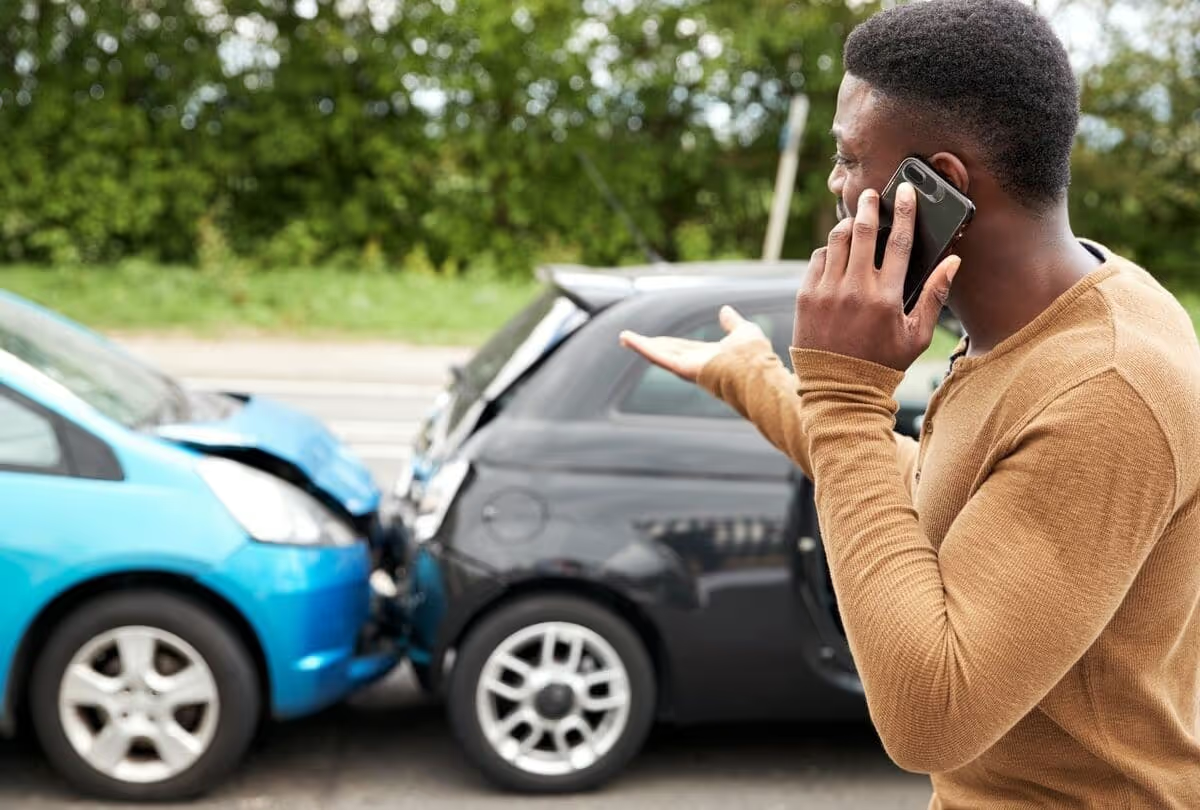
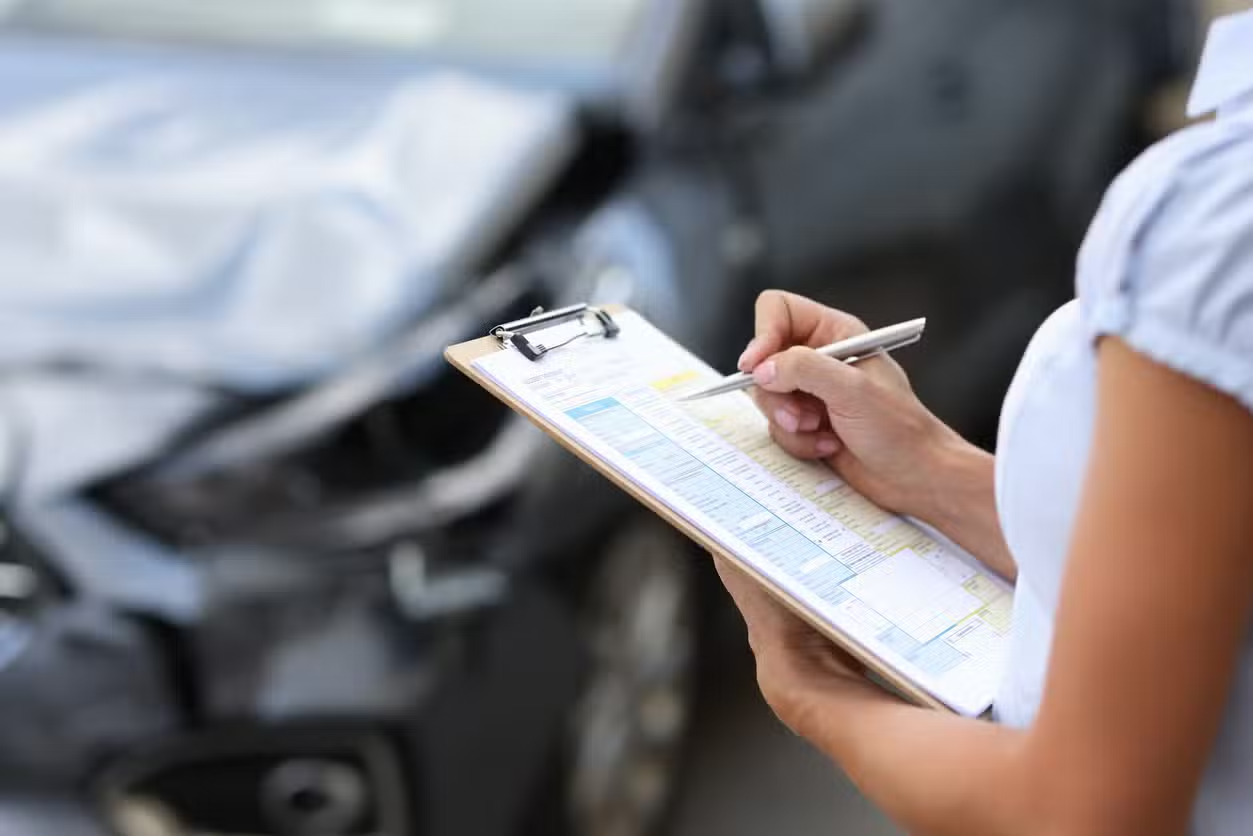
A police report is the first piece of formal documentation in most car accident cases. It serves multiple critical functions:
- Creates an official record that the accident occurred, where it occurred, and who was involved
- Documents the responding officer's observations about vehicle damage, road conditions, weather, and the apparent sequence of events
- Records statements from both drivers, passengers, and any witnesses who remained at the scene
- Includes witness contact information for people who stopped at the scene and provided statements
- Often contains a preliminary assessment of fault based on the officer's investigation, physical evidence, and applicable traffic laws
The police report is not legally conclusive on the question of fault, meaning it cannot be used as direct evidence of liability in a California court trial. However, it carries significant weight with insurance adjusters during settlement negotiations and provides a baseline factual record that is difficult for the other party to contradict later without presenting compelling evidence of their own. Request a copy of the report as soon as it is available, typically within 5 to 10 business days of the accident depending on the jurisdiction.
Review the report carefully for factual errors. Incorrect information about the direction of travel, the position of vehicles at impact, or what the drivers said to the officer can be challenged with supporting evidence like photographs or witness statements, but doing so is more difficult than getting the facts right in the first place. If you notice errors, document them immediately and provide the correcting information to your attorney.
Physical and Photographic Evidence
Photographs taken at the scene are among the most valuable pieces of evidence in a car accident case because they capture conditions that change quickly:
- Skid marks that fade within days due to weather and traffic passing over them
- Debris fields that get cleared by road crews or passing drivers who move items out of traffic lanes
- Vehicle damage that gets repaired before an insurance adjuster can inspect it in person
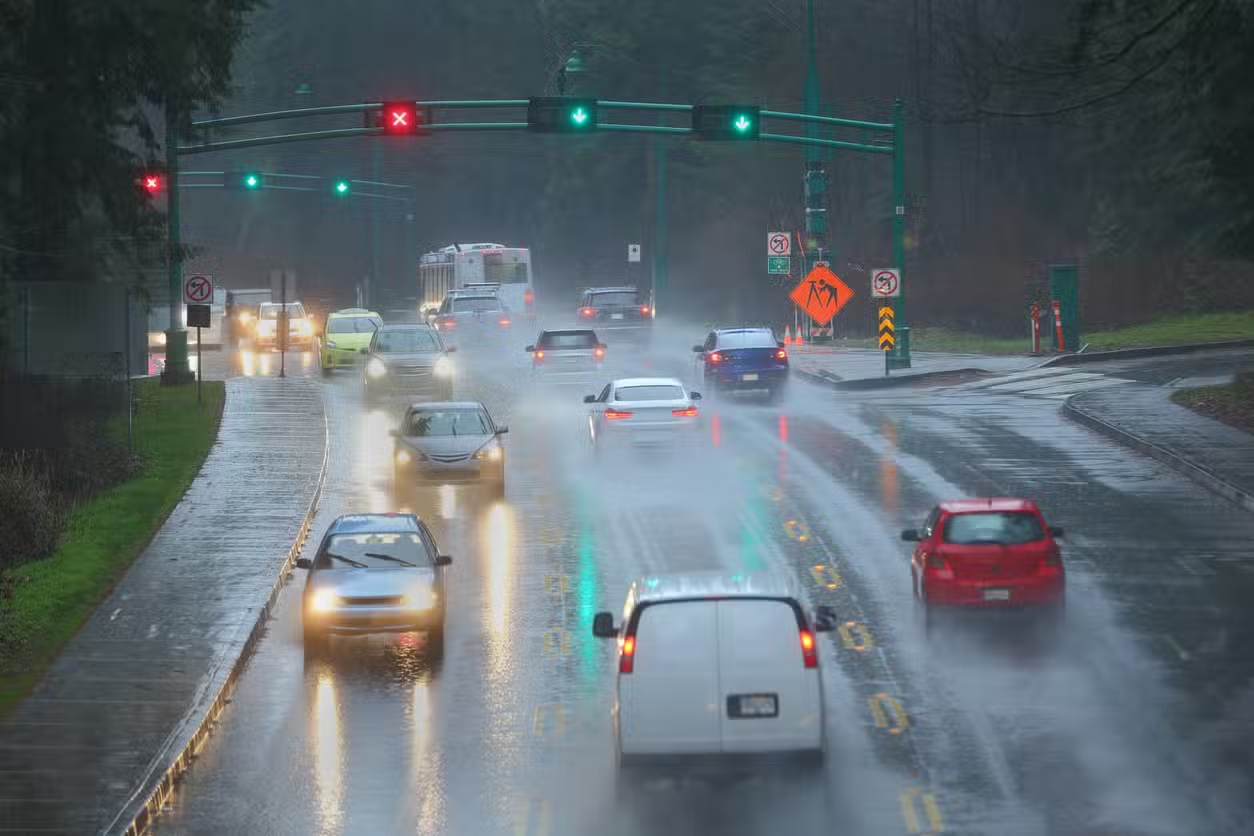
- Weather conditions, lighting, and visibility that change by the hour
- Traffic control devices and road markings that establish right of way and applicable traffic laws
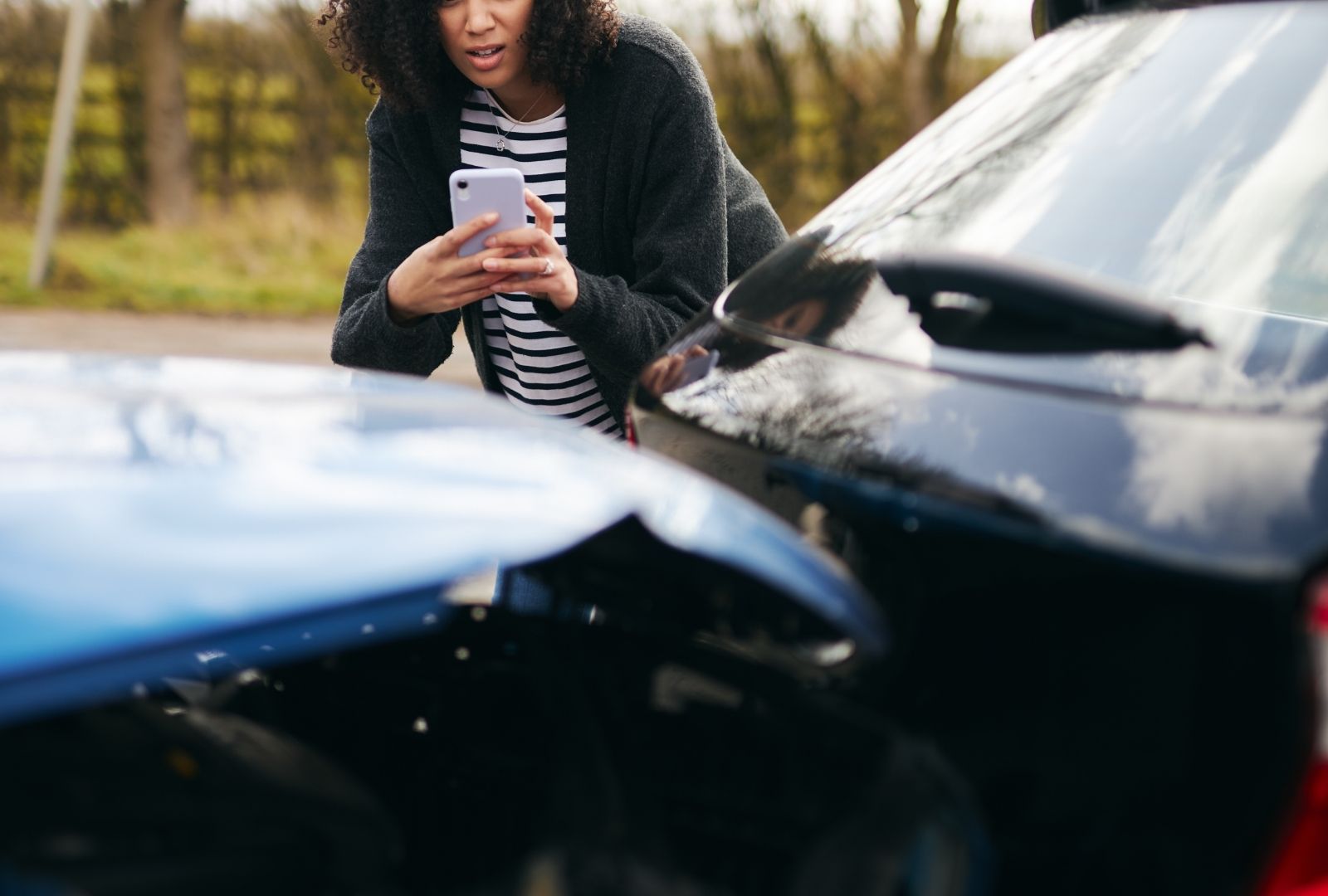
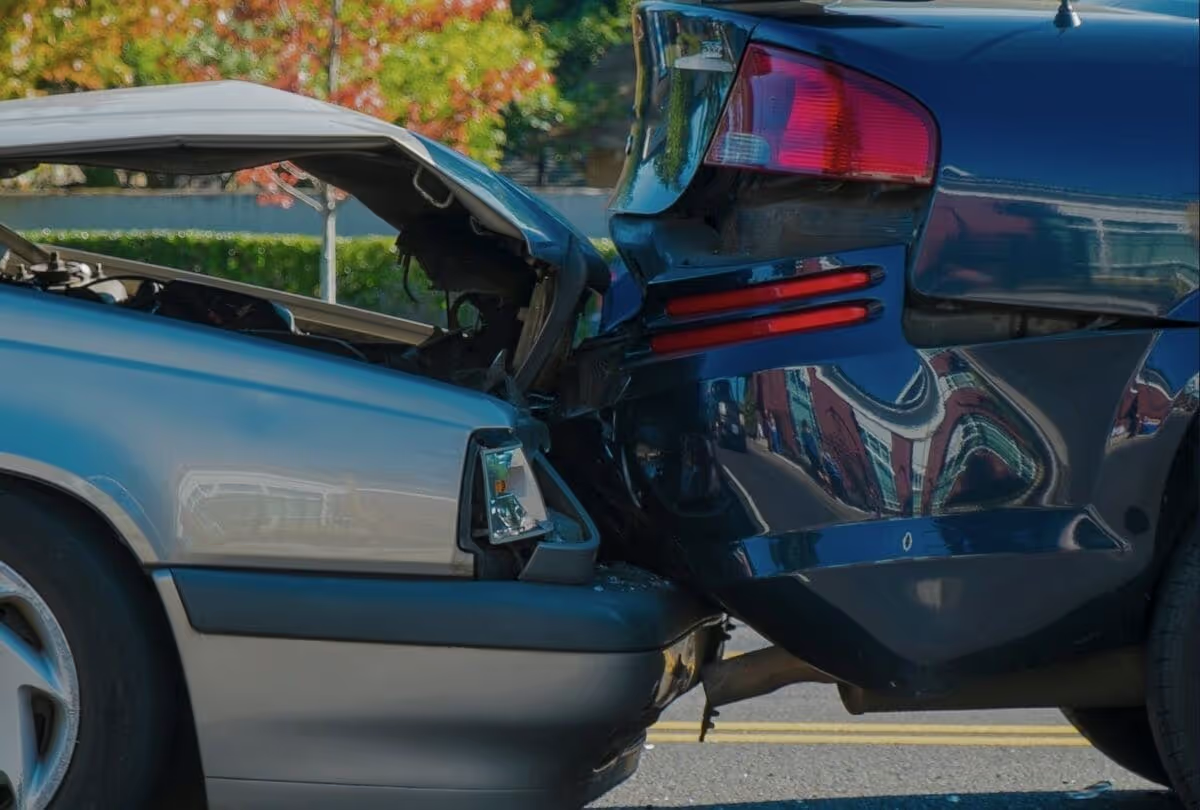
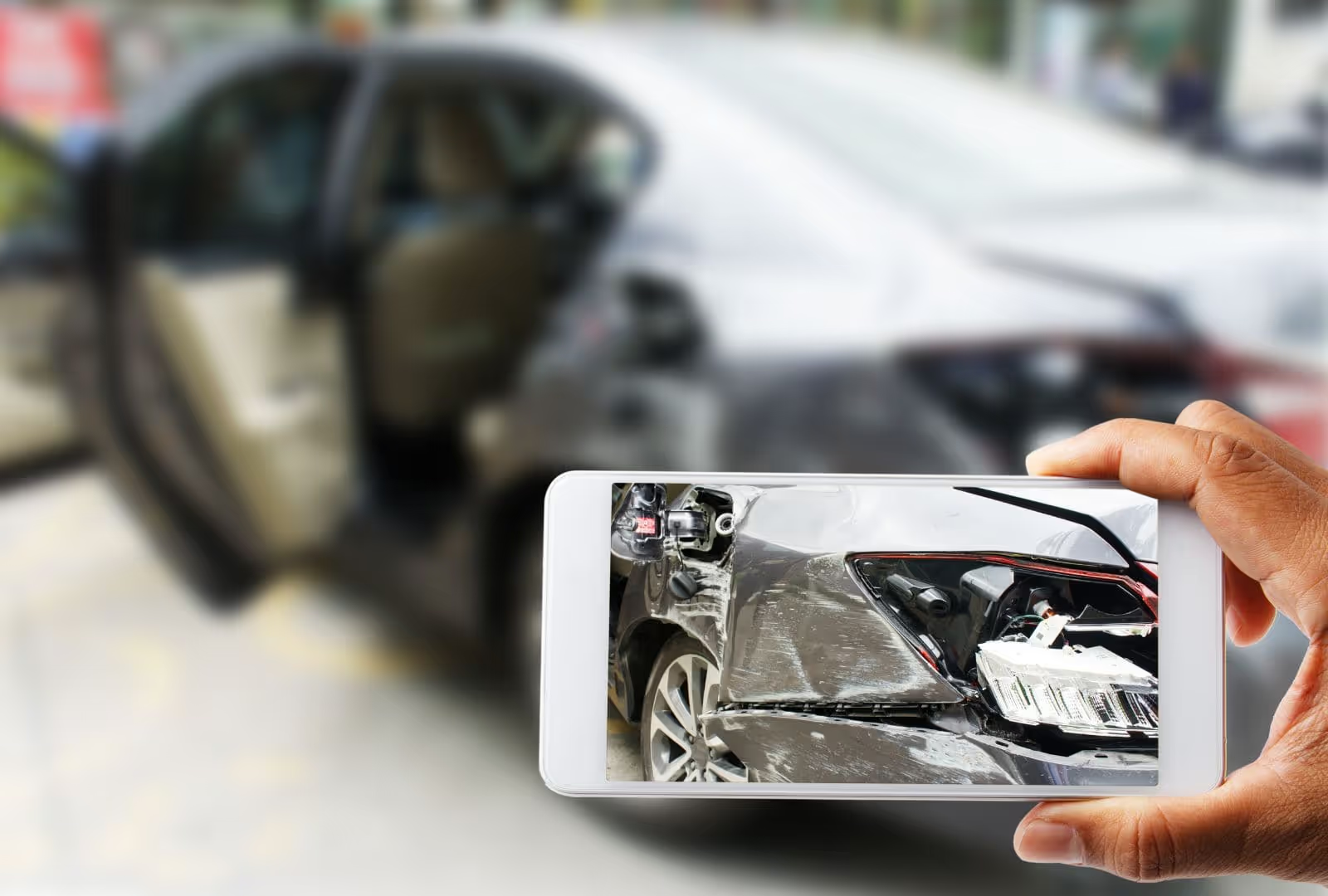
Photograph both vehicles from multiple angles showing all damage. Wide shots establish the overall scene context while close-ups capture specific damage points. Photograph the overall scene including road markings, traffic signals, signage, and the positions of the vehicles. Photograph any visible injuries you sustained. Photograph anything that might be relevant to how the collision occurred, even if you are not certain it matters at the time. Too much photographic evidence is never a problem in litigation. Too little is frequently the reason a claim fails.
Vehicle damage patterns can be analyzed by accident reconstruction experts to determine speed at impact, angle of impact, point of first contact, and the likely sequence of events leading to the collision. Physical evidence from the vehicles themselves, including airbag deployment data, seatbelt pretensioner activation, and the complete data record from the event data recorder, is subject to preservation demands and should be secured before the vehicles are repaired or declared a total loss by insurance.
Witness Evidence
Independent witnesses with no connection to either driver are among the most persuasive forms of evidence in a disputed liability case. A neutral witness who can describe what they saw carries credibility that the involved parties cannot match because they have no financial or personal interest in the outcome. Our article on how a witness statement can strengthen your car accident case explains how to identify potential witnesses at the scene, how to approach them appropriately without appearing to be soliciting false testimony, how to preserve their contact information before they leave, and how witness testimony is used during settlement negotiations and at trial if the case does not settle.
Get witness names, phone numbers, and email addresses at the scene if possible. If witnesses have already left, the police report may include their contact information if they spoke with the responding officer. Time is critical because witnesses become harder to locate as days pass, and their memories of the specific details fade even if they remain willing to provide a statement weeks or months later.
Medical Records and Expert Testimony
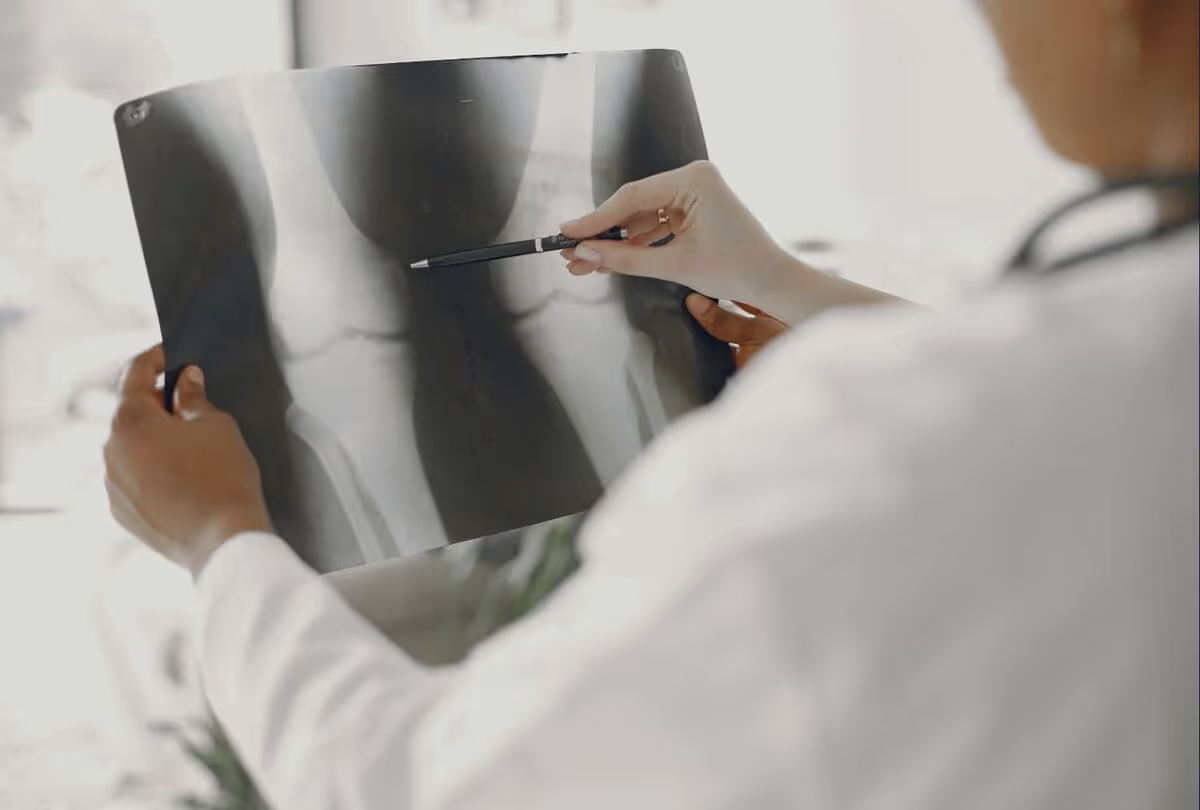
Medical records establish the causal connection between the collision and your injuries. Every emergency room visit, diagnostic test, imaging result, specialist consultation, physical therapy session, and follow-up appointment is part of building that connection. Gaps in treatment are exploited by defense attorneys and insurance adjusters to argue that the injury was not serious or was not caused by the accident. Consistent, documented medical care from the date of the accident through the resolution of your symptoms is critical to proving the extent of your damages.
In cases involving serious injuries, permanent disability, or disputed causation, expert medical testimony may be necessary. Orthopedic surgeons, neurologists, pain management specialists, and other physicians can testify about the nature of your injuries, the prognosis for recovery, the need for future treatment, and whether the injuries are consistent with the type of collision you experienced based on the vehicle damage and collision dynamics.
Economic experts calculate future medical costs based on the specific treatment needs identified by your treating physicians and life care planners. They project lost earning capacity by analyzing what you could have earned in your chosen career versus what you can realistically earn given your post-injury limitations. Accident reconstruction specialists establish how the collision occurred when the physical evidence alone is ambiguous or when the other driver disputes fault.
Digital and Surveillance Evidence
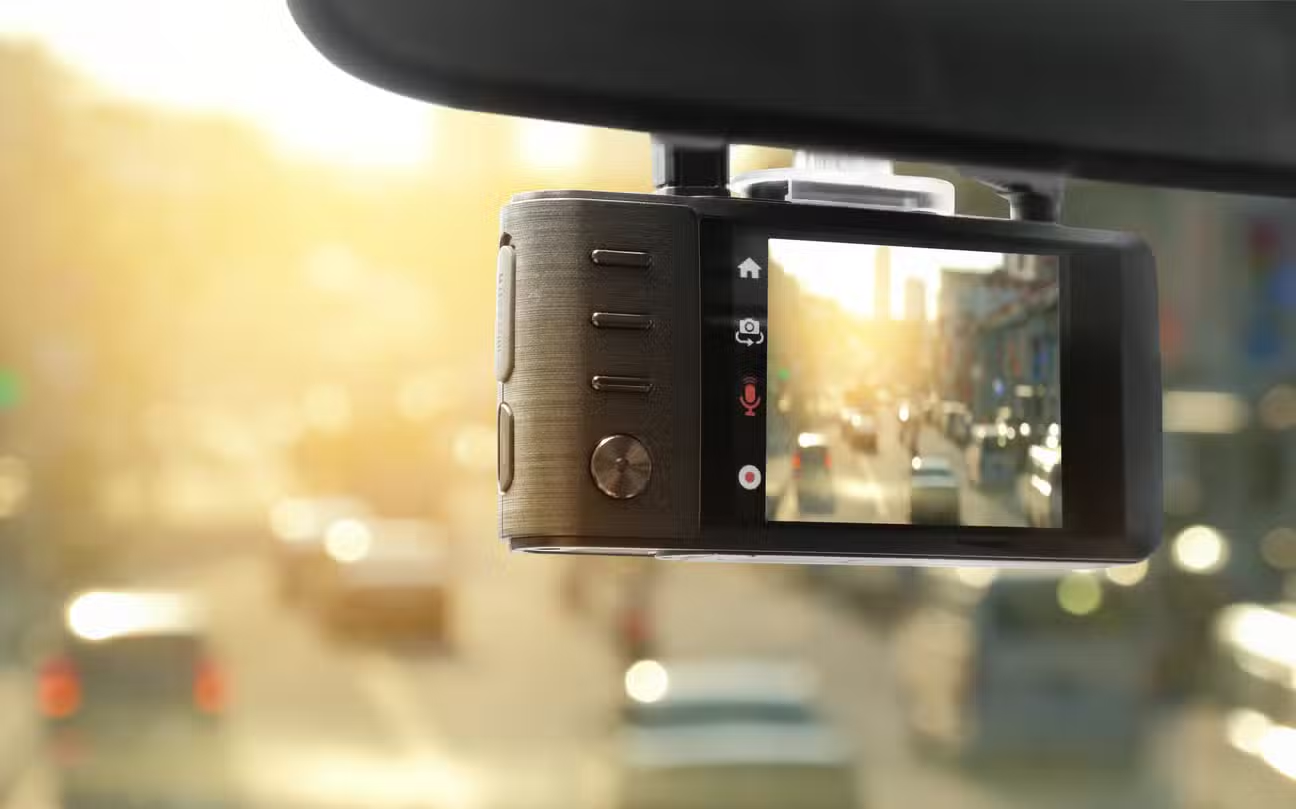
Dashcam footage from your vehicle or the other driver's vehicle, traffic camera recordings maintained by the city or state transportation department, and surveillance cameras from nearby businesses are frequently decisive in cases where liability is contested. This evidence has a short retention window. Most businesses overwrite their surveillance footage every 30 to 90 days unless they receive a preservation demand. Our full guide to proving negligence after a car accident in California outlines the specific steps for requesting and preserving each type of digital evidence before it is automatically deleted by routine data management policies.
Cell phone records can establish whether either driver was using their phone at the time of the collision. Text message timestamps, call logs, and data transmission records obtained through subpoena can prove distracted driving even when the driver denies it. Event data recorders in modern vehicles capture speed, braking, steering input, and throttle position in the seconds before a collision. This data can corroborate or contradict driver statements about what happened.
If you were injured in a California car accident, a car accident attorney can issue the right preservation demands to prevent evidence destruction, obtain records through subpoena when the other party or third parties will not cooperate voluntarily, retain the right experts for your specific type of case, and build the complete evidentiary picture your claim requires to achieve maximum value rather than settling for the first offer the insurance company makes in hopes that you will accept it without understanding what your case is actually worth.

Michael Avanesian, the founder and driving force behind Avian Law Group, is a passionate and dedicated attorney with a strong background in personal injury law. As a partner at JT Legal Group, Michael led the growth of the personal injury practice from a single employee to a team of over ninety professionals, securing over $2 billion in settlements for clients in just three years.











.jpeg)

.jpeg)