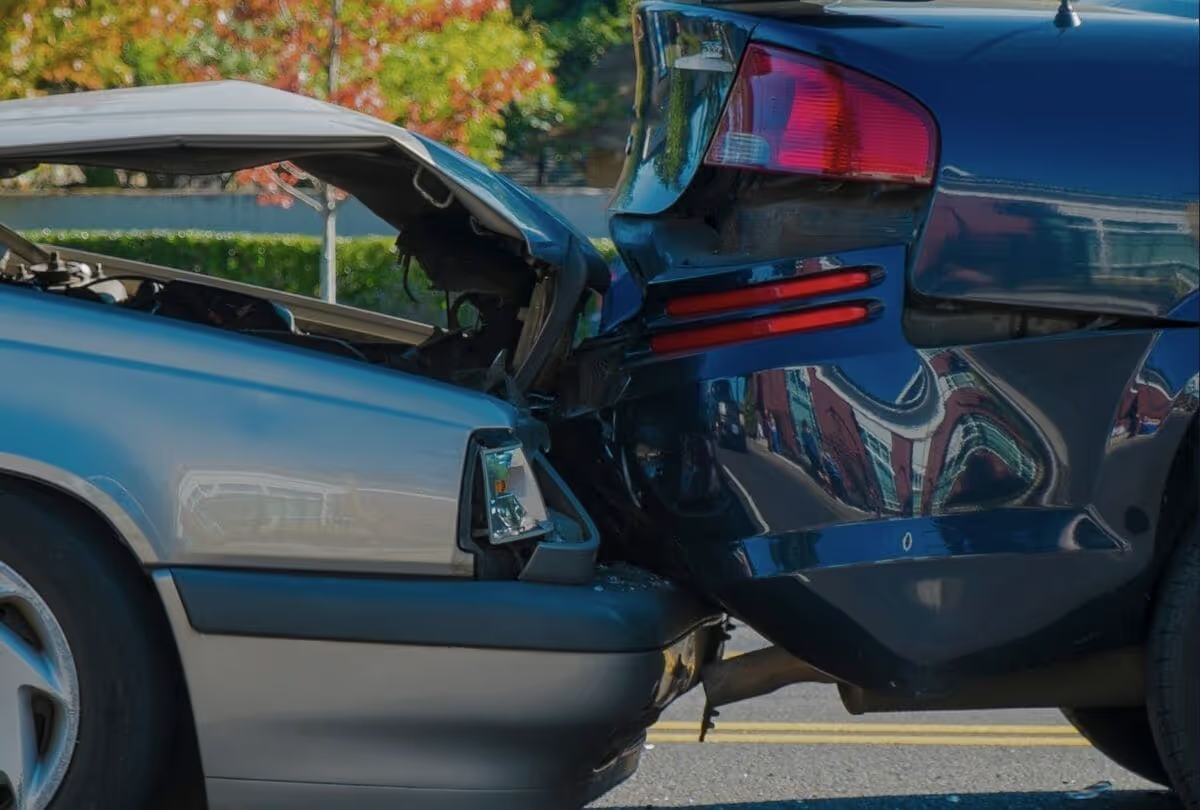

Speaking to an insurance adjuster after a car accident requires caution. What you say can influence the outcome of your claim, and even minor misstatements may be used to reduce your compensation. Understanding how to approach this conversation ensures that your rights and recovery remain protected.
Stick to Basic Facts Only
When speaking to the adjuster, provide the essential facts:
- The date, time, and location of the accident
- The vehicles involved
- Contact and insurance details for all parties
Avoid discussing how or why the accident occurred. You are not required to offer interpretations or opinions. Simply confirm that the accident took place and that you are currently receiving medical attention if applicable.

Never Admit Fault
Do not apologize or say anything that could be interpreted as admitting fault. Statements like “I didn’t see them coming” or “I was probably going too fast” can severely damage your claim. Even if you believe you may share some responsibility, the investigation may reveal otherwise. Let the evidence determine fault.

Decline to Give a Recorded Statement
Insurance adjusters often ask for a recorded statement early in the claims process. You are not legally required to provide one. Politely decline until you have had a chance to consult with a car accident attorney. Adjusters are trained to ask leading questions that may later be used to discredit or minimize your claim.
Do Not Downplay Injuries
You may feel tempted to say, “I’m fine” or “It’s just a sore neck,” especially in the early days after a crash. Avoid making any statements about your health before receiving a full medical evaluation. Injuries such as concussions or whiplash often take days to manifest. Say that you are seeking medical care and will provide updates later.
Keep the Focus on the Property Damage and Medical Process
You can confirm that your car is being evaluated and that you’re following up with a doctor. Do not speculate on the cost of repairs or the severity of your injuries. Adjusters may try to get you to commit to a low estimate early, locking you into an undervalued claim.
Politely Refuse to Discuss Other Accidents or Injuries
The adjuster might ask if you’ve ever had a previous injury or accident. This question is designed to suggest your current condition may not be related to the crash. Politely state that you’ll provide your medical history if required but that you’re currently focused on this incident only.
Never Accept an Early Settlement
Insurance companies often offer low initial settlements in hopes that claimants will accept before realizing the full extent of their damages. You should never agree to a settlement without consulting a legal professional. Once you accept, you typically forfeit the right to pursue additional compensation—even if new injuries or expenses arise.
Understand the Adjuster's Role
The adjuster is not your advocate. Their job is to save the insurance company money. They may seem friendly, but they are trained to identify weaknesses in your claim. Always approach these conversations with professionalism, but maintain firm boundaries.

Keep Detailed Notes After Every Call
Document the following after each interaction:
- Name and title of the adjuster
- Date and time of the call
- Summary of what was discussed
- Any promises made or documents requested
These notes will help in case of disputes and provide a timeline if you later seek legal assistance.
When Should You Involve a Lawyer?
You should contact a car accident attorney if:
- Your injuries are serious
- The adjuster is pressuring you for a statement or settlement
- Liability is unclear or disputed
- The insurance company delays communication or payment
Attorneys communicate directly with the adjuster on your behalf and prevent missteps that could reduce your compensation.
For additional reading and step-by-step guidance, visit the Avian Law Group’s legal resources page, which outlines what to expect after an accident and how to protect your legal rights.
Quick Tips for Conversations with Adjusters
- Keep your answers short and factual
- Avoid emotional language
- Say “I’m receiving treatment” instead of downplaying symptoms
- Do not offer your opinion on fault or injuries
- Refuse politely if asked to record the conversation
- Ask for all follow-ups or requests to be sent in writing
Frequently Asked Questions
Can the adjuster deny my claim based on what I say?
Yes. Any statements that suggest fault or minimize injury can be used to deny or undervalue your claim. That’s why it’s critical to stick to confirmed facts only and avoid speculating.
What if I already gave a recorded statement?
You should consult with a lawyer immediately. While the statement cannot be undone, an attorney may be able to provide context or limit its impact during negotiations.
Is it okay to speak with the adjuster at all?
Yes, but only with caution. You are expected to cooperate with your own insurer to a degree. If it’s the other party’s insurer calling, you are under no obligation to speak with them directly. In either case, legal guidance is the safest route.
Final Thought
Conversations with an insurance adjuster are part of nearly every post-accident experience. However, treating these calls casually can harm your claim. By understanding your rights and sticking to the script, you can avoid costly mistakes and preserve your chance at full compensation.

Michael Avanesian, the founder and driving force behind Avian Law Group, is a passionate and dedicated attorney with a strong background in personal injury law. As a partner at JT Legal Group, Michael led the growth of the personal injury practice from a single employee to a team of over ninety professionals, securing over $2 billion in settlements for clients in just three years.











.jpeg)

.jpeg)