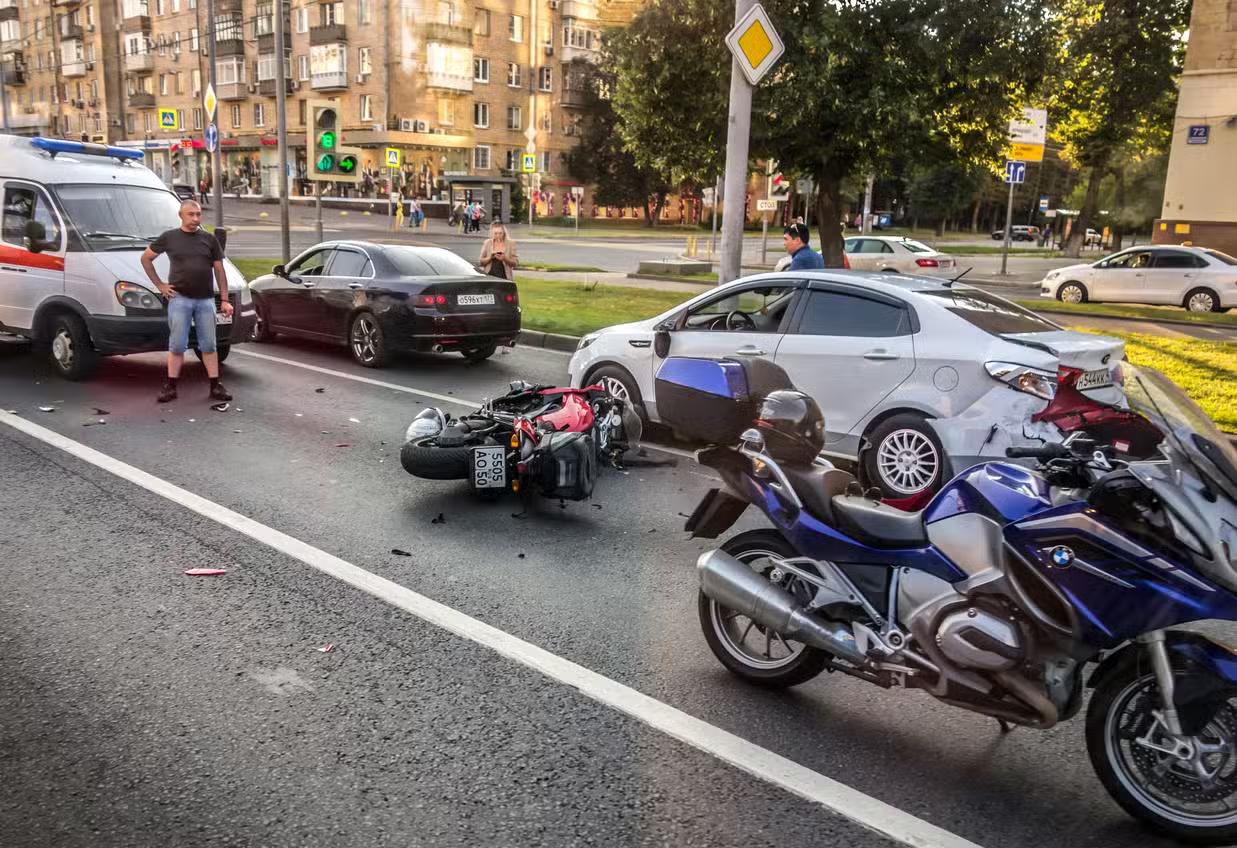

When a scooter or bikeshare rider damages your car, liability depends on fault, local traffic laws, and the type of scooter involved. Because many scooters are part of app-based fleets and riders often lack traditional insurance, these accidents create unique challenges compared to standard vehicle collisions. Understanding which insurance applies and how to document the damage helps you recover repair costs without unnecessary delays.
Why Are Scooter and Bikeshare Collisions With Cars So Complicated?
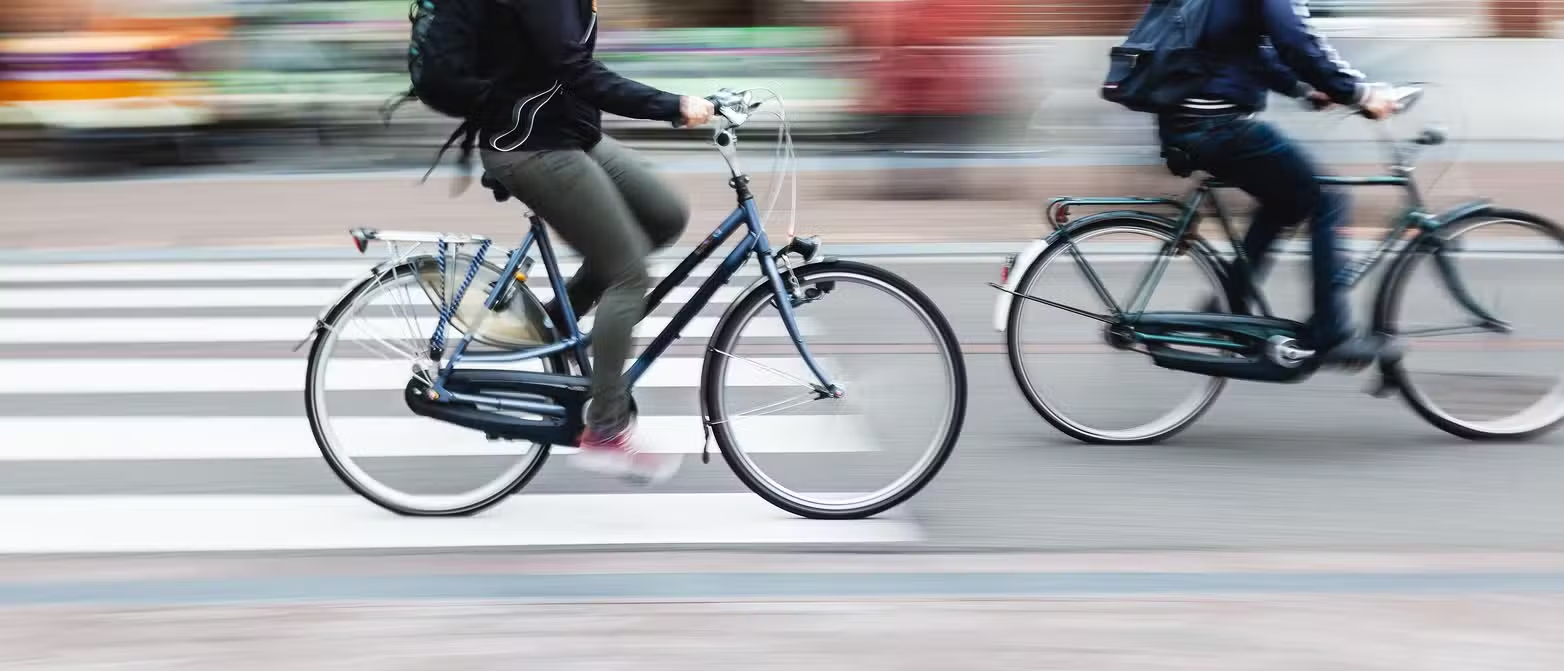
To understand the complexity, recognize that scooters occupy a gray area between pedestrian and vehicle traffic. Riders often share bike lanes, interact with cars, and sometimes move unpredictably. Many riders also lack insurance, and rental companies typically limit their liability. These factors create disputes about who pays for repairs, medical bills, and related expenses.
Who Is Typically at Fault When a Scooter Rider Hits a Car?
To determine fault accurately, assess the rider’s actions and the surrounding conditions. Scooters must follow the same traffic laws as bicycles, including lane rules, signaling, and right-of-way requirements. When riders violate these laws, they can be held responsible for the damage they cause.
Common rider behaviors that lead to fault include:
- Riding against traffic
- Ignoring red lights or stop signs
- Entering the street from a sidewalk unexpectedly
- Losing control due to excessive speed
- Making sudden lane changes without signaling
If the rider’s actions clearly violate traffic laws, they may be responsible for all repair costs.
What If the Driver Is Partially at Fault?
To evaluate shared fault, consider that both parties may contribute to the collision. If a car driver was speeding, distracted, or failed to yield, comparative negligence rules may apply. These rules allow responsibility to be divided according to each party’s actions.
Linking your claim to comparative negligence analysis helps determine whether shared fault affects compensation.
Does the Scooter Rider’s Insurance Cover Car Damage?
To understand coverage, look at the rider’s personal insurance first. Many riders do not carry specific scooter coverage, but some homeowners, renters, or umbrella policies may apply. Personal liability coverage can help pay for property damage depending on the policy language.
If the rider borrowed the scooter through a bikeshare or rental app, their personal insurance is usually still the primary source of coverage—unless the company provides supplemental insurance.

Do Bikeshare or Scooter Rental Companies Provide Insurance?
To determine whether the rental company is liable, analyze the app’s insurance policy. Some scooter companies offer liability coverage when the rider is actively using the device; others provide none. Even when limited coverage exists, it may apply only if the rider followed company rules, wore a helmet, or rode in designated areas.
Because these policies vary widely, victims should review terms carefully and request documentation from the rental company.
Does Auto Insurance Cover These Accidents?
To confirm coverage, review your own auto insurance policy. Standard auto insurance usually does not pay for damage caused by scooter riders unless you have collision coverage. Collision coverage pays for repairs regardless of fault, but the insurer may pursue reimbursement from the rider or rental company.
If you make a claim under your collision coverage, you may need to pay a deductible initially.
What If the Scooter Rider Has No Insurance?
To handle uninsured riders, document the accident thoroughly and report it to your insurer. If you carry collision coverage, it may pay for repairs. If the rider’s negligence played a major role, your insurer can pursue them directly.
When uninsured riders cause significant damage, claims may also involve property damage considerations under the rider’s personal assets or alternative coverage.
How Should You Document the Accident?
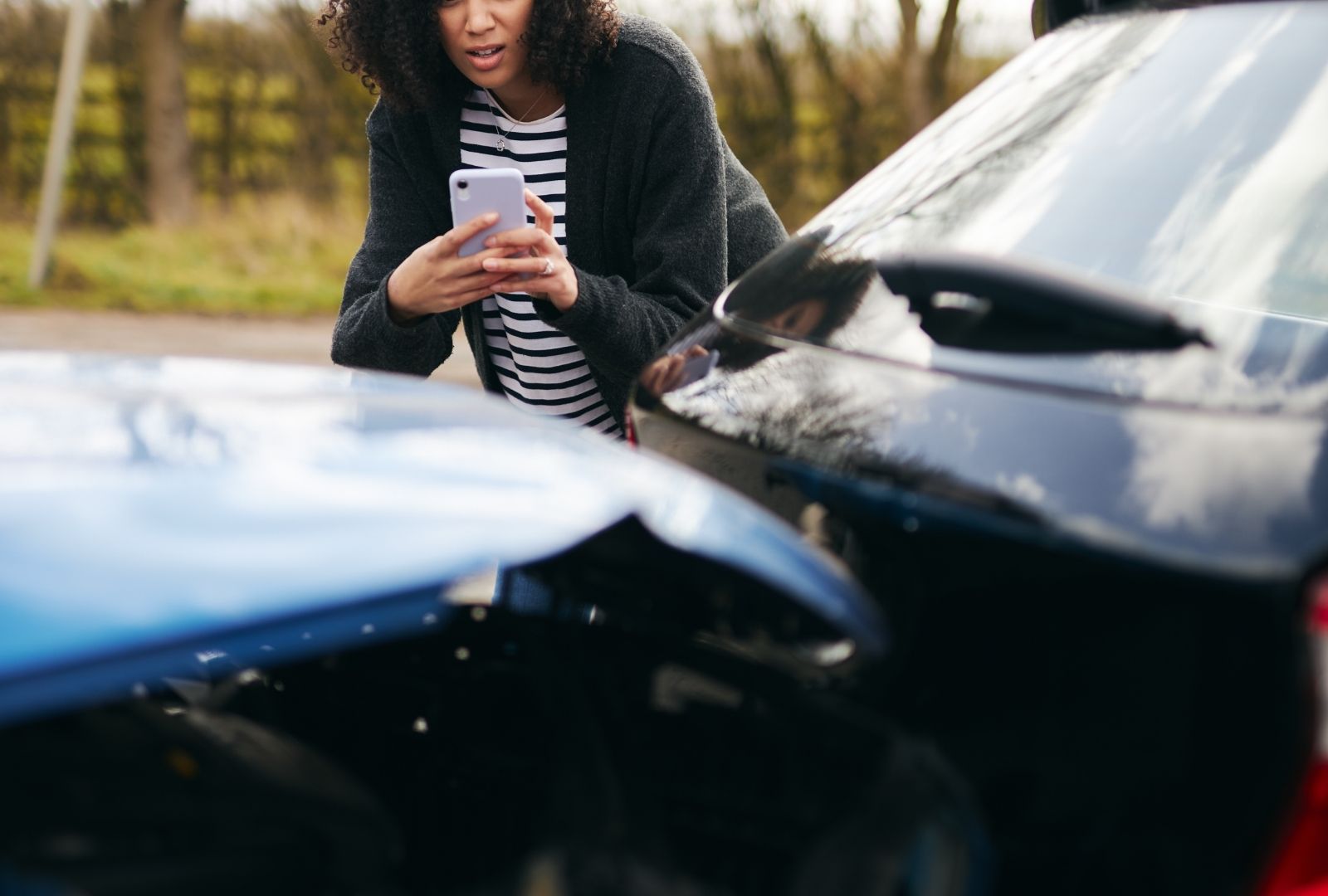
To protect your claim, gather evidence immediately. Clear documentation helps resolve disputes about fault and coverage.
Collect the following:
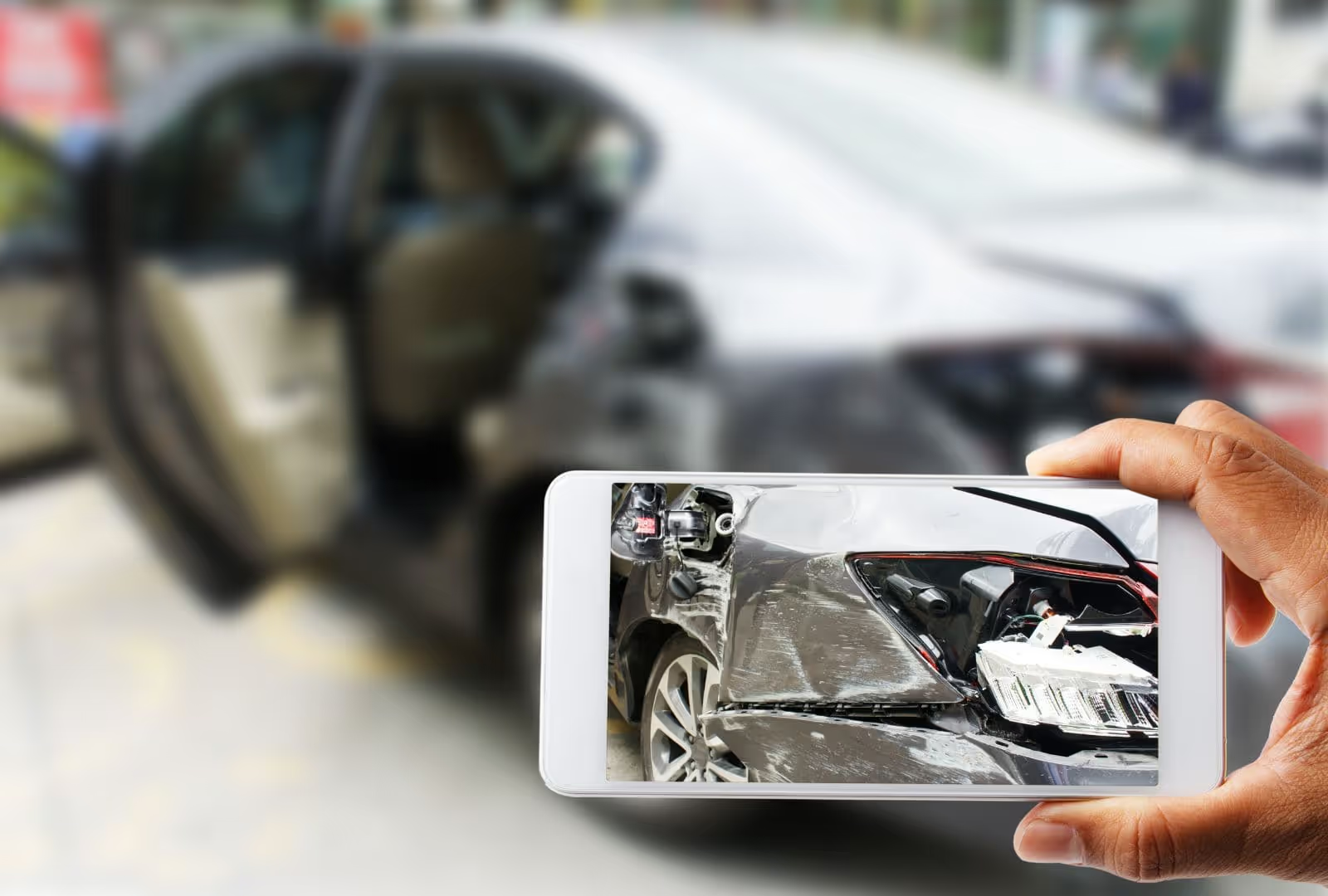
- Photos of vehicle damage, road conditions, and the scooter
- The scooter’s ID or serial number
- Rider’s name and contact information
- Rental app screenshots if the scooter was part of a fleet
- Witness statements
- Police report number
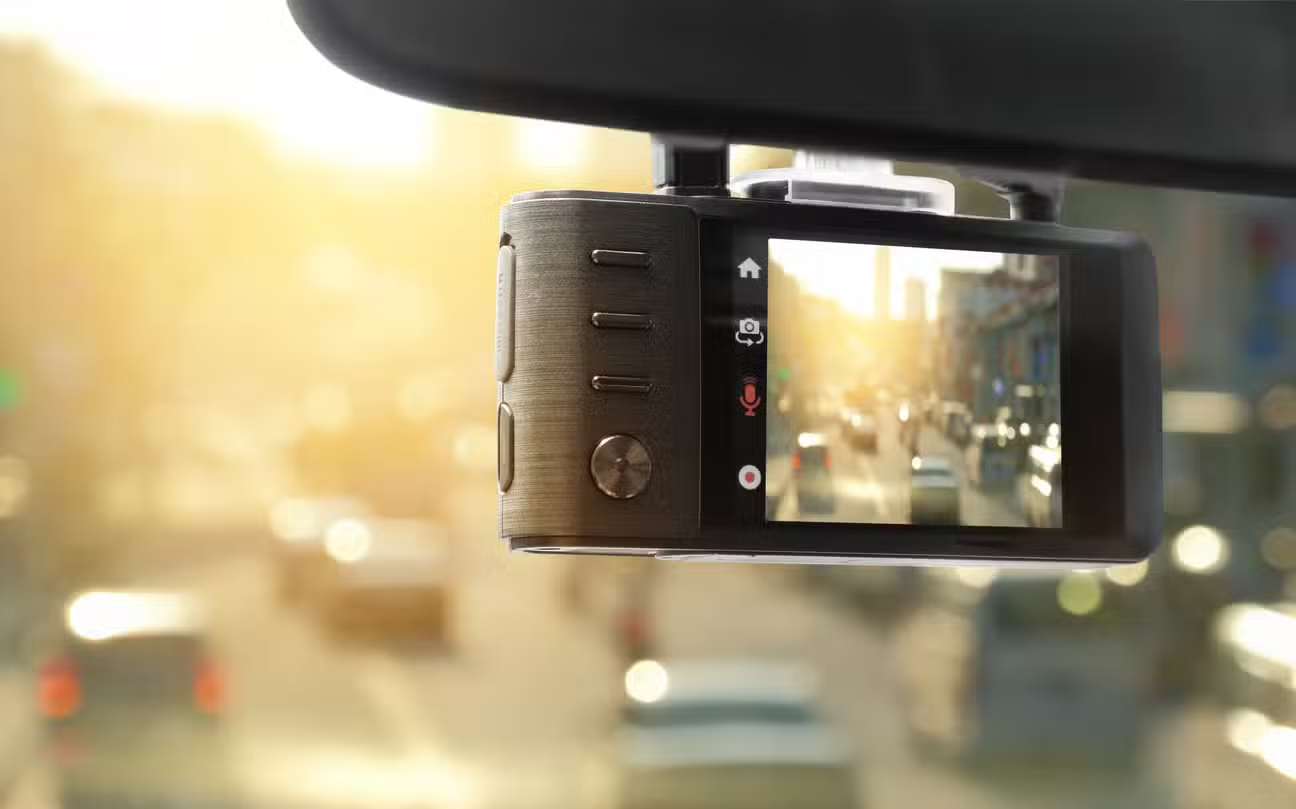
- Dashcam footage if available
Thorough evidence supports your claim during insurance claims review.
Should You Call the Police After the Collision?
To create an objective record, always call the police. A police report clarifies fault, documents statements, and records property damage. Insurers rely heavily on these reports when evaluating responsibility.
Can You File a Claim Directly With the Rental Company?
To evaluate this option, check whether the scooter company offers liability coverage. Most rental apps require riders to accept responsibility for their actions. However, if the accident occurred due to a mechanical defect, poor maintenance, or battery failure, the company may be liable.
Examples of company negligence include:
- Brake malfunctions
- Loose handlebars
- Software issues
- Wheel or frame defects
In these cases, the rental company may need to pay for repairs or injuries.
How Does Legal Representation Help?
To maximize recovery, attorneys evaluate fault, identify all insurance policies, and pursue compensation from riders, rental companies, or third parties. Lawyers familiar with e-bike and scooter accidents and property-damage disputes help coordinate communication between insurers and prevent undervaluation.
Final Takeaway
When a scooter or bikeshare rider damages your car, compensation depends on fault, applicable insurance, and the type of scooter involved. Personal insurance, rental company policies, and your own auto coverage may all play roles in the claim. Clear documentation, police reports, and legal guidance from a knowledgeable car accident attorney ensure you recover repair costs and avoid unexpected disputes.

Michael Avanesian, the founder and driving force behind Avian Law Group, is a passionate and dedicated attorney with a strong background in personal injury law. As a partner at JT Legal Group, Michael led the growth of the personal injury practice from a single employee to a team of over ninety professionals, securing over $2 billion in settlements for clients in just three years.











.jpeg)

.jpeg)