
If you were rear ended in a car accident, promptly seeking medical care, accurately documenting the incident, reporting the collision, and carefully communicating with insurers is crucial. Knowing exactly what steps to take protects your rights, ensures proper medical treatment, and helps secure appropriate compensation for injuries and damages.
This article explains the essential steps to follow immediately after a rear-end collision and how to effectively manage your claim.
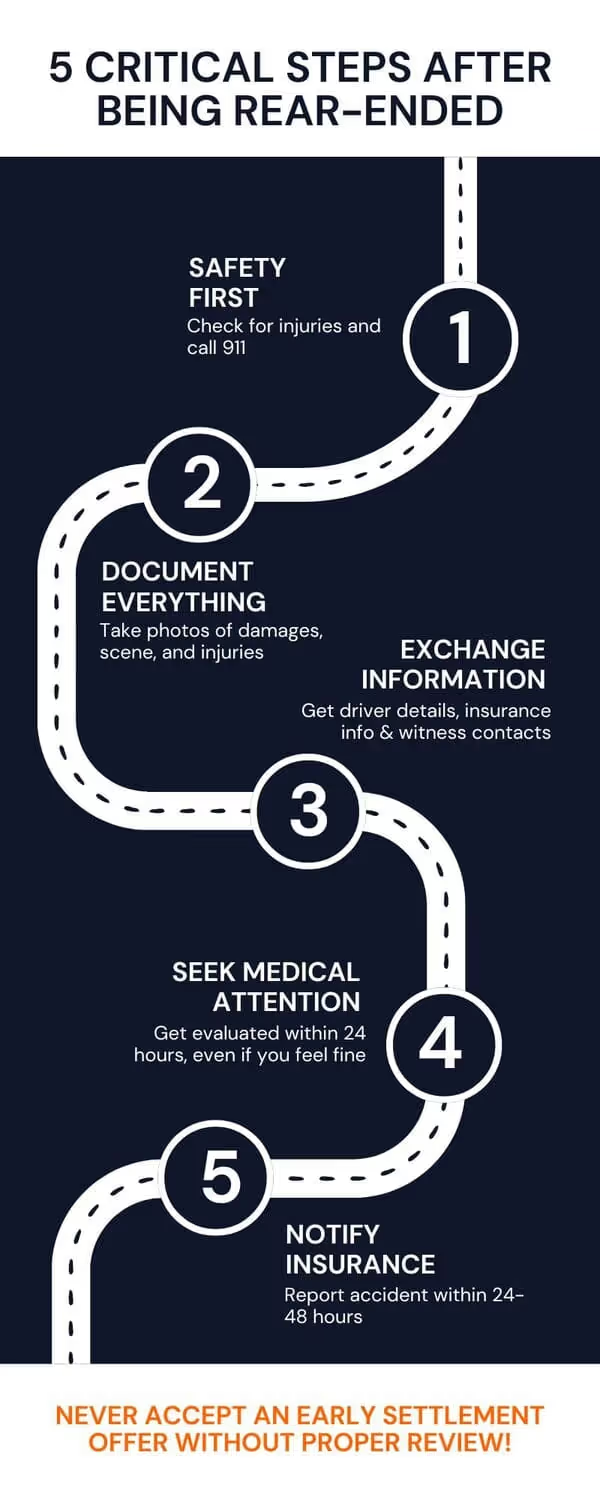
Step 1: Check for Injuries and Call Emergency Services
Immediately after being rear-ended, prioritize safety and medical attention:
- Check yourself and passengers for visible injuries.
- Call 911 immediately, even if injuries initially appear minor.
- Request emergency medical care if needed—adrenaline may mask initial pain or injuries.
Prompt medical response not only safeguards health but creates an essential medical record for your claim.
Step 2: Move to a Safe Location (if Possible)
If the vehicles involved can be safely moved without causing further harm, move to the roadside or another safe location:
- Turn on hazard lights to alert other drivers.
- Stay calm and avoid confrontations with the other driver.
- Do not leave the scene of the accident until authorities arrive.
Moving safely protects against further collisions or hazards.
Step 3: Document the Accident Scene Thoroughly
Comprehensive accident documentation strongly supports your claim:
- Take clear photos of vehicle damage from multiple angles.
- Document your injuries immediately and again over subsequent days.
- Capture images of the accident scene, including road conditions, traffic signals, and nearby landmarks.
This evidence clearly establishes facts related to your claim and the fault of the driver who rear-ended you.
Step 4: Exchange Information and Identify Witnesses
Gather accurate details from the other driver and witnesses:
- Obtain the other driver’s full name, contact information, insurance details, and vehicle license plate number.
- Collect names and contact information from witnesses who can provide objective accounts of the incident.
- Request responding officers’ names and the police report number for later reference.
Reliable witness statements significantly strengthen your claim.
Step 5: Seek Prompt Medical Evaluation and Treatment
Even if you initially feel fine, medical evaluation is essential after being rear-ended:
- Schedule a medical evaluation within 24 hours of the collision.
- Document all doctor visits, treatments, medications, and related medical expenses.
- Follow your doctor's treatment instructions carefully to prevent worsening of injuries and to create clear medical documentation.
Prompt treatment ensures your injuries are thoroughly documented and prevents insurers from disputing the validity or severity of your injuries.
Step 6: Report the Accident to Your Insurance Company
Report the rear-end accident to your insurer promptly—ideally within 24–48 hours:
- Provide clear, factual information about the collision.
- Do not speculate or accept blame—rear-end accidents are generally the fault of the rear driver, but insurers still require accurate details.
- Keep track of all communications with insurers, noting names, dates, and discussed details.
Timely and accurate reporting streamlines claim processing and minimizes disputes.
Step 7: Avoid Early Settlement Offers Without Careful Review
Insurance companies might offer rapid settlements, particularly in clear rear-end scenarios. However, early offers rarely cover full costs related to injuries or vehicle damage:
- Evaluate any settlement offers carefully.
- Factor in current and future medical expenses, lost wages, and potential pain or ongoing discomfort from your injuries.
- Consult a qualified attorney before accepting initial settlement offers.
Step 8: Consult a Car Accident Attorney for Complex Claims
Rear-end collisions often seem straightforward but can involve complex injuries or disputes over damages:
- If injuries are serious, involve ongoing treatment, or affect your ability to work, consult a car accident attorney.
- An attorney effectively handles complex negotiations and ensures proper compensation for your damages.
Professional legal representation dramatically enhances your chances of obtaining fair compensation.
Common Injuries from Rear-End Car Accidents
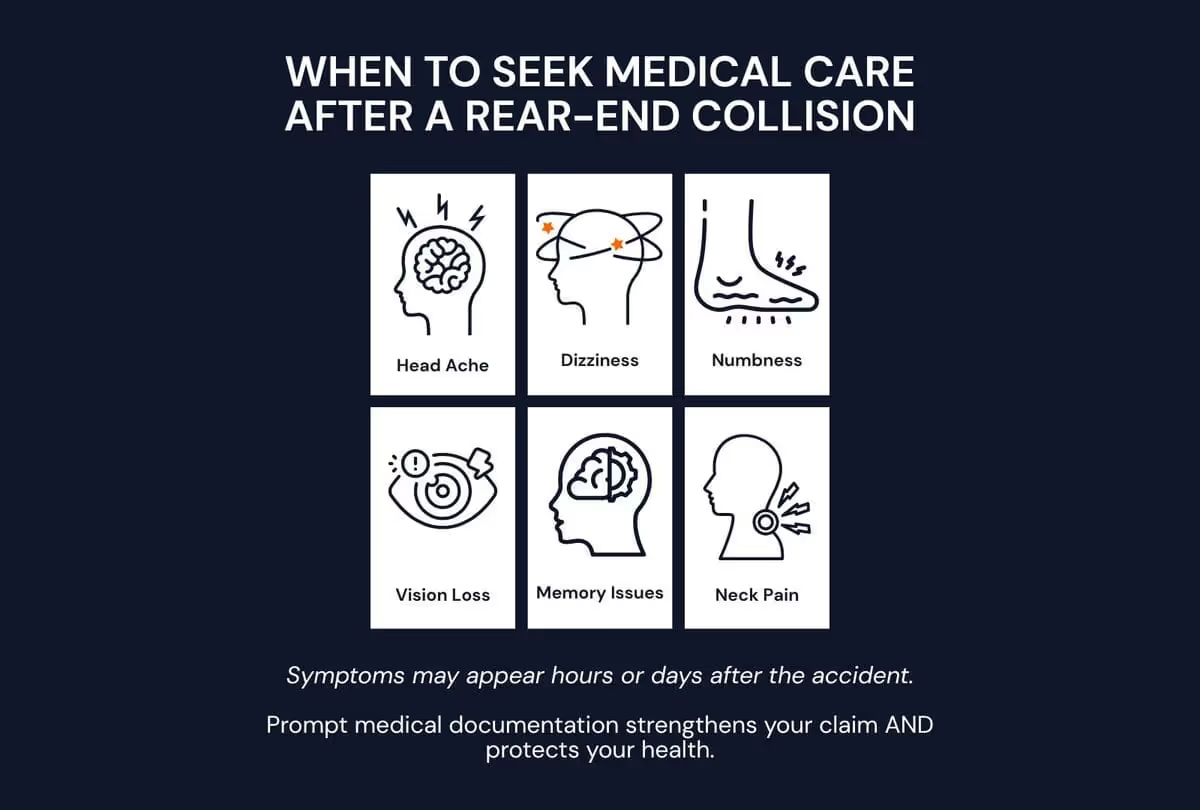
Rear-end collisions frequently cause specific types of injuries, including:
- Whiplash (neck and spinal injuries): Rapid back-and-forth motion commonly causes severe neck injuries.
- Soft Tissue Injuries: Sprains, strains, and tears to muscles, ligaments, and tendons.
- Head Injuries: Concussions or traumatic brain injuries from impact force.
- Back Injuries: Disc injuries, fractures, or chronic pain issues.
Identifying these injuries early and documenting treatment helps substantiate your claim.
Who Is Usually at Fault in Rear-End Collisions?
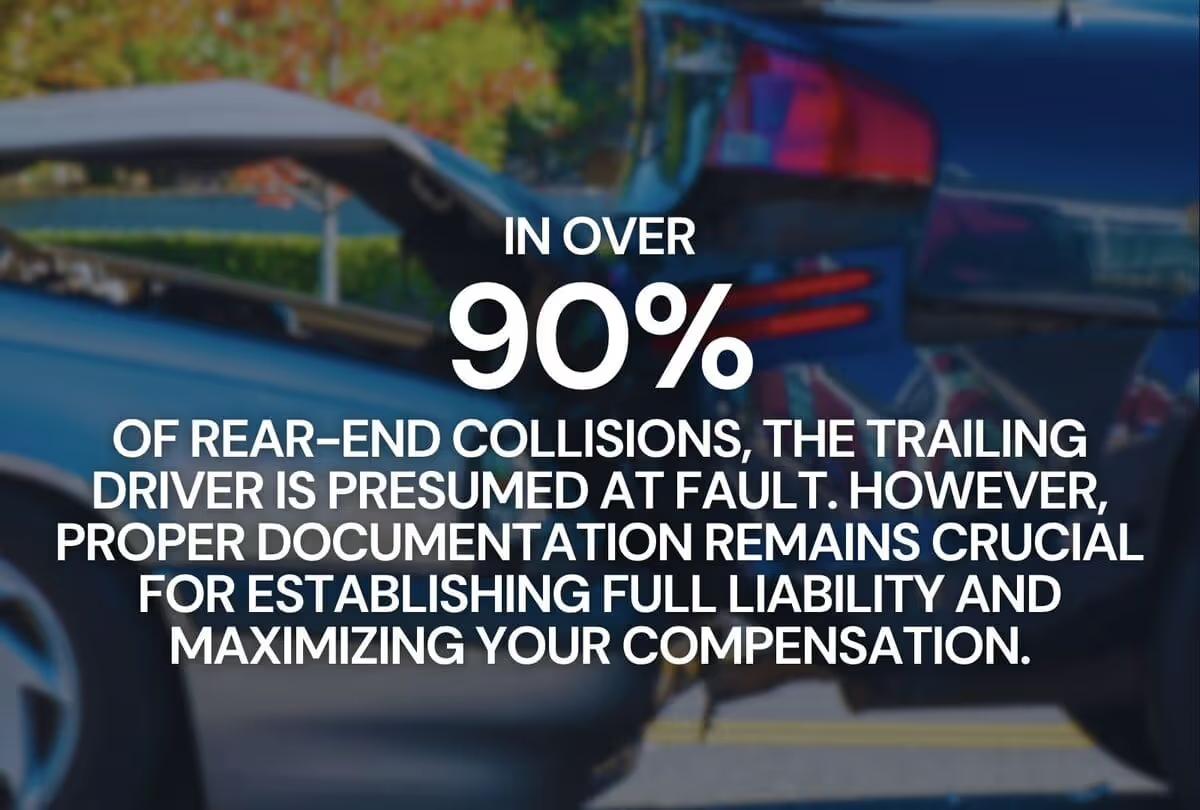
In most rear-end car accidents, the rear driver is generally presumed at fault. Common exceptions include:
- Brake lights malfunctioning or non-functional.
- Sudden and unsafe lane changes by the front driver.
- Unsafe road conditions causing unavoidable accidents.
Clearly documenting accident circumstances helps accurately establish fault and liability.
Related Resources to Support Your Rear-End Accident Claim
Explore these additional resources for further insights into effectively managing your rear-end accident claim:
- Understanding the Car Accident Claim Process: What Victims Need to Know - Clarify each step insurers take when evaluating your accident claim.
- How to Maximize Car Accident Settlement Amounts After an Injury - Learn proven strategies to significantly increase your compensation after a car accident.
- How a Witness Statement Can Strengthen Your Car Accident Case - Understand how critical witness testimony can enhance your credibility and strengthen your position.
Mistakes to Avoid After Being Rear Ended
Avoid these common mistakes that negatively impact your settlement:
- Delaying medical care: Prompt care prevents insurers from disputing injuries.
- Accepting early settlements without review: Early offers often underestimate total damages.
- Posting about your accident online: Social media posts can be misinterpreted by insurers and hurt your claim.
Conclusion: Taking Proper Steps After a Rear-End Car Accident
Knowing exactly what steps to follow after being rear-ended protects your physical well-being and enhances your claim success. By promptly seeking medical attention, thoroughly documenting the incident, carefully interacting with insurers, and consulting legal expertise as needed, you greatly increase your chances of obtaining full and fair compensation for your injuries and damages.

Michael Avanesian, the founder and driving force behind Avian Law Group, is a passionate and dedicated attorney with a strong background in personal injury law. As a partner at JT Legal Group, Michael led the growth of the personal injury practice from a single employee to a team of over ninety professionals, securing over $2 billion in settlements for clients in just three years.











.jpeg)

.jpeg)