
What is a California phantom vehicle claim?
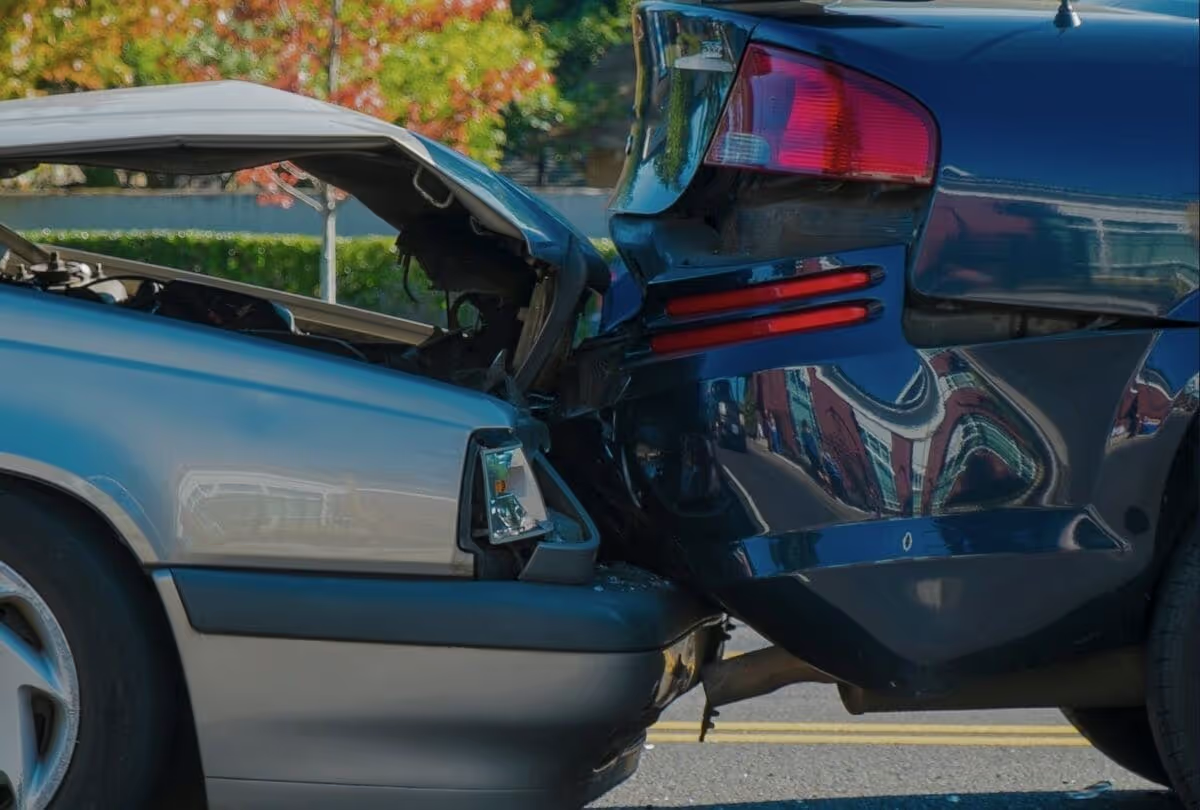
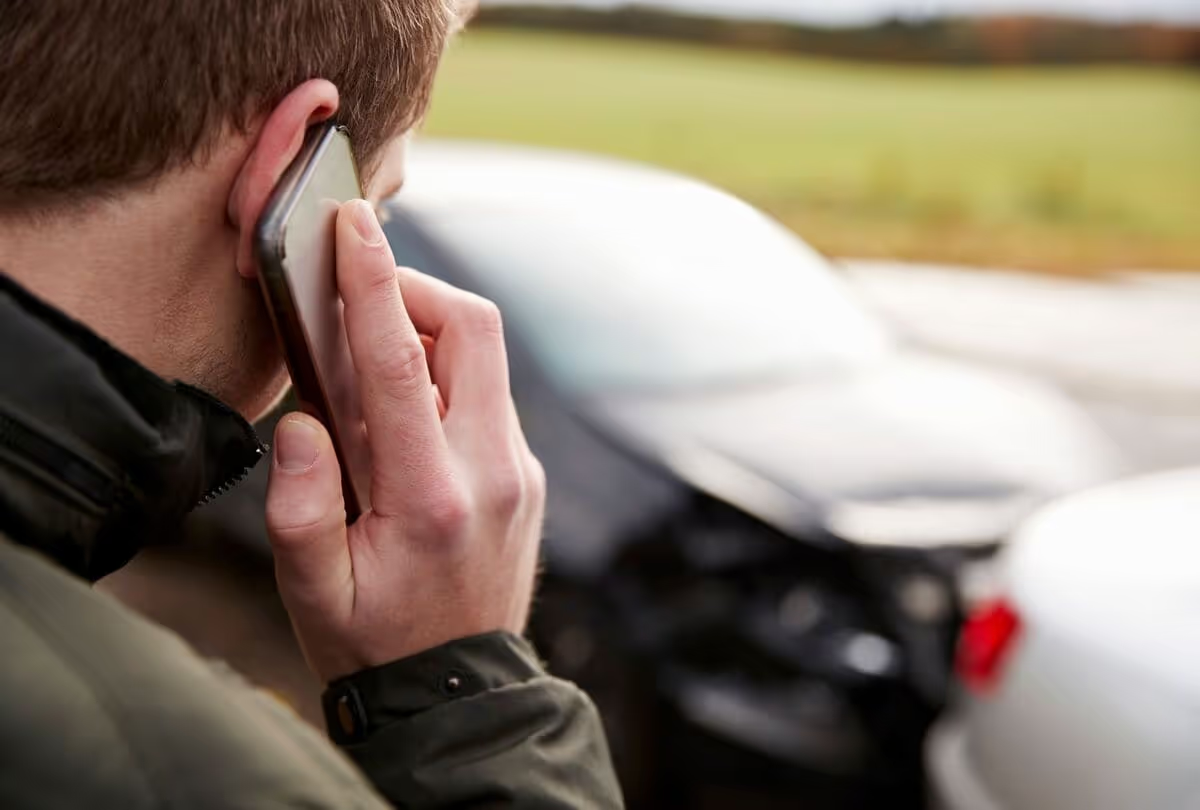
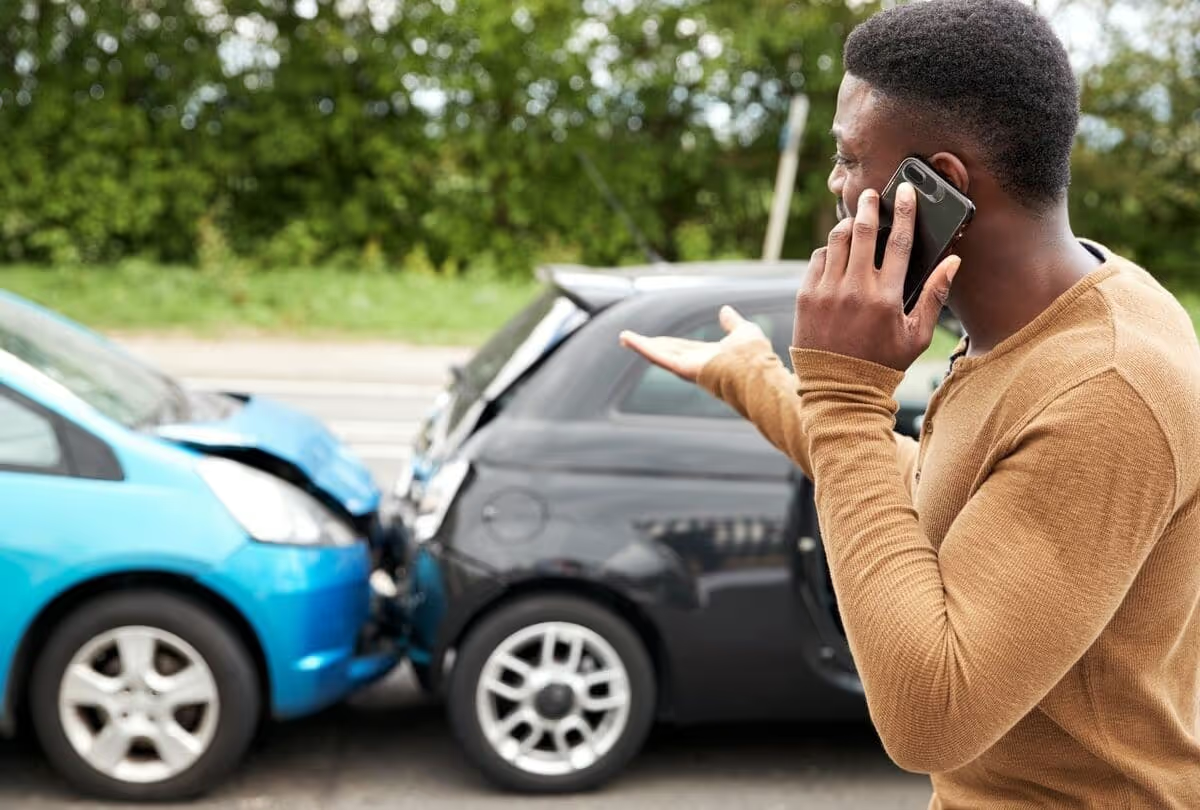
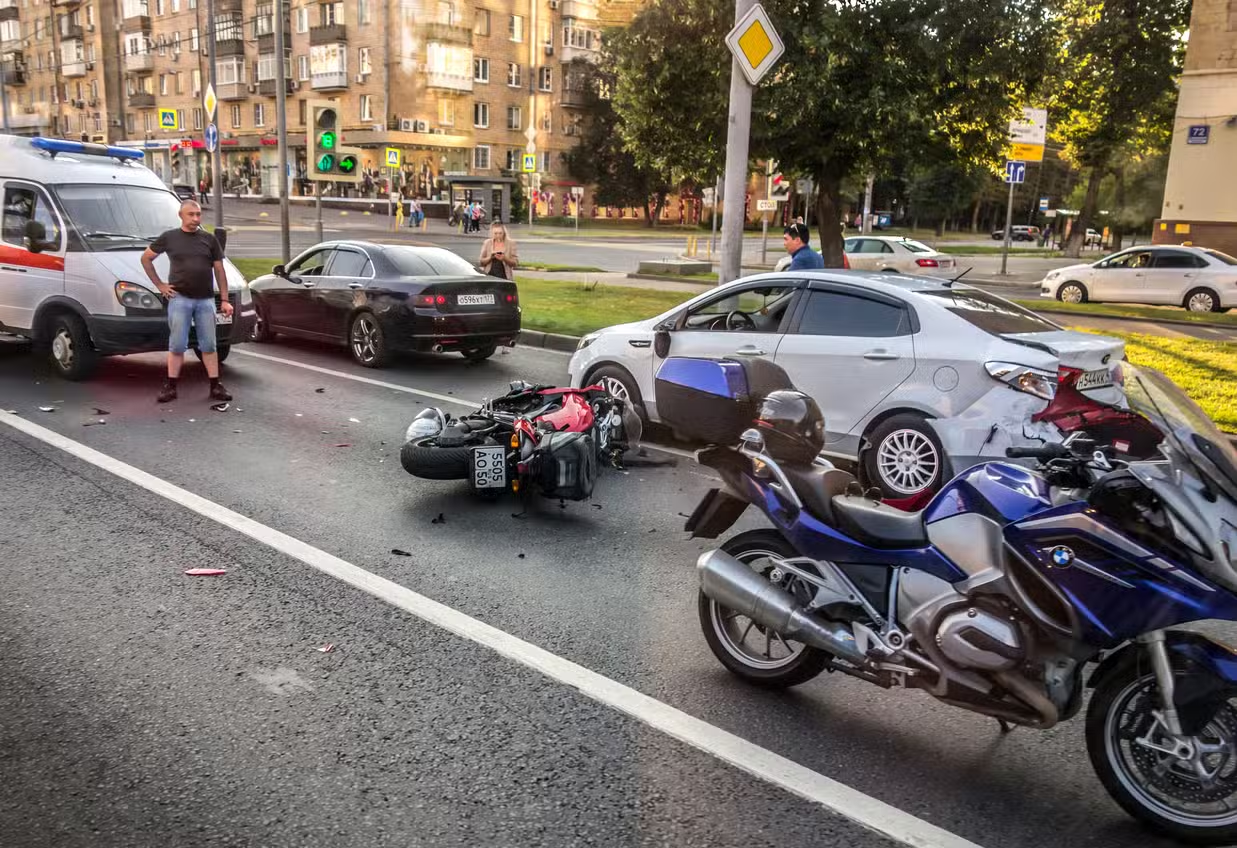
A California phantom vehicle claim involves an unidentified driver who causes a crash and disappears. The unknown vehicle can sideswipe a car, force a driver off the road, or trigger a crash without stopping. The injured person then looks to uninsured motorist coverage for recovery.
Why does physical contact matter in UM claims?
Physical contact matters because California's unknown-driver UM framework uses it as a safeguard against unverifiable no-contact claims. A mirror strike, paint transfer, bumper scrape, or debris impact can change the coverage discussion. A no-contact avoidance crash can be harder even when the driver truthfully describes the danger.
What is a common California crash example?
A driver on Interstate 5 swerves to avoid a white pickup that changes lanes and leaves. The driver hits the divider and suffers a shoulder injury. If the pickup never touched the vehicle and no witness stopped, the insurer can challenge UM coverage. If the pickup clipped the mirror and a witness called 911, the claim is stronger.
What evidence and mistakes matter most?
Which 5 records support an unknown-driver claim?
The best records show contact, speed, timing, and immediate reporting.
- File a police report as soon as possible after the crash.
- Send a sworn statement to the insurer describing the unknown vehicle and impact.
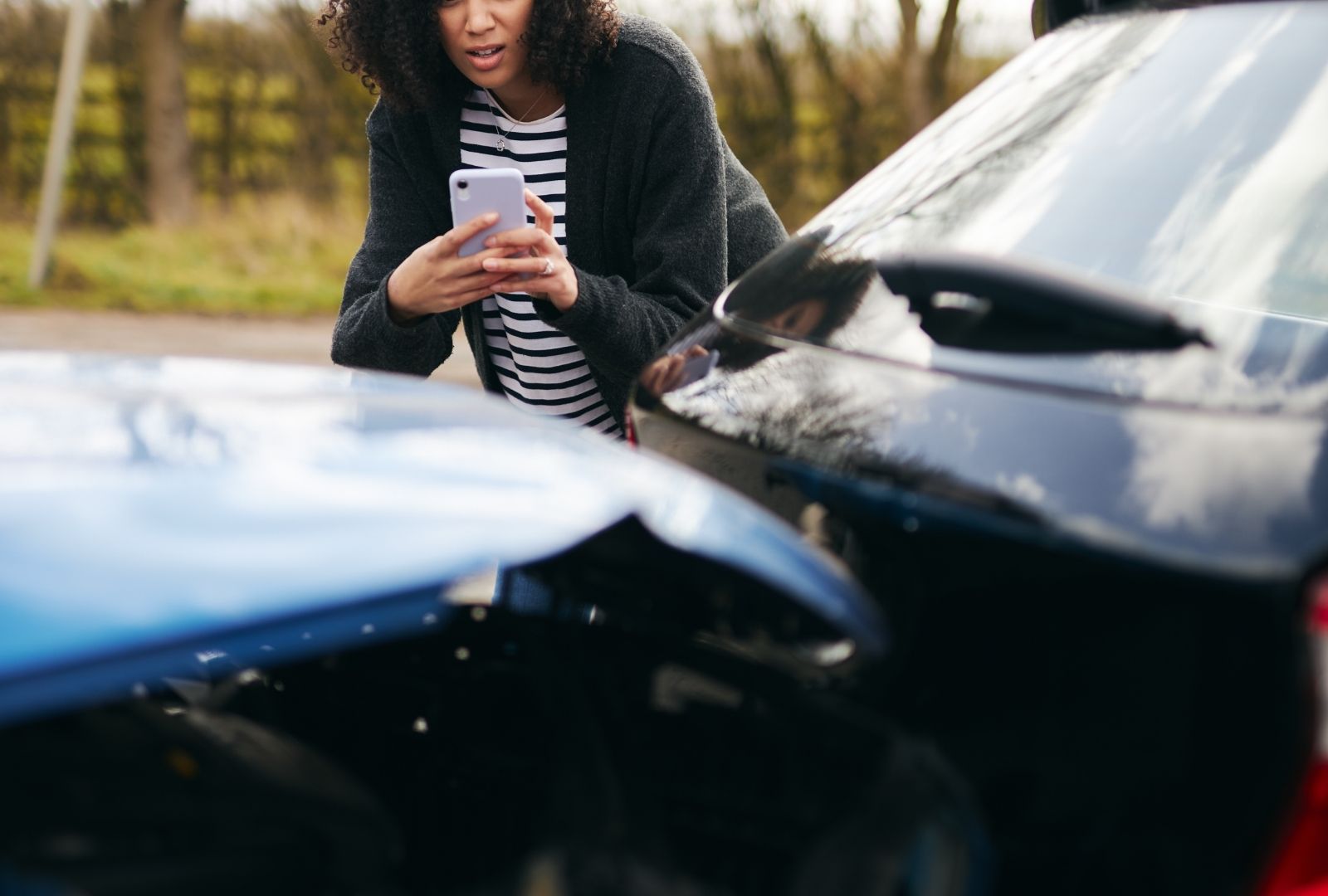
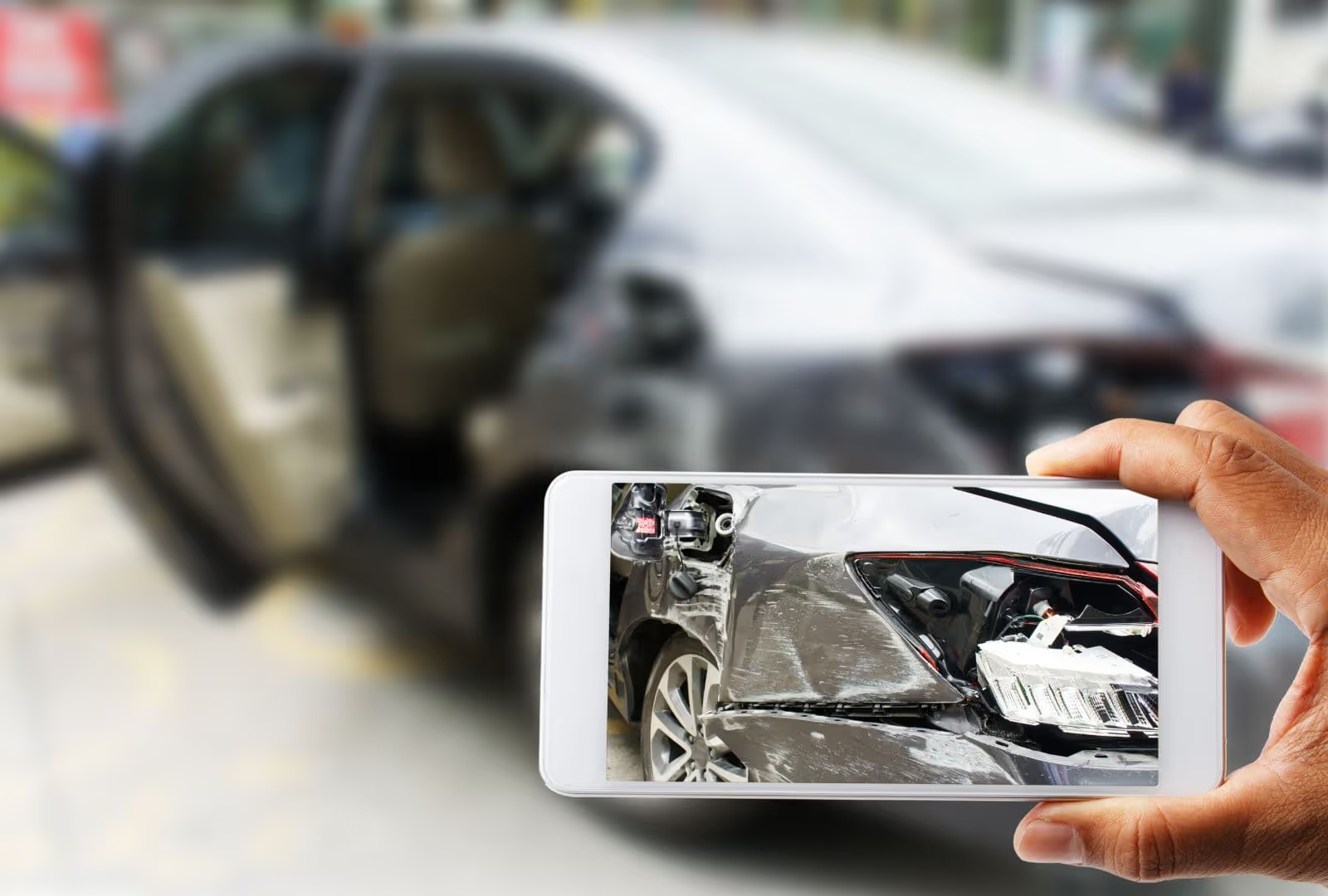
- Photograph paint transfer, mirror damage, tire marks, debris, and impact points.
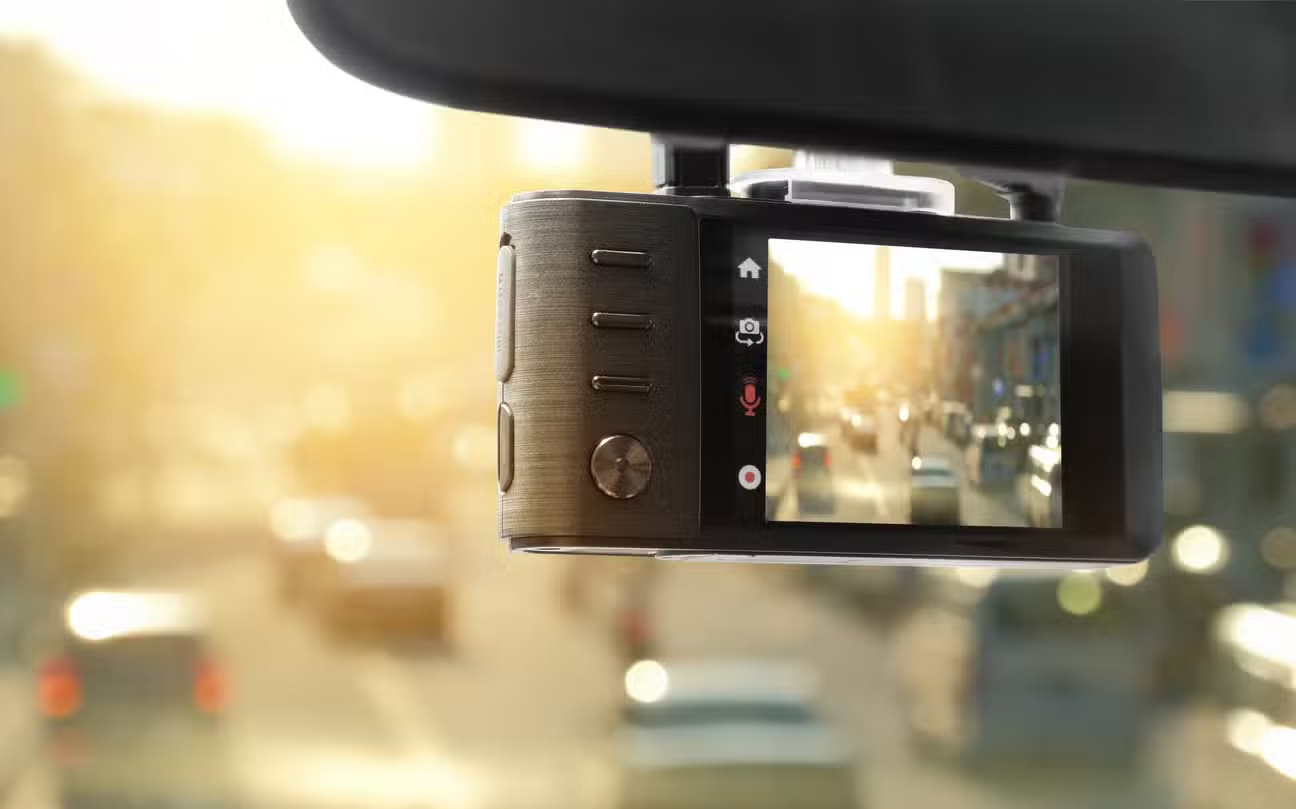
- Preserve dash camera footage, nearby surveillance footage, and witness names.
- Keep medical records connecting the injury to the reported crash event.
Which 4 mistakes create coverage problems?
Coverage problems grow when early reports are vague or late.
- Wait several days before reporting the hit-and-run.
- Omit contact details, debris details, or witness information from the first report.
- Let dash camera footage overwrite before saving it.
- Assume every unknown driver is treated like an identified uninsured driver.
How should this issue be handled before negotiation?
This issue should be handled by converting the rule into a dated evidence checklist. The driver should identify the triggering fact, collect the document that proves it, and ask the insurer to explain any coverage, deadline, or valuation position in writing. An uninsured motorist accident lawyer can organize this record before the insurer’s position hardens.
Which 4 questions should the file answer?
The file should answer 4 questions before any release, repair authorization, denial, or valuation is accepted.
- Identify the statute, policy term, deadline, or coverage limit that controls the issue.
- Locate the document that proves the trigger fact, such as coverage, timing, identity, permission, or value.
- Confirm which insurer, public entity, driver, owner, platform, or repair shop has the next deadline.
- Decide which missing record would change the claim value if it were obtained now.
What does this mean for settlement value?
Settlement value changes when the issue shifts the claim from ordinary fault to a rule-based proof dispute. The injured person may need to prove coverage, preserve rights, meet a deadline, or correct a valuation before damages are discussed.
Which follow-up steps create proof?
These follow-up steps create a usable record.
- Send a short follow-up email after each claim phone call.
- Compare each insurer reason with documents, photographs, policy language, and deadlines.
- Request written confirmation before signing a release, accepting payment, or authorizing repairs.
- Store every document in a dated claim folder instead of separate email threads.
- Update the timeline when treatment, repairs, inspections, or agency responses change.
- Ask for the specific evidence the adjuster still needs to finish the review.
Which related California accident issues matter too?
California UMPD vs Collision Coverage explains why vehicle damage after an unidentified hit-and-run can require a different coverage path. California Underinsured Motorist Settlements explains why releases and notice can affect first-party coverage. California SR-1 Form covers the separate DMV reporting duty after injury or major property damage. An uninsured motorist accident lawyer can compare the policy language with the physical evidence before the insurer closes the file.
What should the injured driver do next?
The injured driver should treat the first 24 hours as an evidence window. Report the crash, photograph the vehicle before repairs, save video, identify witnesses, and send written notice to the insurer. A phantom vehicle claim is won with verification, not with injury severity alone.

Michael Avanesian, the founder and driving force behind Avian Law Group, is a passionate and dedicated attorney with a strong background in personal injury law. As a partner at JT Legal Group, Michael led the growth of the personal injury practice from a single employee to a team of over ninety professionals, securing over $2 billion in settlements for clients in just three years.











.jpeg)
.jpeg)