.jpeg)
What does the California Prop 213 felony rule do?
The California Prop 213 felony rule can bar damages when a person's injuries are proximately caused by that person's commission of a felony or immediate flight from the felony. This rule is separate from the better-known uninsured-driver damages limit and can create a complete civil recovery problem.
Why is this rule different from comparative fault?
This rule is different because it is not a percentage reduction based on shared negligence. Ordinary comparative fault divides responsibility. Civil Code Section 3333.3 creates a sharper question: did a felony conviction and the injury-causing event fit the statutory bar?
What is a common California crash example?
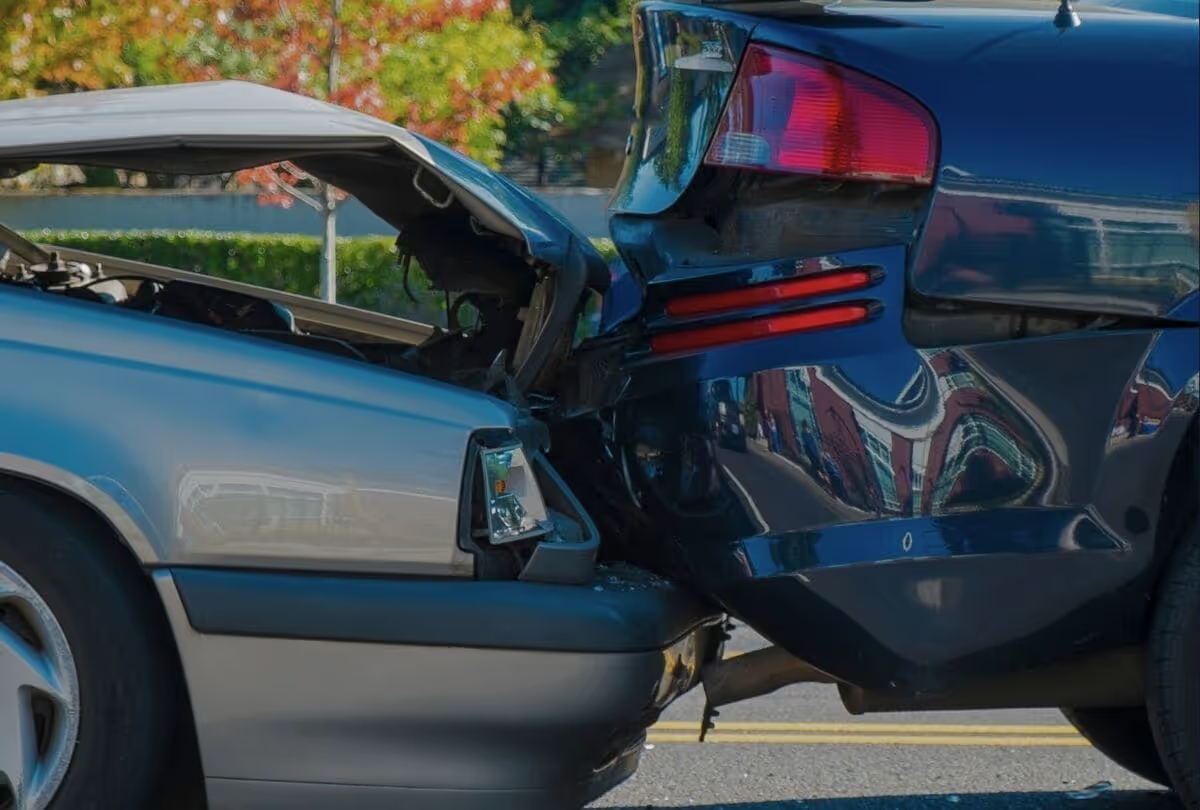
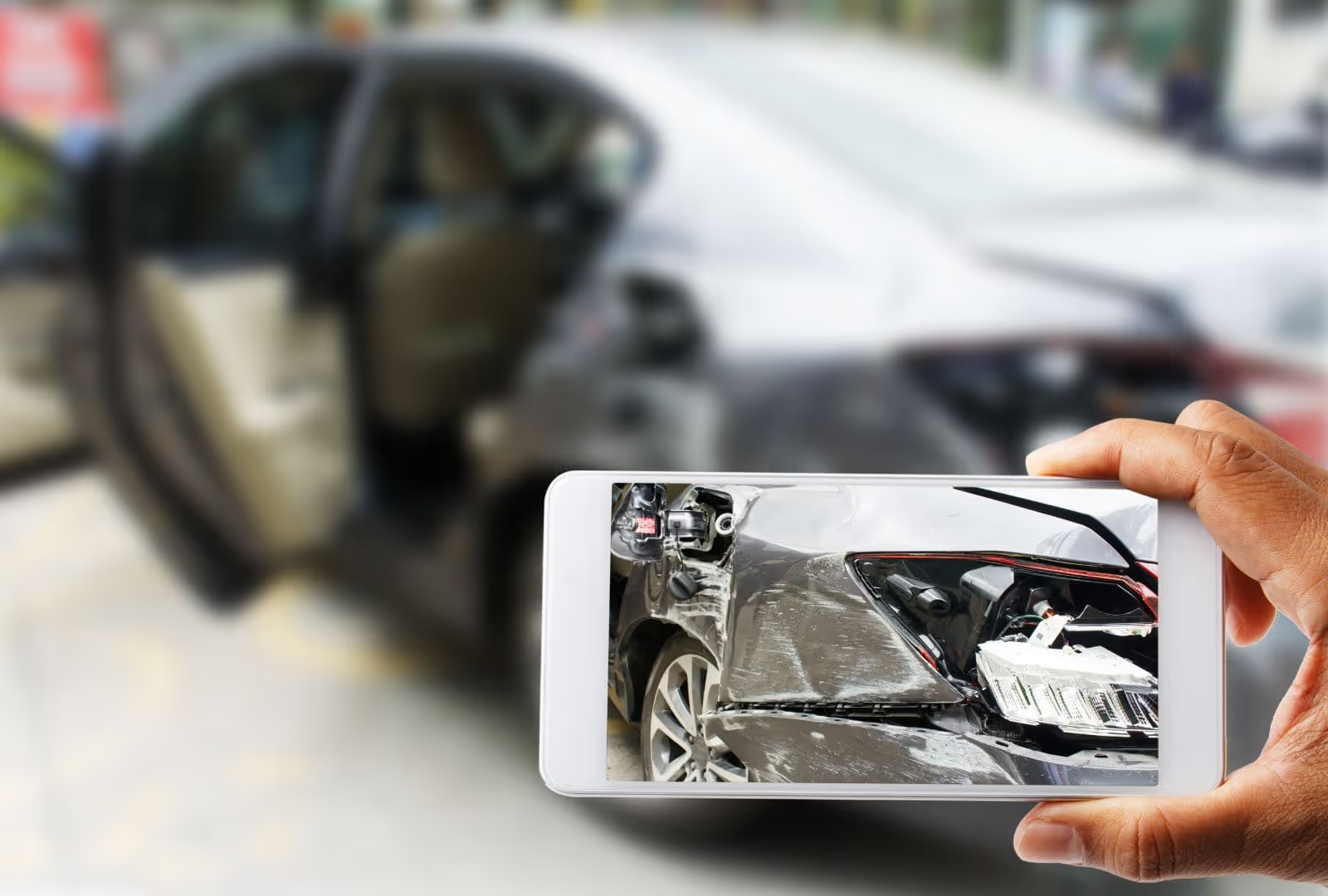
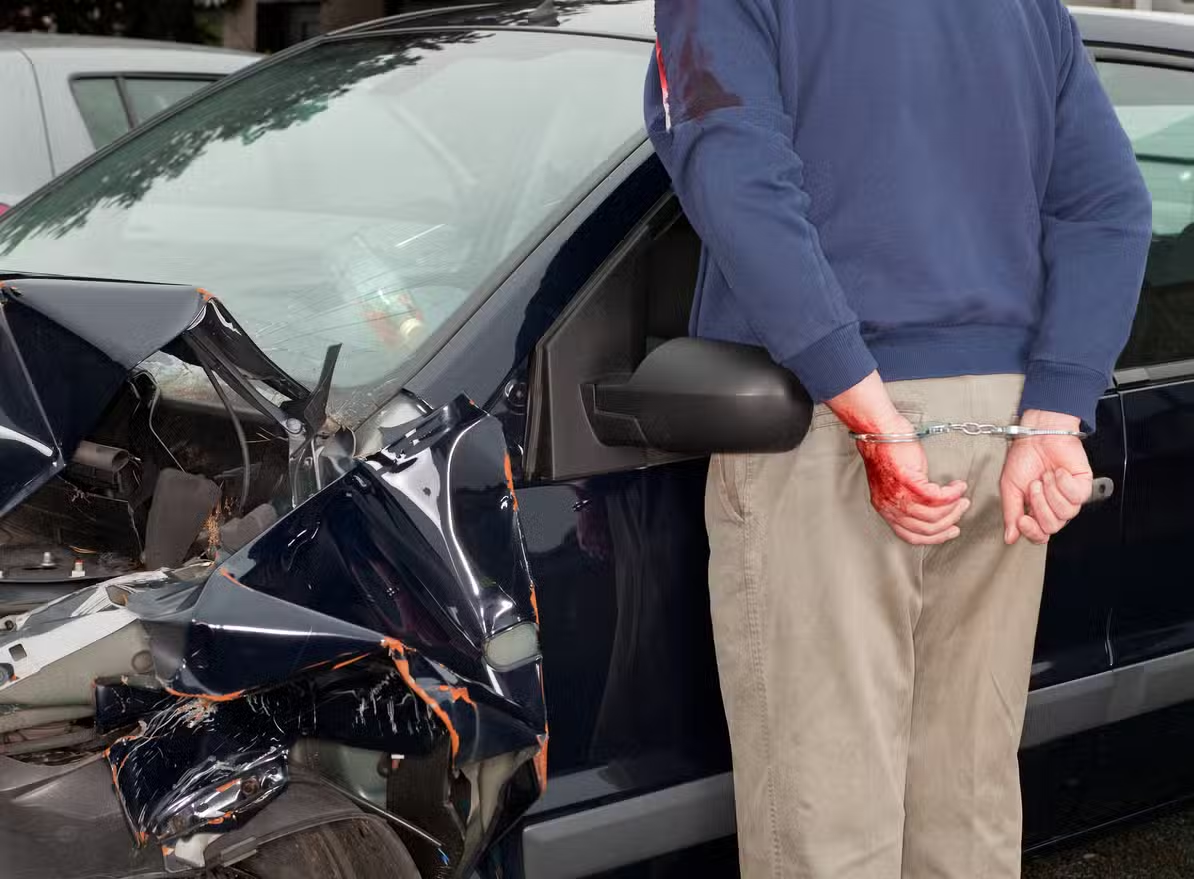
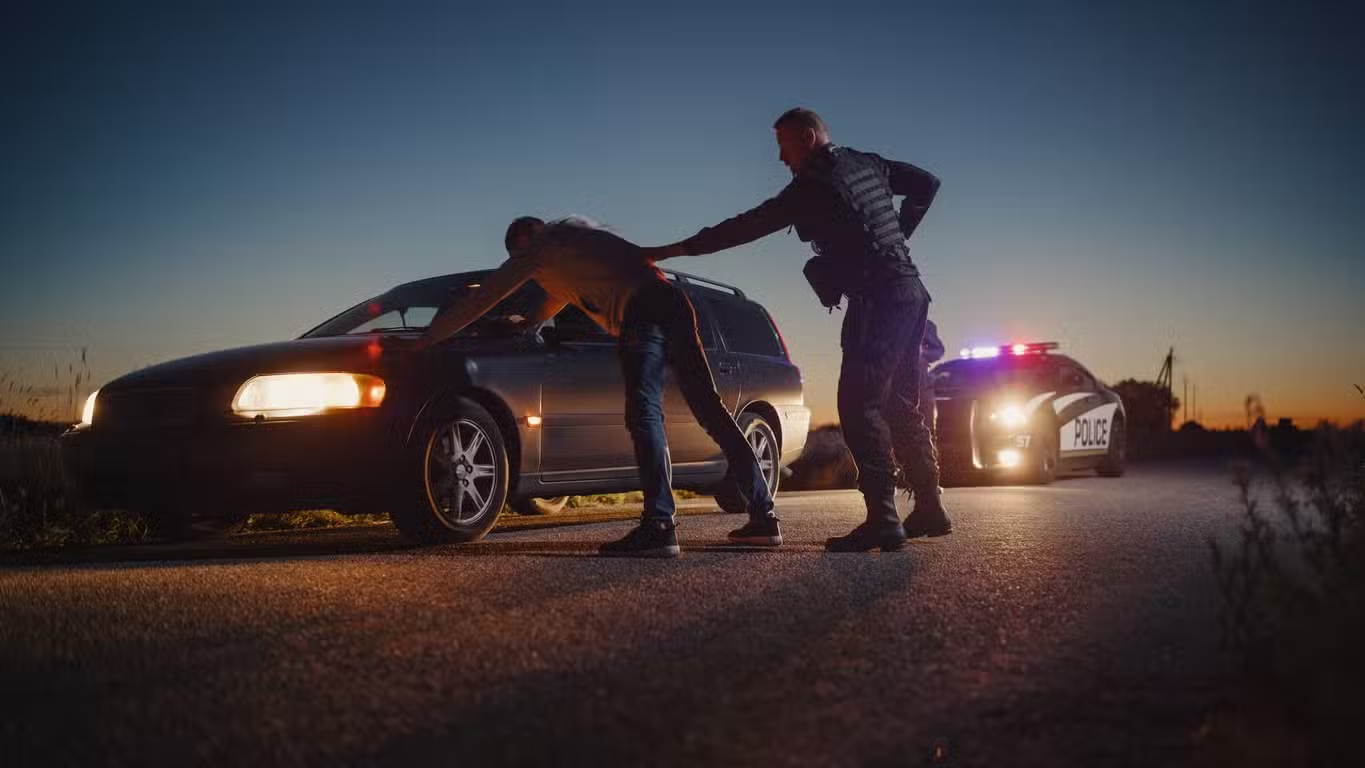
A stolen-vehicle flight shows the issue. A driver steals a car, speeds away, and crashes while escaping. If that driver is injured and later brings a claim, the defense can argue that the felony and immediate flight caused the injuries. Innocent passengers, other drivers, and bystanders need separate analysis because their claims are not the same as the convicted person's claim.
What evidence and mistakes matter most?
Which 4 records help prove the timeline?
The strongest analysis depends on criminal records and crash timing.
- Obtain police pursuit reports, collision reports, dispatch logs, and incident narratives.
- Check criminal court dockets, plea records, sentencing records, and conviction documents.
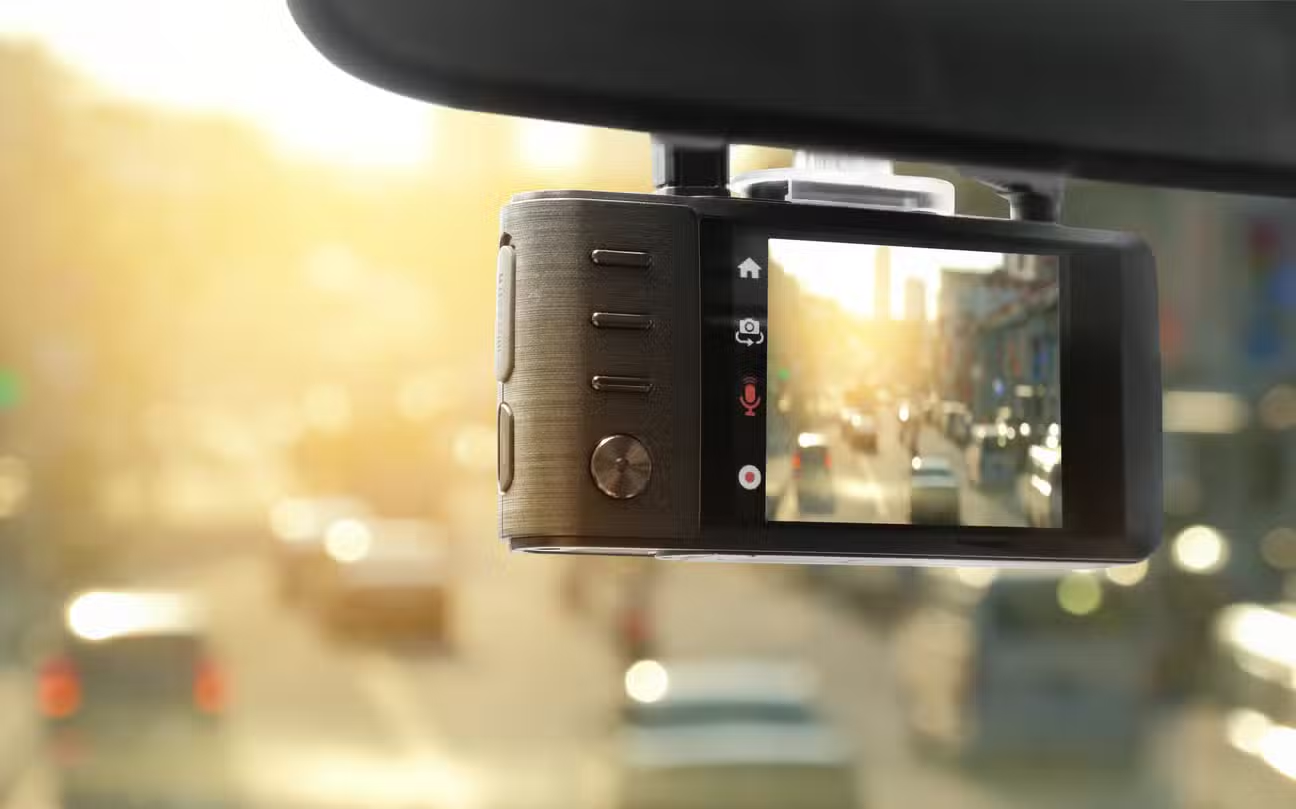
- Preserve dash camera, body camera, traffic camera, and surveillance footage.
- Compare the crash time with the alleged felony, flight path, and officer observations.
Which 4 mistakes weaken the analysis?
The most damaging mistakes treat allegations as final facts.
- Treat an arrest as the same thing as the conviction requirement.
- Ignore causation between the felony, the flight, and the injury.
- Confuse the felony bar with ordinary comparative fault percentages.
- Assume innocent third parties lose claims because one person committed a felony.
How should this issue be handled before negotiation?
This issue should be handled by converting the rule into a dated evidence checklist. The driver should identify the triggering fact, collect the document that proves it, and ask the insurer to explain any coverage, deadline, or valuation position in writing. A California car accident lawyer can organize this record before the insurer’s position hardens.
Which 4 questions should the file answer?
The file should answer 4 questions before any release, repair authorization, denial, or valuation is accepted.
- Identify the statute, policy term, deadline, or coverage limit that controls the issue.
- Locate the document that proves the trigger fact, such as coverage, timing, identity, permission, or value.
- Confirm which insurer, public entity, driver, owner, platform, or repair shop has the next deadline.
- Decide which missing record would change the claim value if it were obtained now.
What does this mean for settlement value?
Settlement value changes when the issue shifts the claim from ordinary fault to a rule-based proof dispute. The injured person may need to prove coverage, preserve rights, meet a deadline, or correct a valuation before damages are discussed.
Which follow-up steps create proof?
These follow-up steps create a usable record.
- Send a short follow-up email after each claim phone call.
- Compare each insurer reason with documents, photographs, policy language, and deadlines.
- Request written confirmation before signing a release, accepting payment, or authorizing repairs.
- Store every document in a dated claim folder instead of separate email threads.
- Update the timeline when treatment, repairs, inspections, or agency responses change.
Which related California accident issues matter too?
The felony rule sits beside California Prop 213 Uninsured Driver Rule, but the 2 articles address different limits on recovery. California Government Vehicle Claims matters when a pursuit or public agency response is part of the facts. California Emergency Vehicle Crashes explains why police, fire, and ambulance conduct still require a separate reasonableness analysis. A California car accident lawyer can sort the civil claim from the criminal timeline before insurance negotiations begin.
What should injured people do next?
Injured people should separate the criminal case record from the insurance claim file. The key documents are the conviction record, the crash sequence, and proof showing whose injuries were caused by whose conduct. A felony-related crash requires exact dates, exact locations, and exact roles because one changed fact can move a claim outside the rule.

Michael Avanesian, the founder and driving force behind Avian Law Group, is a passionate and dedicated attorney with a strong background in personal injury law. As a partner at JT Legal Group, Michael led the growth of the personal injury practice from a single employee to a team of over ninety professionals, securing over $2 billion in settlements for clients in just three years.











.jpeg)