
What is the difference between UMPD and collision coverage?
UMPD covers vehicle damage caused by an identified uninsured driver, subject to California's standard property-damage limit. Collision coverage is broader because it generally applies to vehicle damage from a collision, subject to the policy deductible and terms, regardless of who caused the crash.
Why does the $3,500 UMPD limit surprise drivers?
The $3,500 UMPD limit surprises drivers because modern repairs can exceed it quickly. Sensors, cameras, bumpers, airbags, wheels, and frame damage can make a small-looking crash expensive. UMPD can help in a narrow situation, but it is not a substitute for collision coverage.
What is a common California property-damage example?
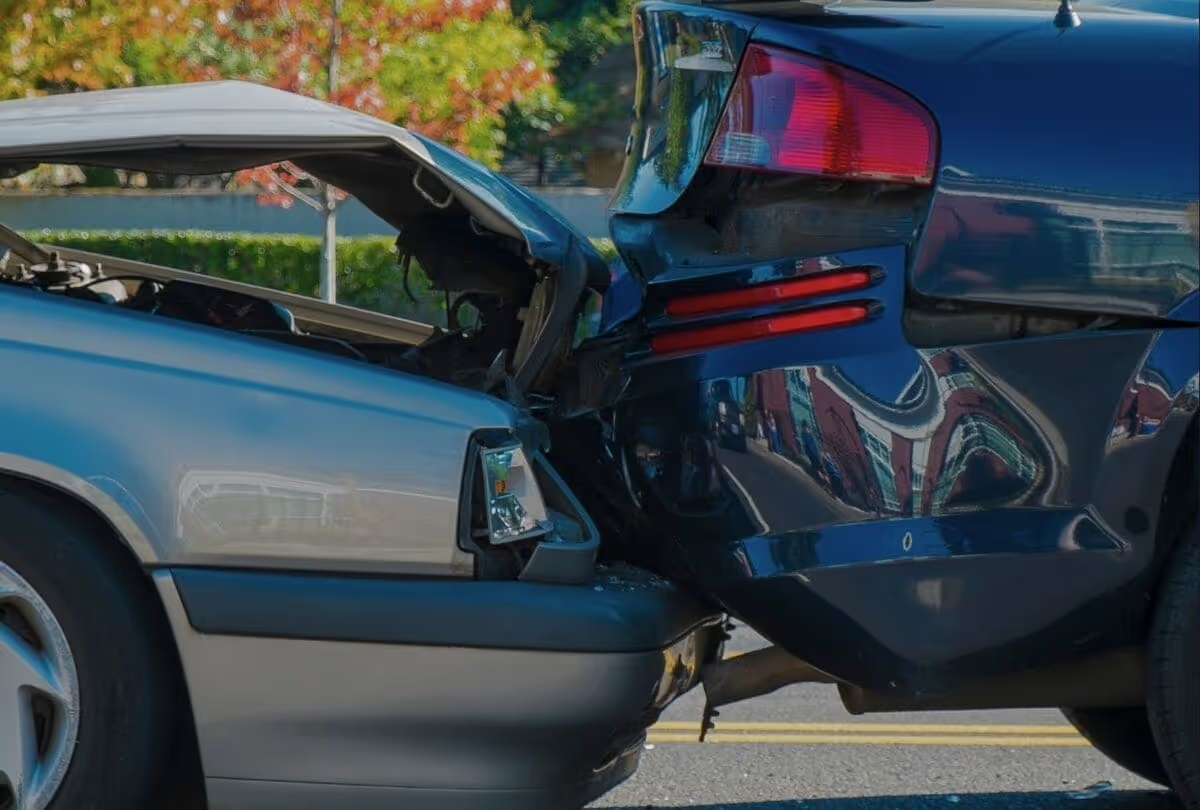
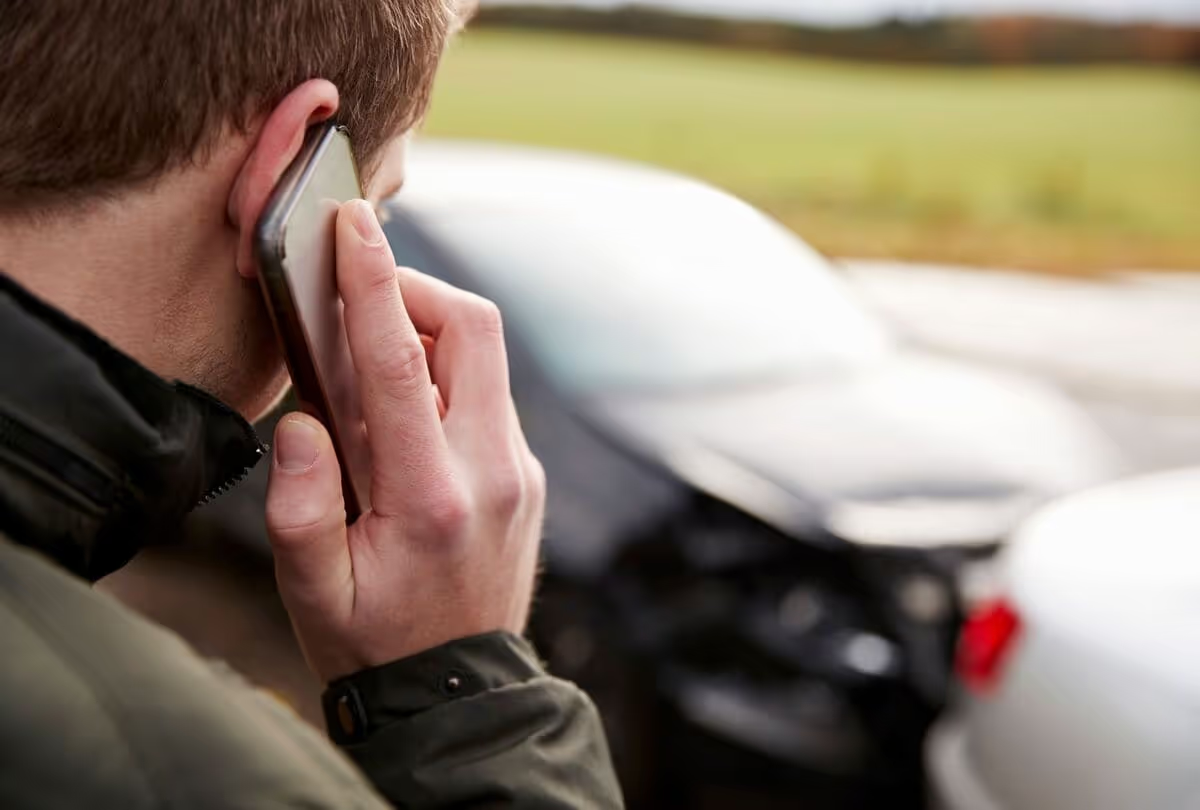
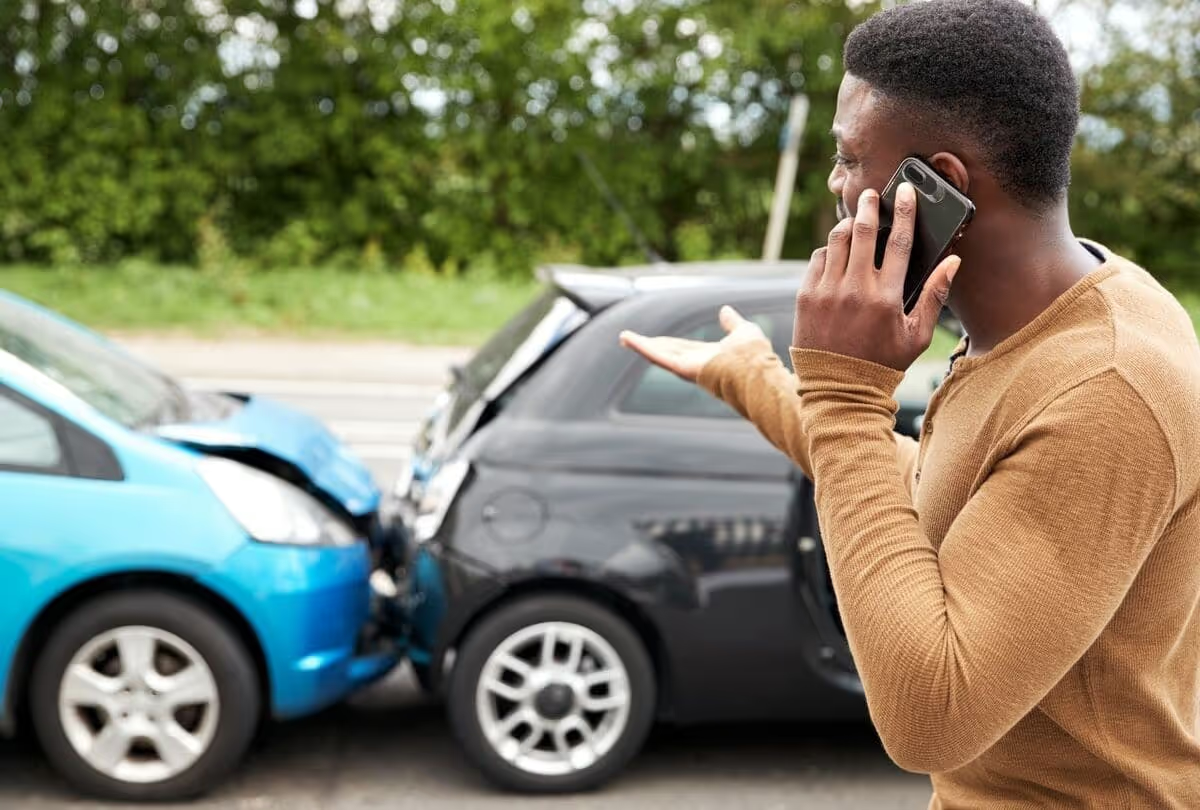
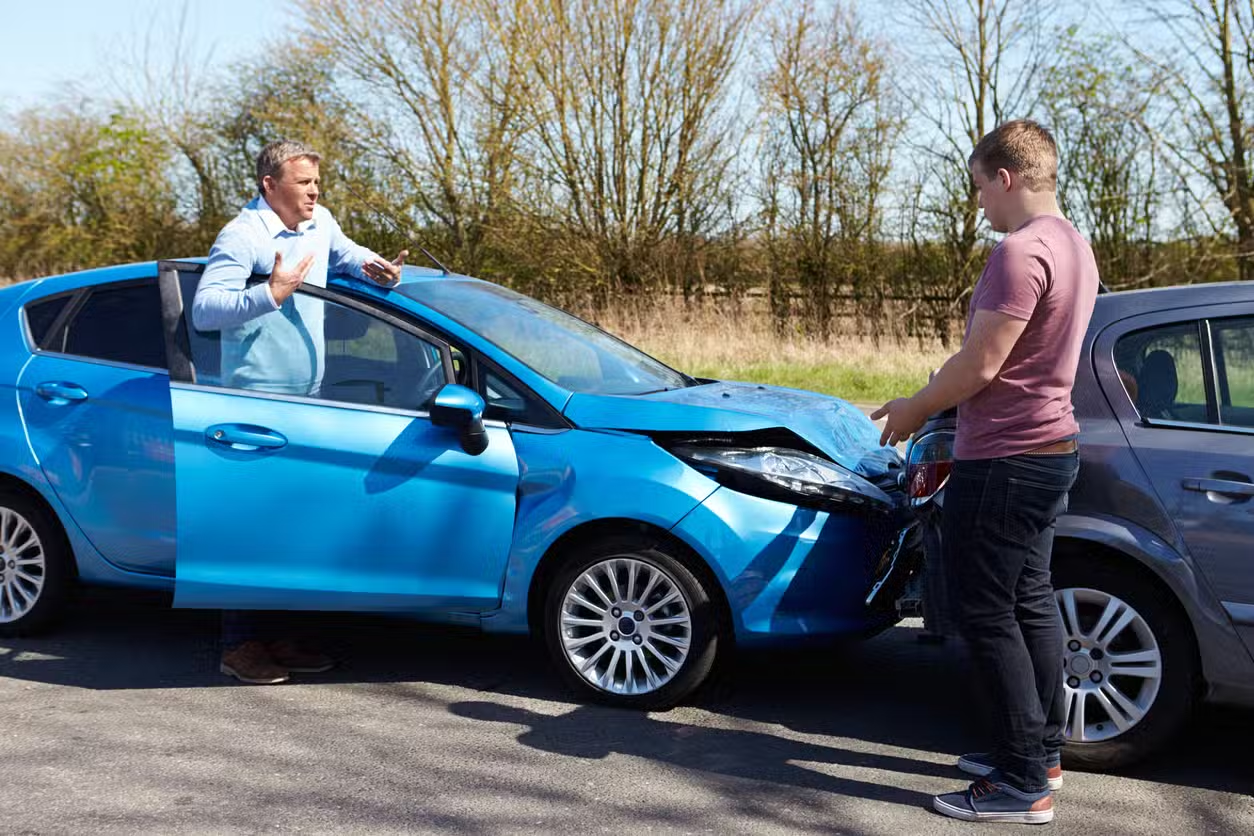
A Fresno driver is hit by an uninsured motorist who stays at the scene and provides identification. The repair estimate is $2,800. UMPD can be useful. Change the facts to an overnight sideswipe with no identified driver, or a total loss worth $18,000, and collision coverage becomes the more meaningful protection if the driver purchased it.
What evidence and mistakes matter most?
Which 5 records help identify the right coverage?
The best file proves coverage, fault, identity, and repair cost.
- Check the declarations page for UMPD, collision, deductibles, and exclusions.
- Save the police report and exchange information identifying the uninsured driver.
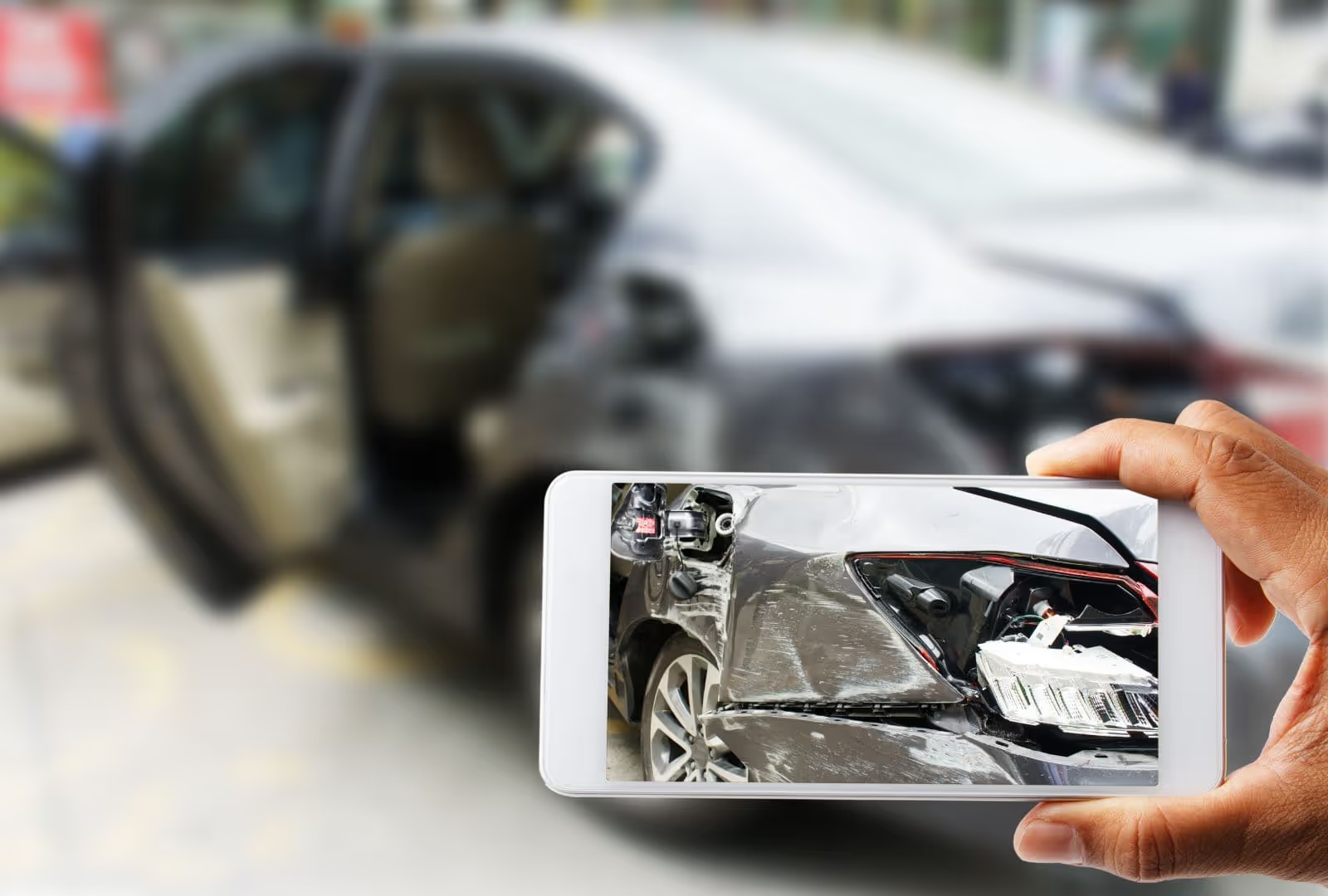
- Photograph vehicles, license plates, damage, debris, and accident location.
- Keep repair estimates, total loss valuations, towing bills, storage bills, and rentals.
- Get written confirmation that the at-fault driver lacked valid insurance.
Which 4 mistakes cause coverage surprises?
Coverage surprises happen when UMPD is treated like full property protection.
- Assume UMPD covers every hit-and-run property-damage claim.
- Treat UMPD and collision as interchangeable coverages.
- Forget that the UMPD limit can be far below the vehicle loss.
- Leave the crash scene without identifying the uninsured driver.
How should this issue be handled before negotiation?
This issue should be handled by converting the rule into a dated evidence checklist. The driver should identify the triggering fact, collect the document that proves it, and ask the insurer to explain any coverage, deadline, or valuation position in writing. An uninsured motorist accident lawyer can organize this record before the insurer’s position hardens.
Which 4 questions should the file answer?
The file should answer 4 questions before any release, repair authorization, denial, or valuation is accepted.
- Identify the statute, policy term, deadline, or coverage limit that controls the issue.
- Locate the document that proves the trigger fact, such as coverage, timing, identity, permission, or value.
- Confirm which insurer, public entity, driver, owner, platform, or repair shop has the next deadline.
- Decide which missing record would change the claim value if it were obtained now.
What does this mean for settlement value?
Settlement value changes when the issue shifts the claim from ordinary fault to a rule-based proof dispute. The injured person may need to prove coverage, preserve rights, meet a deadline, or correct a valuation before damages are discussed.
Which follow-up steps create proof?
These follow-up steps create a usable record.
- Send a short follow-up email after each claim phone call.
- Compare each insurer reason with documents, photographs, policy language, and deadlines.
- Request written confirmation before signing a release, accepting payment, or authorizing repairs.
- Store every document in a dated claim folder instead of separate email threads.
- Update the timeline when treatment, repairs, inspections, or agency responses change.
- Ask for the specific evidence the adjuster still needs to finish the review.
Which related California accident issues matter too?
California Phantom Vehicle Claims explains why unidentified drivers create special UM problems. California Underinsured Motorist Settlements explains how first-party coverage has notice and consent issues in injury claims. California 30/60/15 Insurance Minimums explains why property damage limits can run out even when the at-fault driver is insured. An uninsured motorist accident lawyer can review both injury coverage and vehicle-damage coverage before the wrong claim path is chosen.
What should drivers do next?
Drivers should read their declarations page before a crash and again after one. Confirm whether UMPD, collision, rental, MedPay, and UM/UIM bodily injury coverages exist. After a crash, identify the other driver, document damage, and get coverage decisions in writing. The title of the coverage matters less than the conditions attached to it.

Michael Avanesian, the founder and driving force behind Avian Law Group, is a passionate and dedicated attorney with a strong background in personal injury law. As a partner at JT Legal Group, Michael led the growth of the personal injury practice from a single employee to a team of over ninety professionals, securing over $2 billion in settlements for clients in just three years.









.jpeg)

.jpeg)