
What is the California one-tap phone rule?
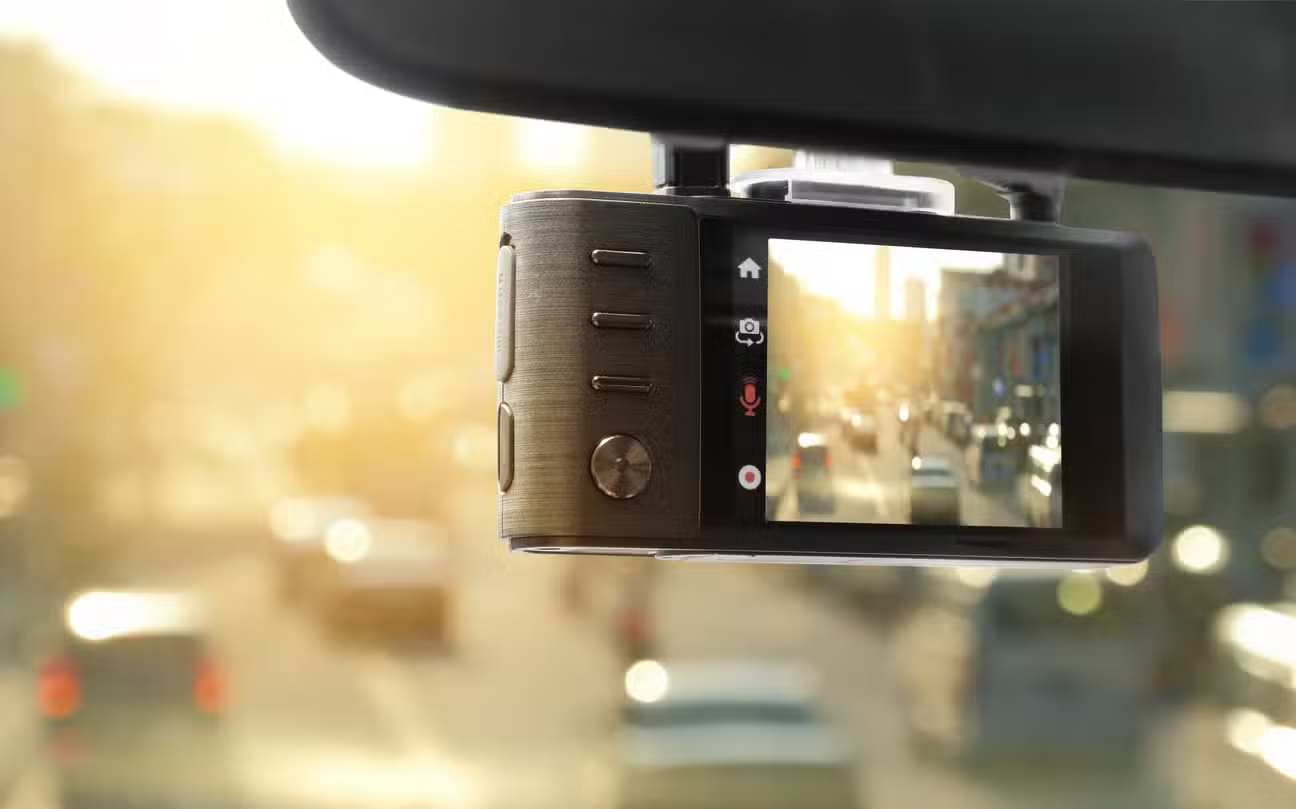
The California one-tap phone rule refers to limited interaction with a mounted device while driving. The statute generally prohibits holding and operating a handheld wireless phone or electronic device, while allowing narrow mounted-device use when the legal conditions are met.
Why can legal phone contact still be negligent?
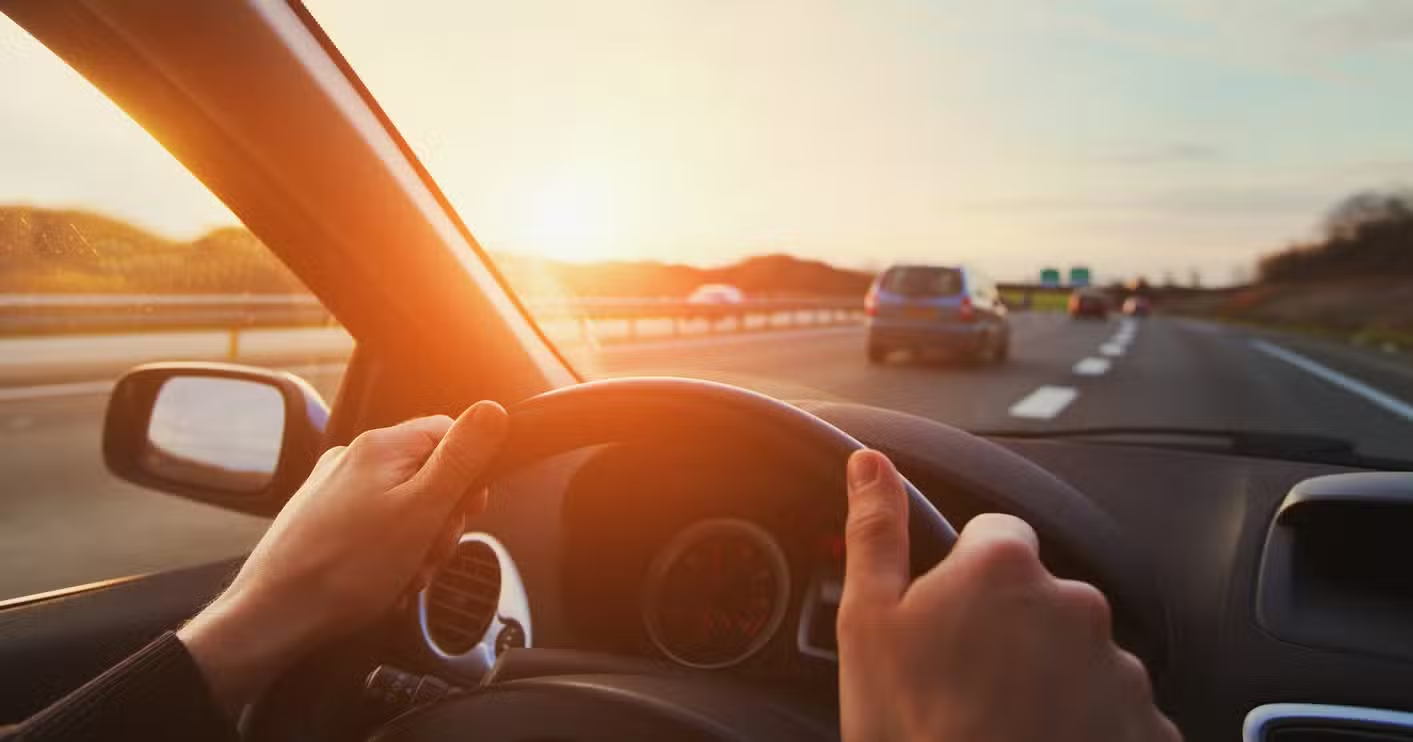
Legal phone contact can still be negligent when it distracts the driver at the wrong time. A driver can argue that a single mounted-device tap was allowed. The injured person can still argue that looking away from traffic, failing to brake, or drifting lanes was unreasonable under the circumstances.
What is a common California distracted-driving example?
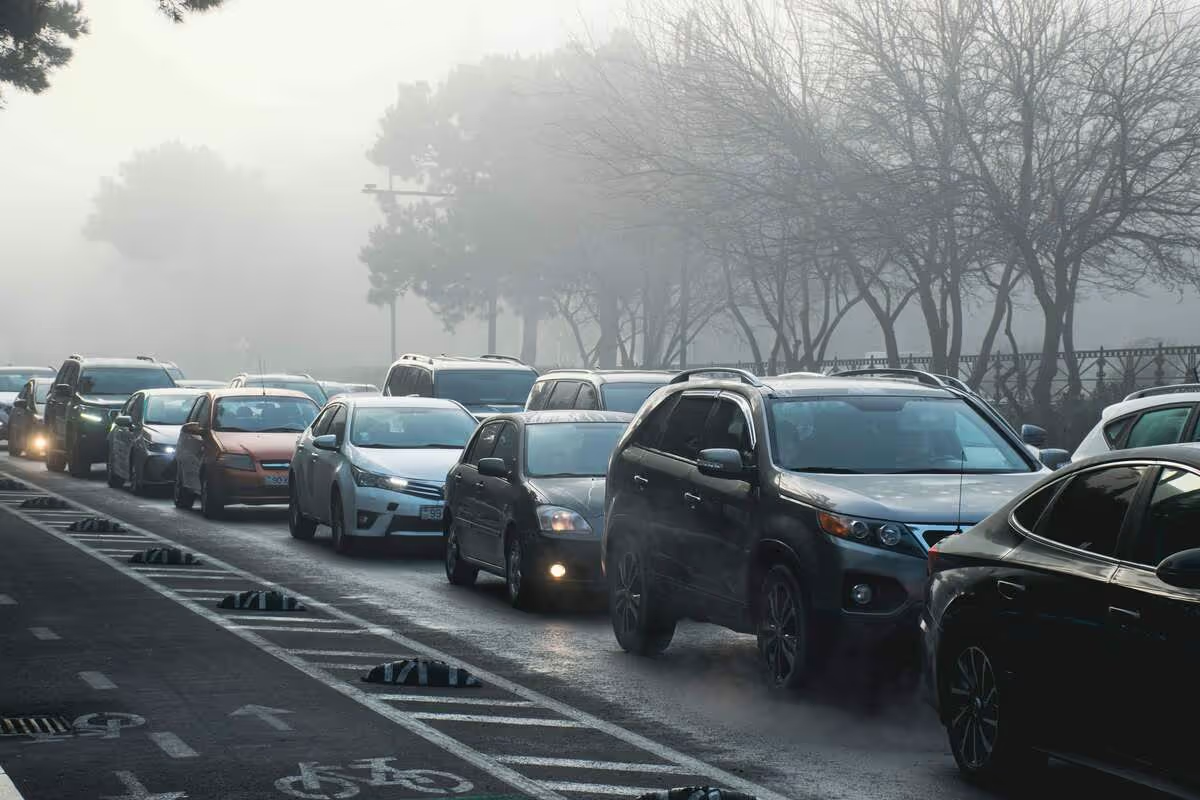
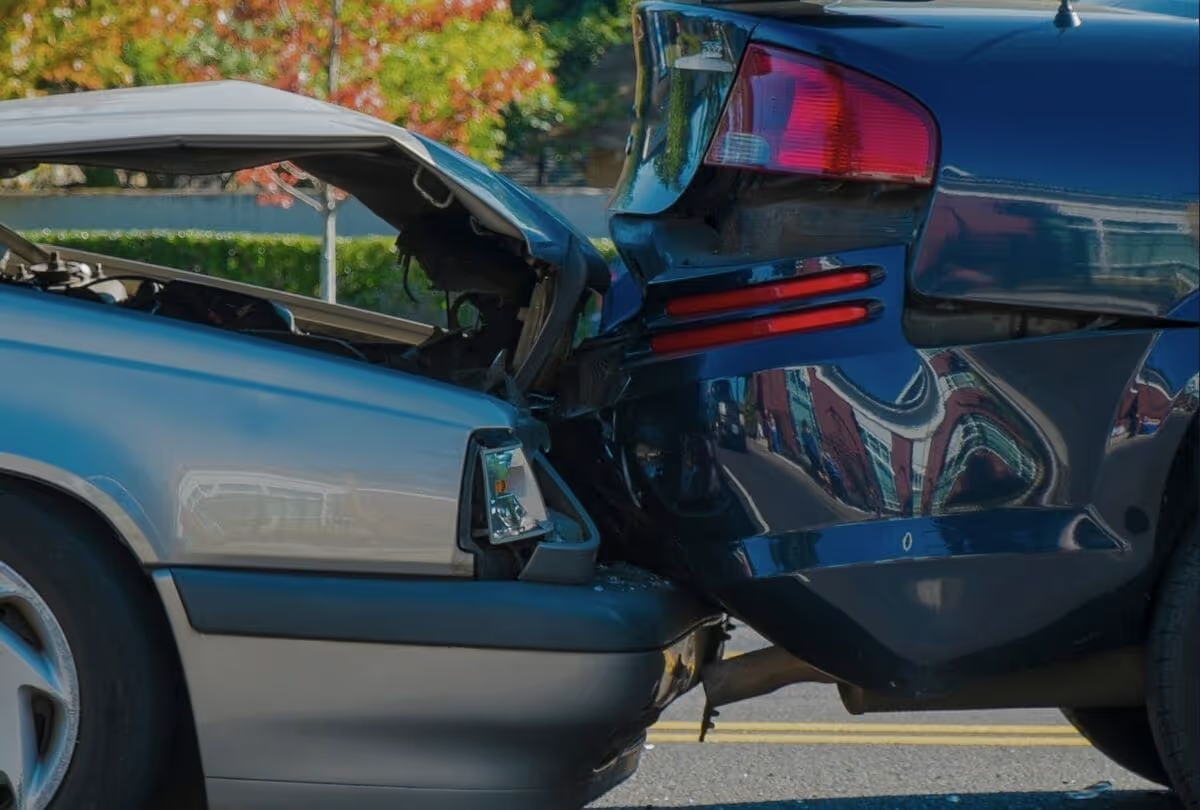
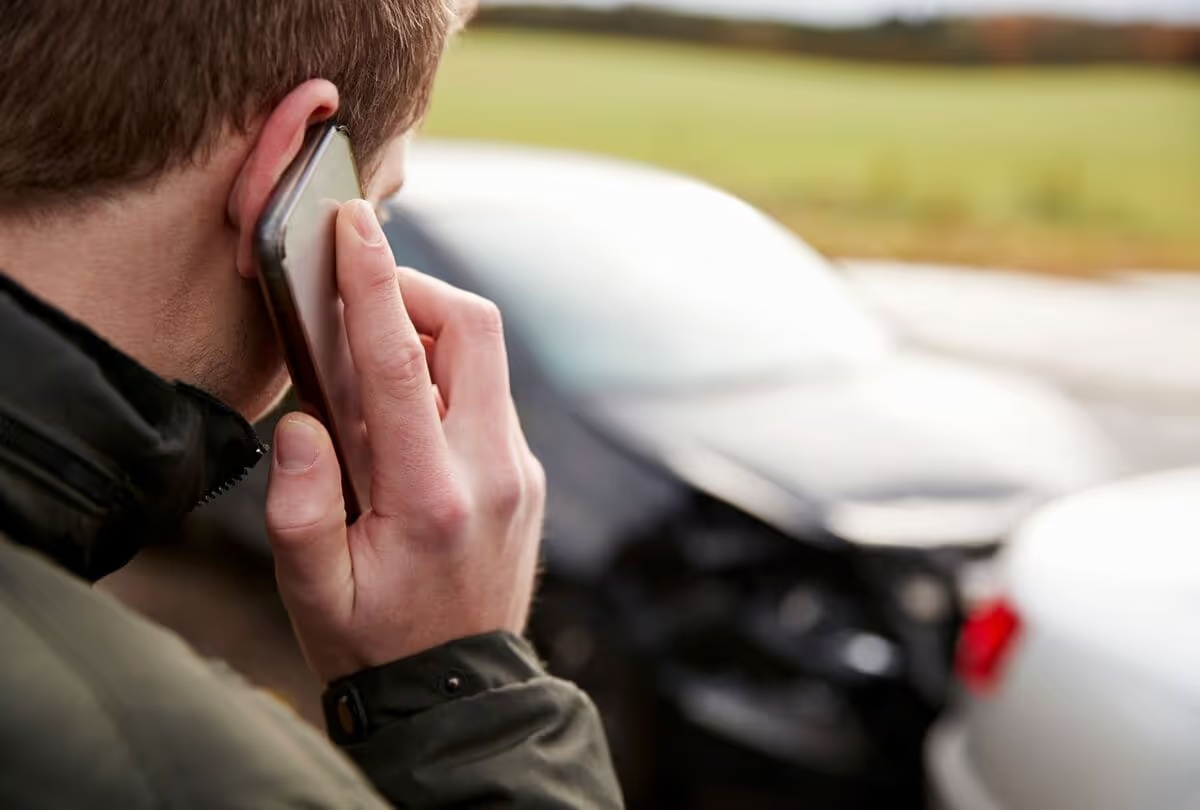
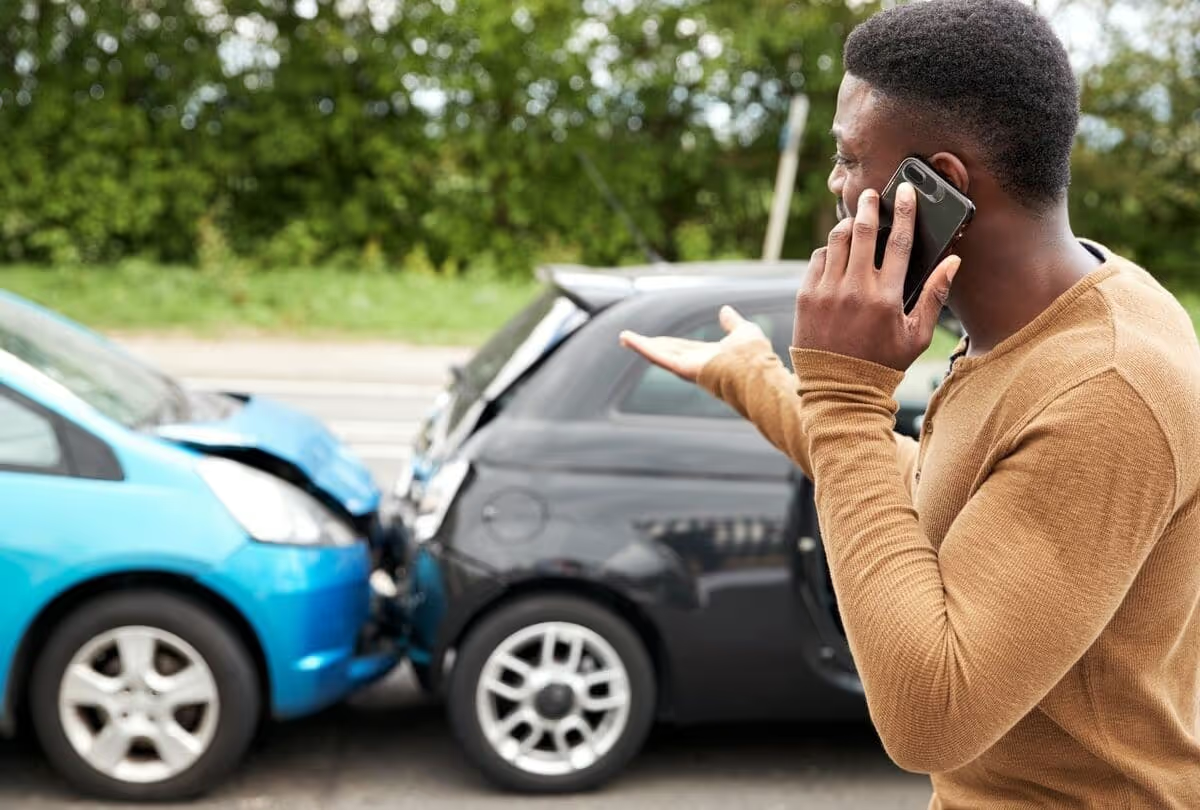
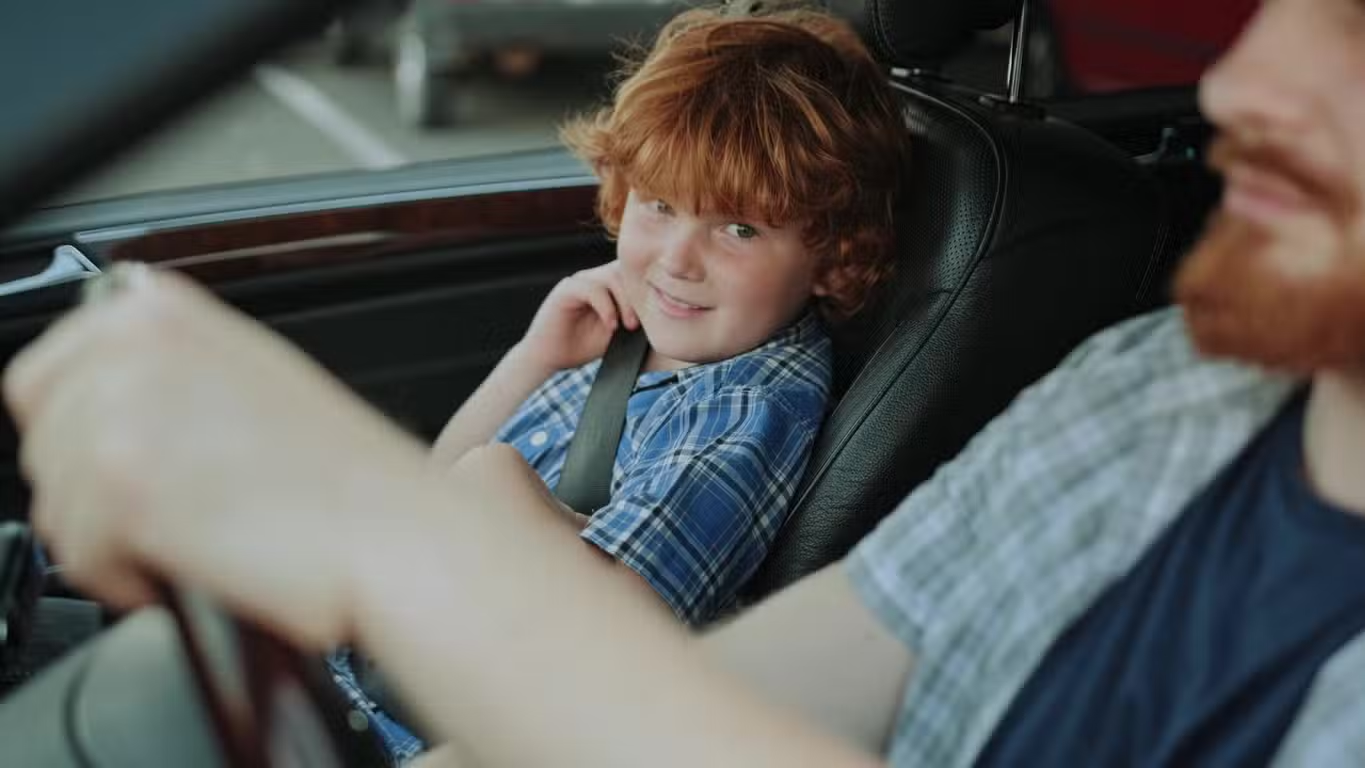
A driver rear-ends traffic on the 101 and says they were following navigation on a mounted phone. A witness says the phone was in the driver's hand and the driver was looking down. The police report notes possible distraction. The case now turns on whether the device was mounted, held, operated, and connected to delayed reaction.
What evidence and mistakes matter most?
Which 5 records prove phone distraction?
The strongest distracted-driving file combines witness observations with technical records.
- Get witness statements describing whether the phone was handheld, mounted, or on the seat.
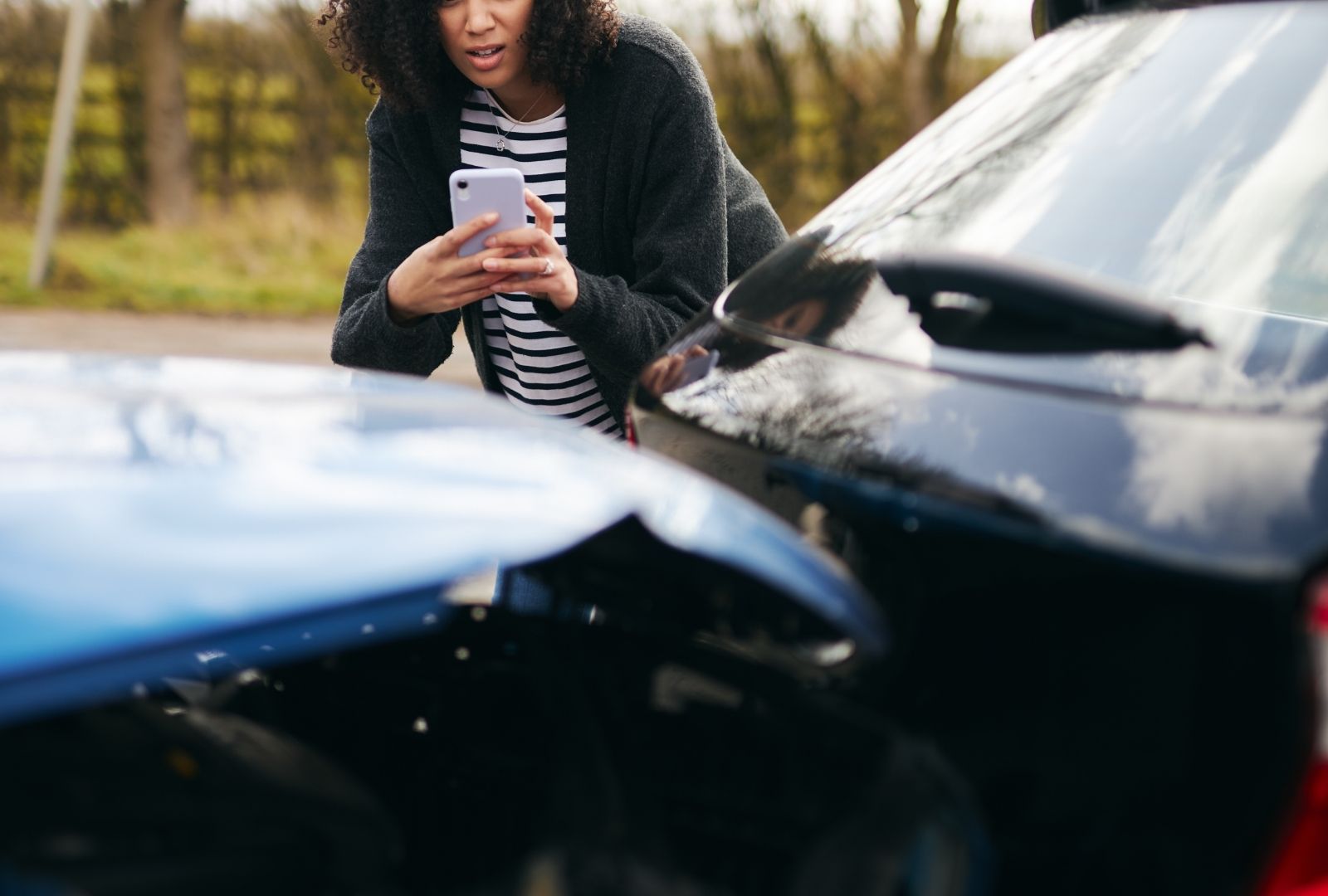
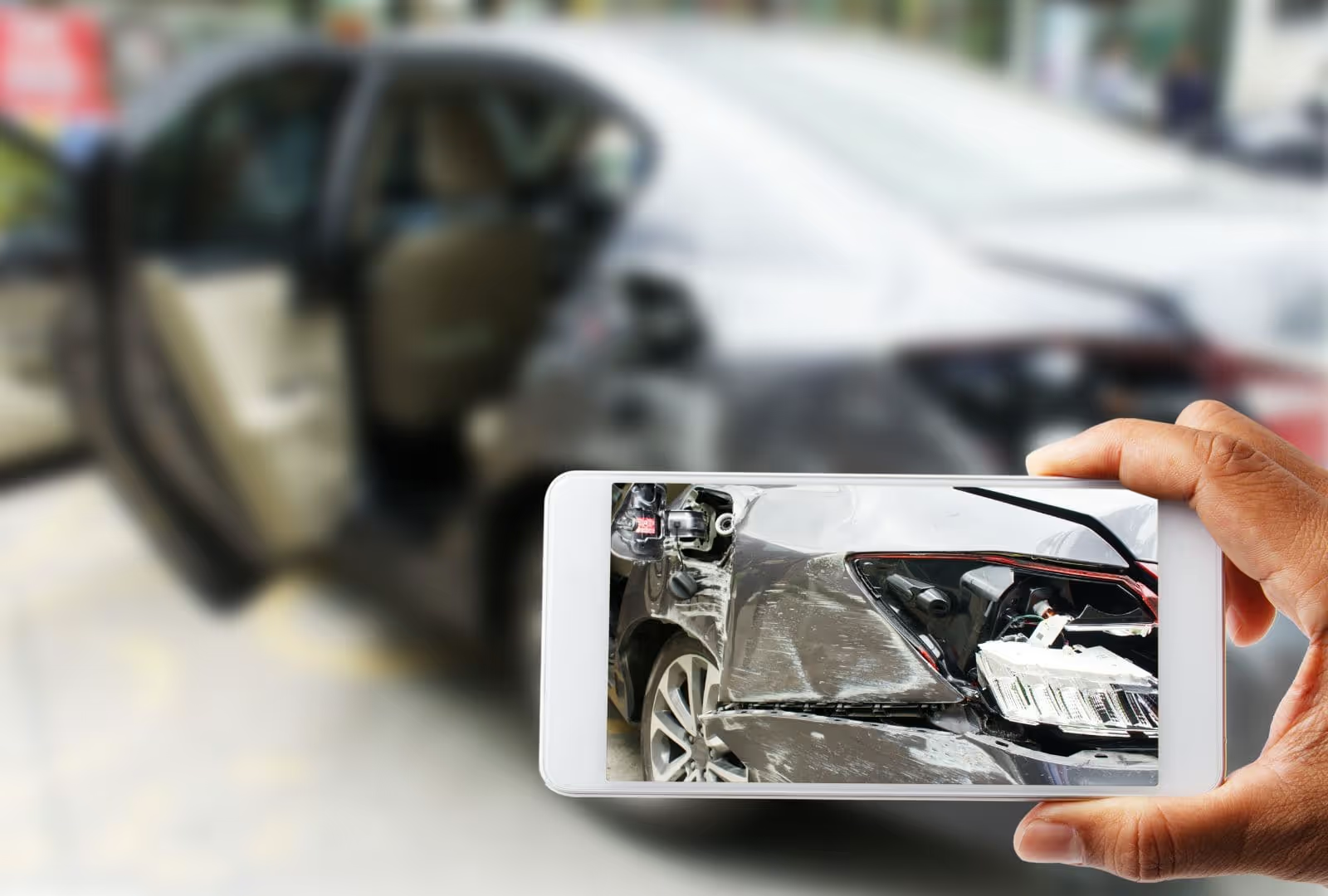
- Photograph the device mount, dashboard, windshield area, and vehicle interior.
- Save police citations, report notes, admissions, and body camera statements.
- Preserve phone records, app records, infotainment logs, and vehicle data when lawful.
- Compare damage, skid marks, braking evidence, and reaction timing.
Which 4 mistakes weaken a phone-use claim?
Phone-use claims weaken when distraction is described too broadly.
- Assume every touch of a phone is automatically illegal.
- Assume a technical exception proves the driver was careful.
- Wait to collect witness observations until memories fade.
- Ignore other distractions such as food, passengers, pets, or dashboard screens.
How should this issue be handled before negotiation?
This issue should be handled by converting the rule into a dated evidence checklist. The driver should identify the triggering fact, collect the document that proves it, and ask the insurer to explain any coverage, deadline, or valuation position in writing. A California car accident lawyer can organize this record before the insurer’s position hardens.
Which 4 questions should the file answer?
The file should answer 4 questions before any release, repair authorization, denial, or valuation is accepted.
- Identify the statute, policy term, deadline, or coverage limit that controls the issue.
- Locate the document that proves the trigger fact, such as coverage, timing, identity, permission, or value.
- Confirm which insurer, public entity, driver, owner, platform, or repair shop has the next deadline.
- Decide which missing record would change the claim value if it were obtained now.
What does this mean for settlement value?
Settlement value changes when the issue shifts the claim from ordinary fault to a rule-based proof dispute. The injured person may need to prove coverage, preserve rights, meet a deadline, or correct a valuation before damages are discussed.
Which follow-up steps create proof?
These follow-up steps create a usable record.
- Send a short follow-up email after each claim phone call.
- Compare each insurer reason with documents, photographs, policy language, and deadlines.
- Request written confirmation before signing a release, accepting payment, or authorizing repairs.
- Store every document in a dated claim folder instead of separate email threads.
- Update the timeline when treatment, repairs, inspections, or agency responses change.
- Ask for the specific evidence the adjuster still needs to finish the review.
- Preserve the vehicle, footage, forms, and correspondence before routine deletion or disposal.
Which related California accident issues matter too?
California Black Box Evidence can show braking, speed, and seat belt data that supports delayed-reaction theories. California Seat Belt Defense can affect damages if the injured person was unrestrained. California Lane Splitting Accidents often involve disputed visibility and driver attention. A California car accident lawyer can connect device evidence to the exact movement that caused the crash.
What should injured people do next?
Injured people should document distraction before the driver reframes the event as harmless navigation use. Names of witnesses, photos of the device setup, and written requests for records matter. The legal issue is not only whether a phone law was violated. The civil issue is whether the driver acted reasonably.

Michael Avanesian, the founder and driving force behind Avian Law Group, is a passionate and dedicated attorney with a strong background in personal injury law. As a partner at JT Legal Group, Michael led the growth of the personal injury practice from a single employee to a team of over ninety professionals, securing over $2 billion in settlements for clients in just three years.










.jpeg)

.jpeg)