
What does Proposition 213 do to an uninsured driver claim?
Proposition 213 can block an uninsured injured driver from recovering non-economic damages after a California motor vehicle crash. Medical bills, lost income, repair costs, and other economic losses can remain part of the claim, but pain, suffering, inconvenience, and emotional distress can disappear from settlement value.
Why does insurance status change damages instead of fault?
Insurance status changes damages because California Civil Code Section 3333.4 focuses on recoverable loss categories, not only crash responsibility. A negligent driver can cause the collision, while the injured uninsured driver still faces a statutory limit on human-loss damages.
What is a common California crash example?
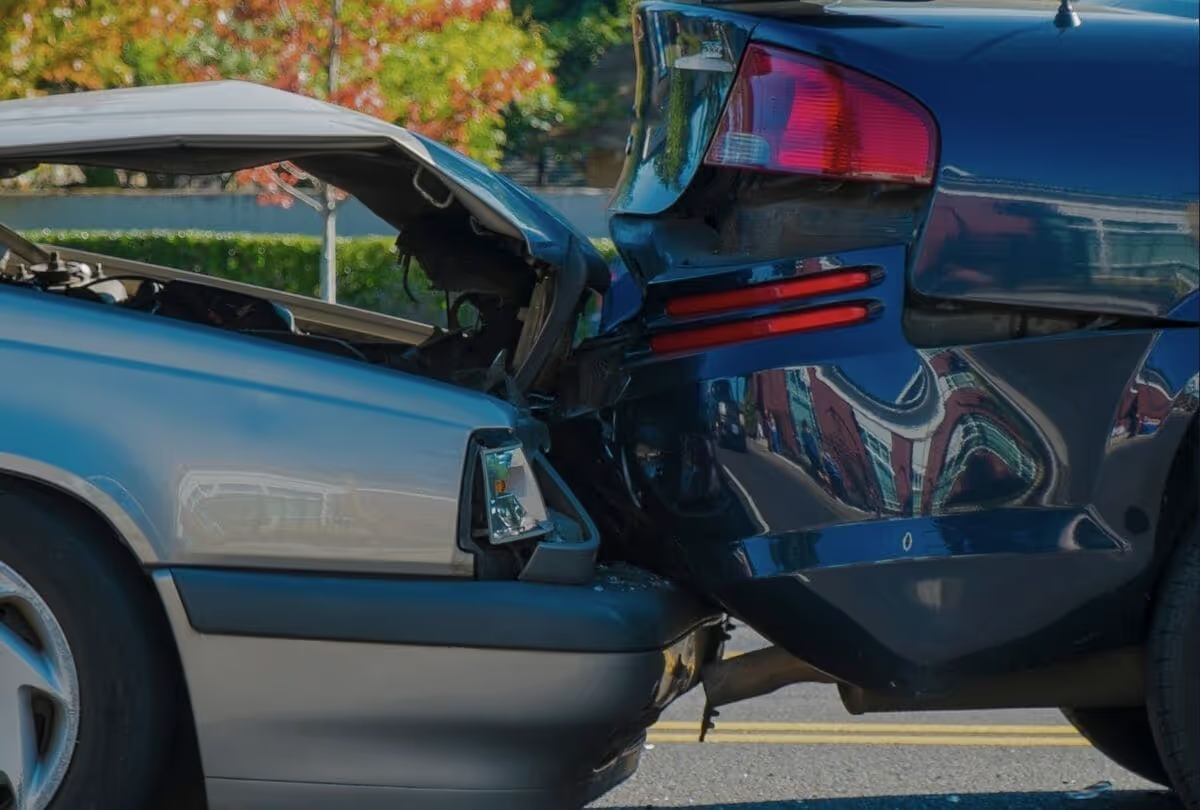
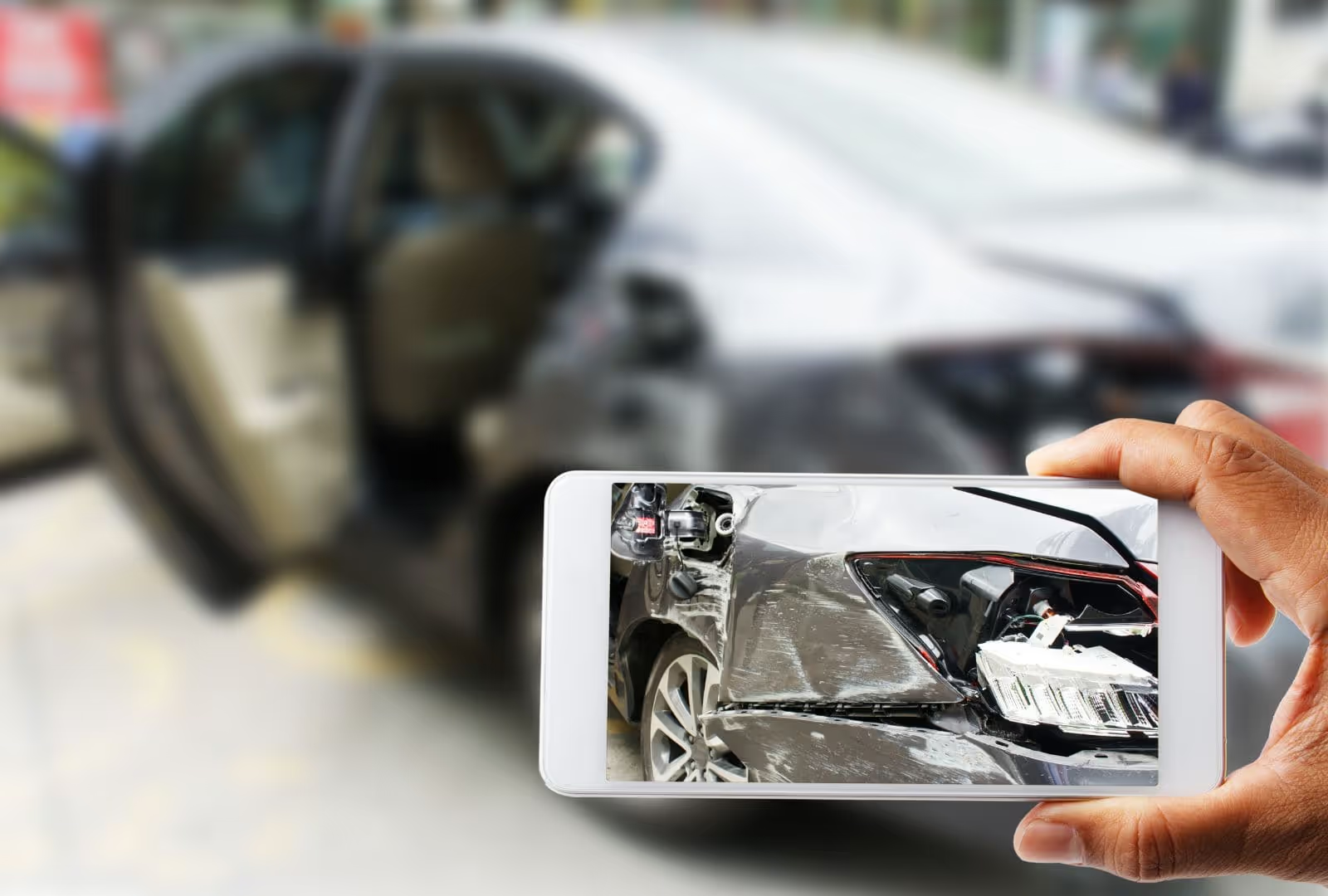
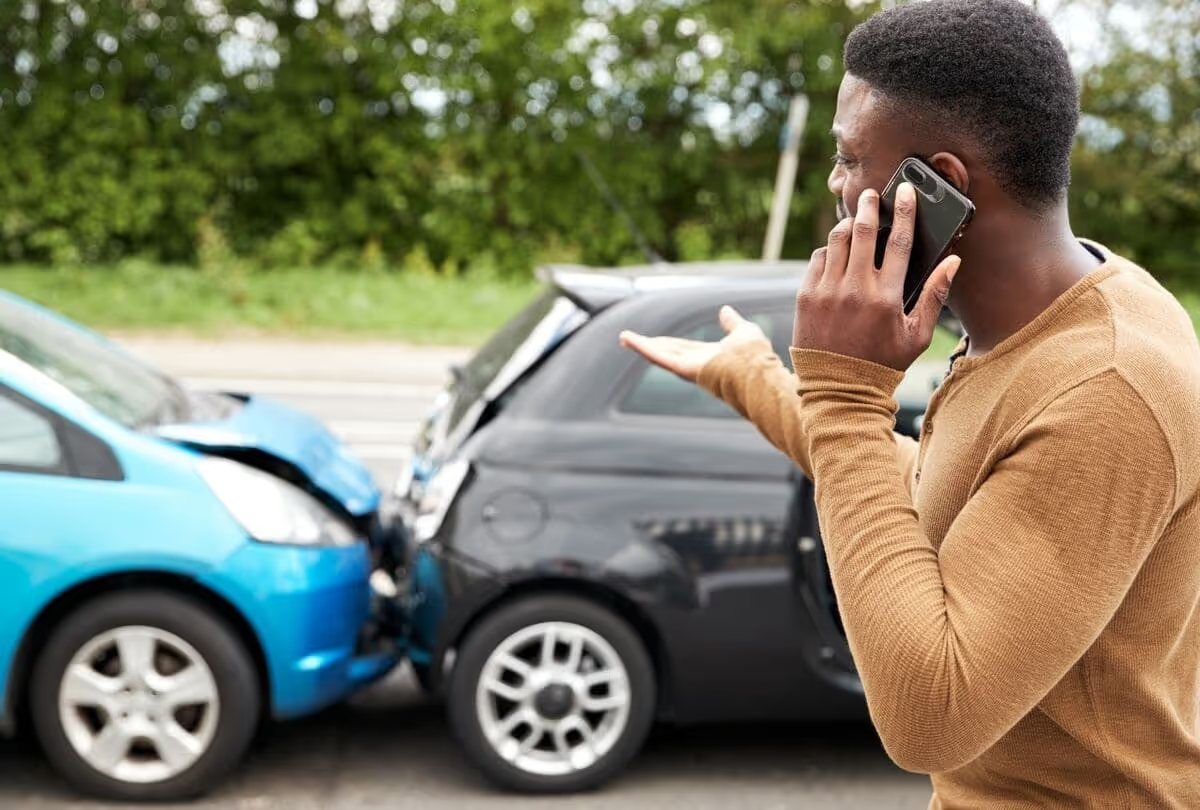
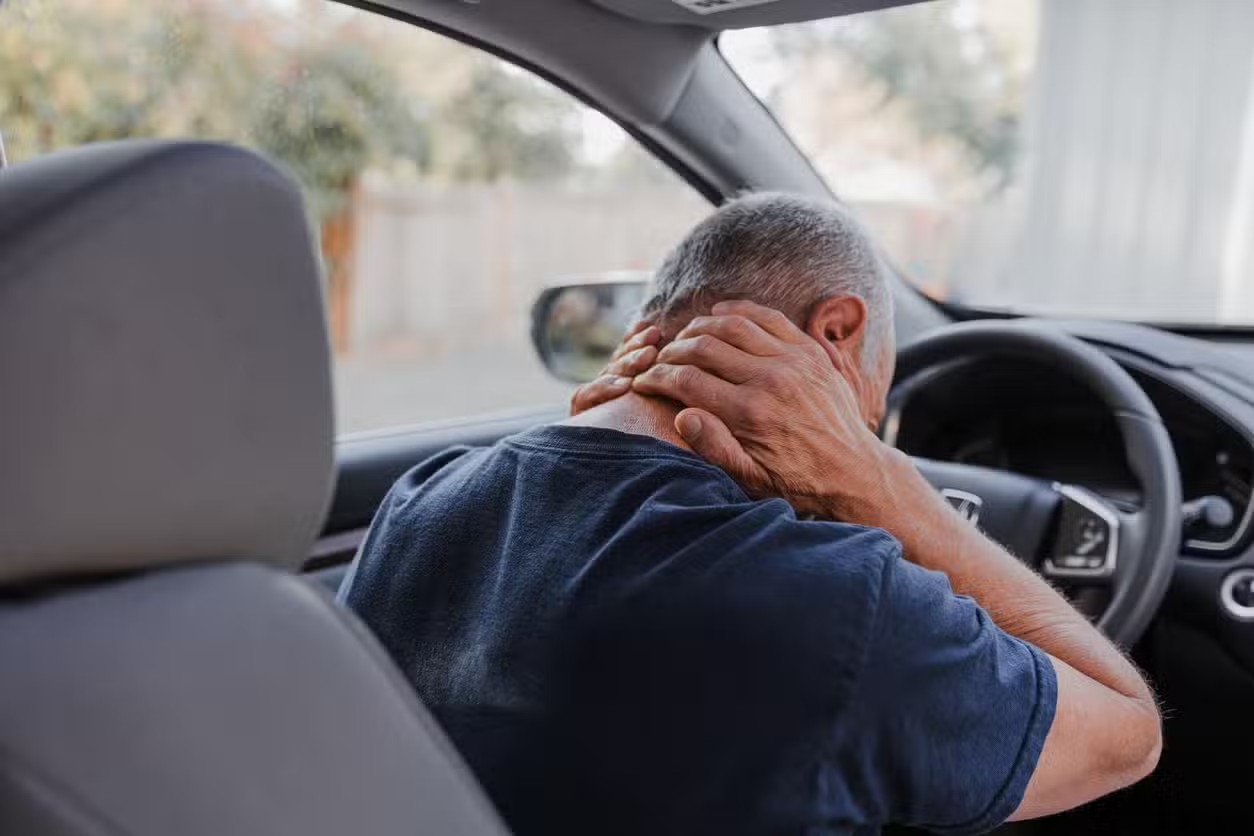
A rear-end crash shows the trap clearly. A Los Angeles driver stops at a red light, gets hit by a distracted driver, and suffers a neck injury. The police report supports fault against the distracted driver. The injured driver then learns that a lapsed policy can reduce the case by removing pain-and-suffering damages from the negotiation.
What evidence and mistakes matter most?
Which 4 records help preserve the claim?
The strongest response starts with documents that prove coverage, fault, and remaining losses.
- Save declarations pages, proof-of-insurance cards, renewal notices, and payment confirmations.
- Request the police report, exchange form, claim letters, and insurer coverage position.
- Preserve medical bills, wage records, mileage logs, and out-of-pocket receipts.
- Identify facts that create exceptions, including a defendant's DUI conviction tied to the crash.
Which 4 mistakes reduce leverage?
The biggest mistakes leave the insurer with an uncontested coverage story.
- Assume clear fault automatically protects every damages category.
- Ignore a cancellation, lapse, or nonpayment allegation instead of checking the file.
- Treat non-economic damages and economic damages as the same issue.
- Wait until settlement talks to gather insurance records from the accident date.
How should this issue be handled before negotiation?
This issue should be handled by converting the rule into a dated evidence checklist. The driver should identify the triggering fact, collect the document that proves it, and ask the insurer to explain any coverage, deadline, or valuation position in writing. A California car accident lawyer can organize this record before the insurer’s position hardens.
Which 4 questions should the file answer?
The file should answer 4 questions before any release, repair authorization, denial, or valuation is accepted.
- Identify the statute, policy term, deadline, or coverage limit that controls the issue.
- Locate the document that proves the trigger fact, such as coverage, timing, identity, permission, or value.
- Confirm which insurer, public entity, driver, owner, platform, or repair shop has the next deadline.
- Decide which missing record would change the claim value if it were obtained now.
What does this mean for settlement value?
Settlement value changes when the issue shifts the claim from ordinary fault to a rule-based proof dispute. The injured person may need to prove coverage, preserve rights, meet a deadline, or correct a valuation before damages are discussed.
Which follow-up steps create proof?
These follow-up steps create a usable record.
- Send a short follow-up email after each claim phone call.
- Compare each insurer reason with documents, photographs, policy language, and deadlines.
- Request written confirmation before signing a release, accepting payment, or authorizing repairs.
- Store every document in a dated claim folder instead of separate email threads.
- Update the timeline when treatment, repairs, inspections, or agency responses change.
Which related California accident issues matter too?
Proposition 213 connects to coverage planning because California 30/60/15 Insurance Minimums explains why small policies can leave large losses unpaid. California SR-1 Form covers the DMV reporting step that still matters after insured and uninsured crashes. California UMPD vs Collision Coverage explains why vehicle damage can follow a different coverage path than injury damages. A California car accident lawyer can review the coverage record before an adjuster turns the lapse issue into a settlement discount.
What should an uninsured injured driver do next?
An uninsured injured driver should build a dated file before accepting the insurer's valuation. Keep proof of coverage attempts, obtain all policy correspondence, document economic losses, and separate legal fault from recoverable damages. The rule is technical, but the practical lesson is direct: coverage evidence belongs at the start of the claim, not at the end.

Michael Avanesian, the founder and driving force behind Avian Law Group, is a passionate and dedicated attorney with a strong background in personal injury law. As a partner at JT Legal Group, Michael led the growth of the personal injury practice from a single employee to a team of over ninety professionals, securing over $2 billion in settlements for clients in just three years.










.jpeg)

.jpeg)