
Can a California insurer force a specific body shop?
A California insurer cannot force a vehicle owner to use one specific body shop. The insurer can recommend a preferred repair facility and explain its program, but shop choice belongs to the consumer. The insurer can still dispute unreasonable charges or unsupported repairs.
Why do preferred shop programs create pressure?
Preferred shop programs create pressure because they can be presented as faster, easier, or guaranteed. Those benefits can be real, but they are options, not commands. The consumer should understand the difference between a recommendation and a requirement before authorizing repairs.
What is a common California repair example?
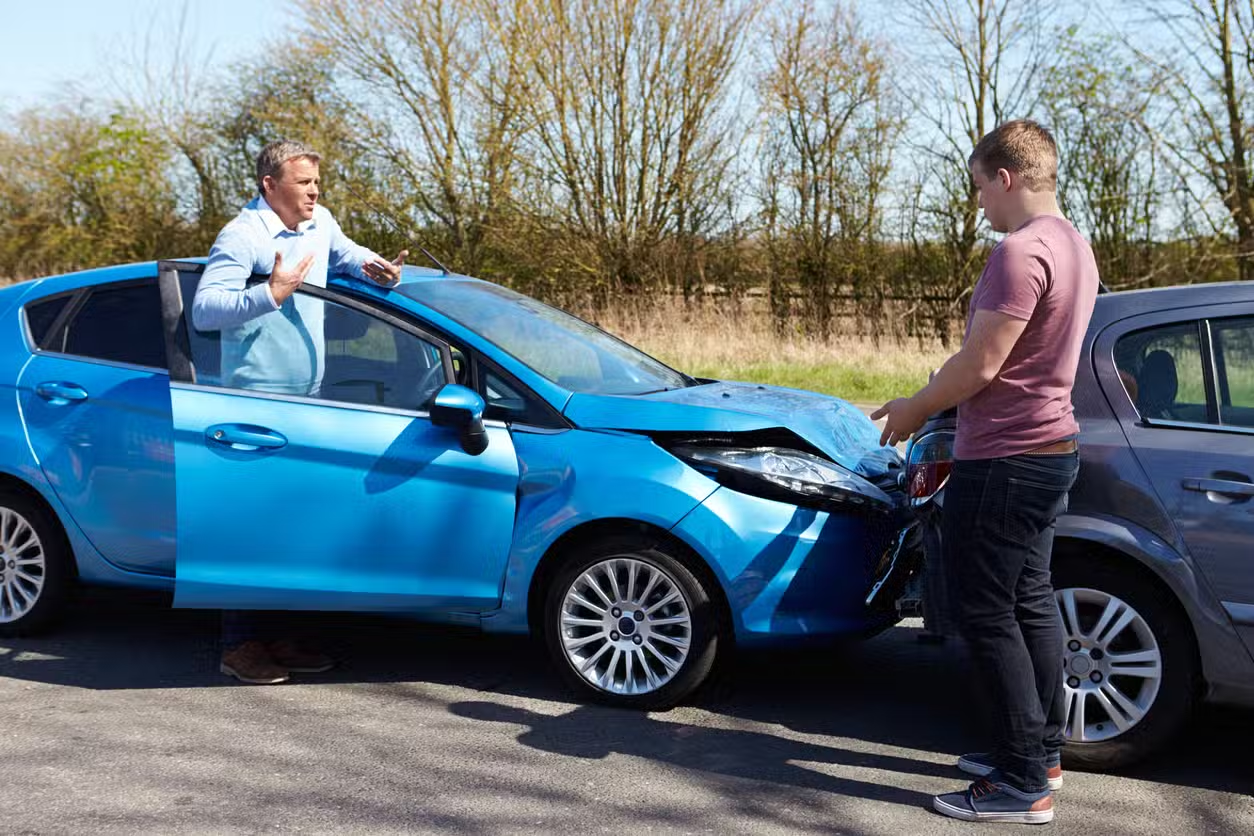
A Sacramento driver chooses a trusted family-owned shop after a crash. The insurer says its network shop can start sooner and says the chosen estimate is high. The real issue is not whether the insurer can force a shop. The real issue is whether the estimate, labor, parts, storage, rental, and supplements are documented.
What evidence and mistakes matter most?
Which 5 records protect repair-shop choice?
A strong repair file documents both the damage and the insurer's statements.
- Keep the initial estimate, supplemental estimates, final invoice, and payment record.
- Save written statements about preferred shops, guarantees, and alleged requirements.
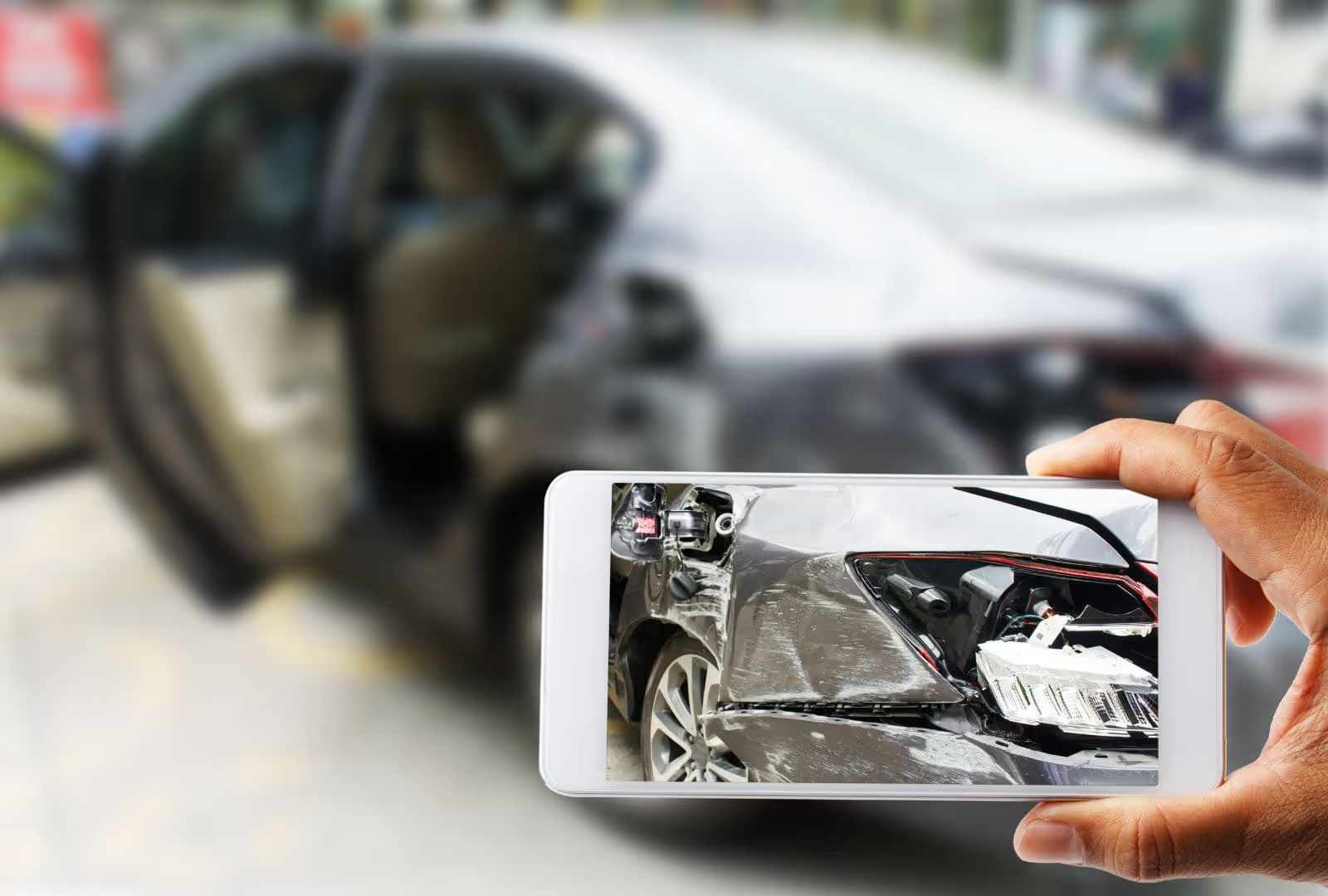
- Photograph visible damage, teardown damage, part labels, and completed repairs.
- Identify OEM, aftermarket, recycled, or reconditioned parts in the estimate.
- Track rental, towing, storage, diagnostic, and calibration charges.
Which 4 mistakes create repair disputes?
Repair disputes grow when drivers authorize work without controlling the record.
- Believe a preferred shop is mandatory because an adjuster recommends it.
- Ignore storage charges while estimates are being reviewed.
- Skip itemized parts descriptions and supplement approvals.
- Assume shop choice means the insurer must pay any price the shop quotes.
How should this issue be handled before negotiation?
This issue should be handled by converting the rule into a dated evidence checklist. The driver should identify the triggering fact, collect the document that proves it, and ask the insurer to explain any coverage, deadline, or valuation position in writing. An insurance claim dispute lawyer can organize this record before the insurer’s position hardens.
Which 4 questions should the file answer?
The file should answer 4 questions before any release, repair authorization, denial, or valuation is accepted.
- Identify the statute, policy term, deadline, or coverage limit that controls the issue.
- Locate the document that proves the trigger fact, such as coverage, timing, identity, permission, or value.
- Confirm which insurer, public entity, driver, owner, platform, or repair shop has the next deadline.
- Decide which missing record would change the claim value if it were obtained now.
What does this mean for settlement value?
Settlement value changes when the issue shifts the claim from ordinary fault to a rule-based proof dispute. The injured person may need to prove coverage, preserve rights, meet a deadline, or correct a valuation before damages are discussed.
Which follow-up steps create proof?
These follow-up steps create a usable record.
- Send a short follow-up email after each claim phone call.
- Compare each insurer reason with documents, photographs, policy language, and deadlines.
- Request written confirmation before signing a release, accepting payment, or authorizing repairs.
- Store every document in a dated claim folder instead of separate email threads.
- Update the timeline when treatment, repairs, inspections, or agency responses change.
- Ask for the specific evidence the adjuster still needs to finish the review.
- Preserve the vehicle, footage, forms, and correspondence before routine deletion or disposal.
Which related California accident issues matter too?
California Total Loss Disputes explains what happens when repair costs approach or exceed vehicle value. California 40-Day Insurance Claim Rule helps consumers track written insurer responses during repair delays. California UMPD vs Collision Coverage explains how the available property-damage coverage affects the repair path. An insurance claim dispute lawyer can review pressure tactics, estimate disputes, and documentation before the repair file becomes a stalemate.
What should vehicle owners do next?
Vehicle owners should choose the shop they trust, read the estimate line by line, and ask written questions about parts, warranties, supplements, storage, and rental timing. A preferred shop can be convenient. It should not be treated as the only permissible repair option.

Michael Avanesian, the founder and driving force behind Avian Law Group, is a passionate and dedicated attorney with a strong background in personal injury law. As a partner at JT Legal Group, Michael led the growth of the personal injury practice from a single employee to a team of over ninety professionals, securing over $2 billion in settlements for clients in just three years.









.jpeg)

.jpeg)