
What is a California total loss dispute?
A California total loss dispute is a fight over whether the insurer's vehicle valuation reflects a comparable automobile. The insurer's number should be supported by data, not a guess. Year, make, model, trim, mileage, options, condition, location, taxes, and fees can all affect the settlement.
Why is the first total loss offer not always final?
The first total loss offer is not always final because valuation reports can contain fixable errors. The trim can be wrong, options can be missing, mileage can be misread, condition deductions can be unsupported, or comparable vehicles can come from weak markets. The best challenge identifies specific defects.
What is a common California valuation example?
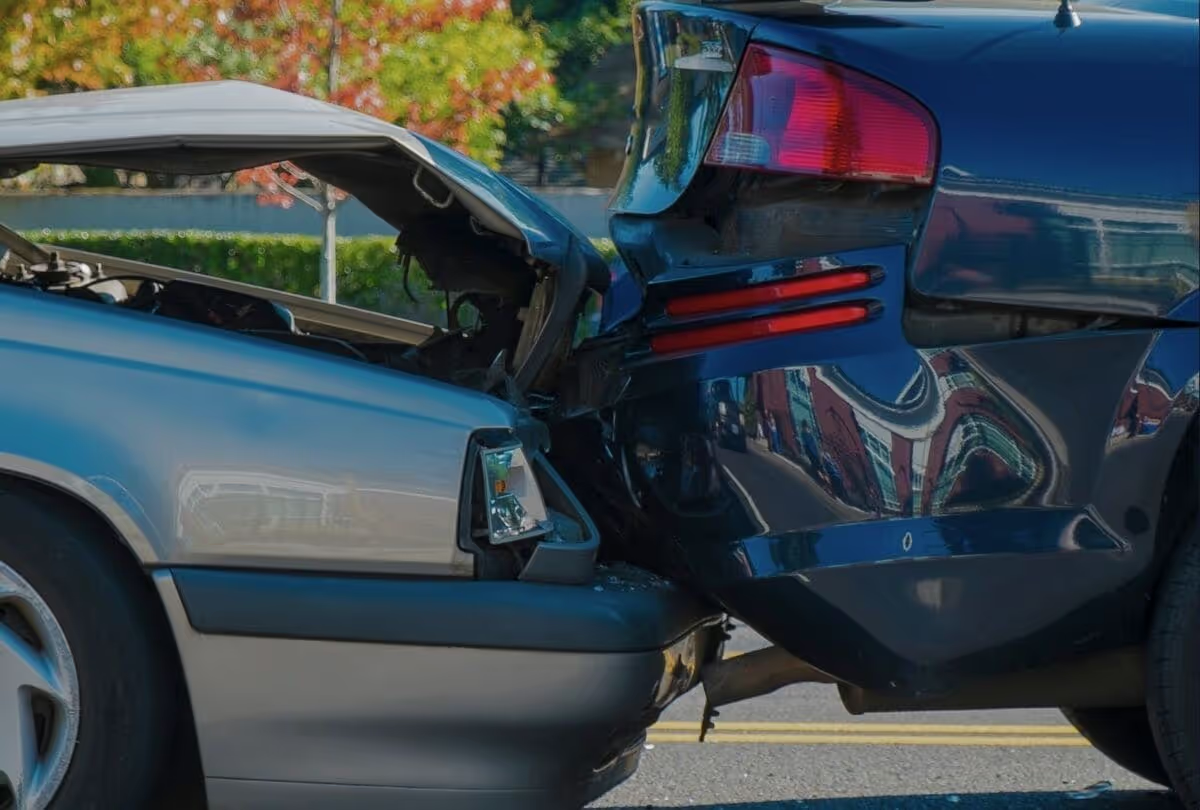
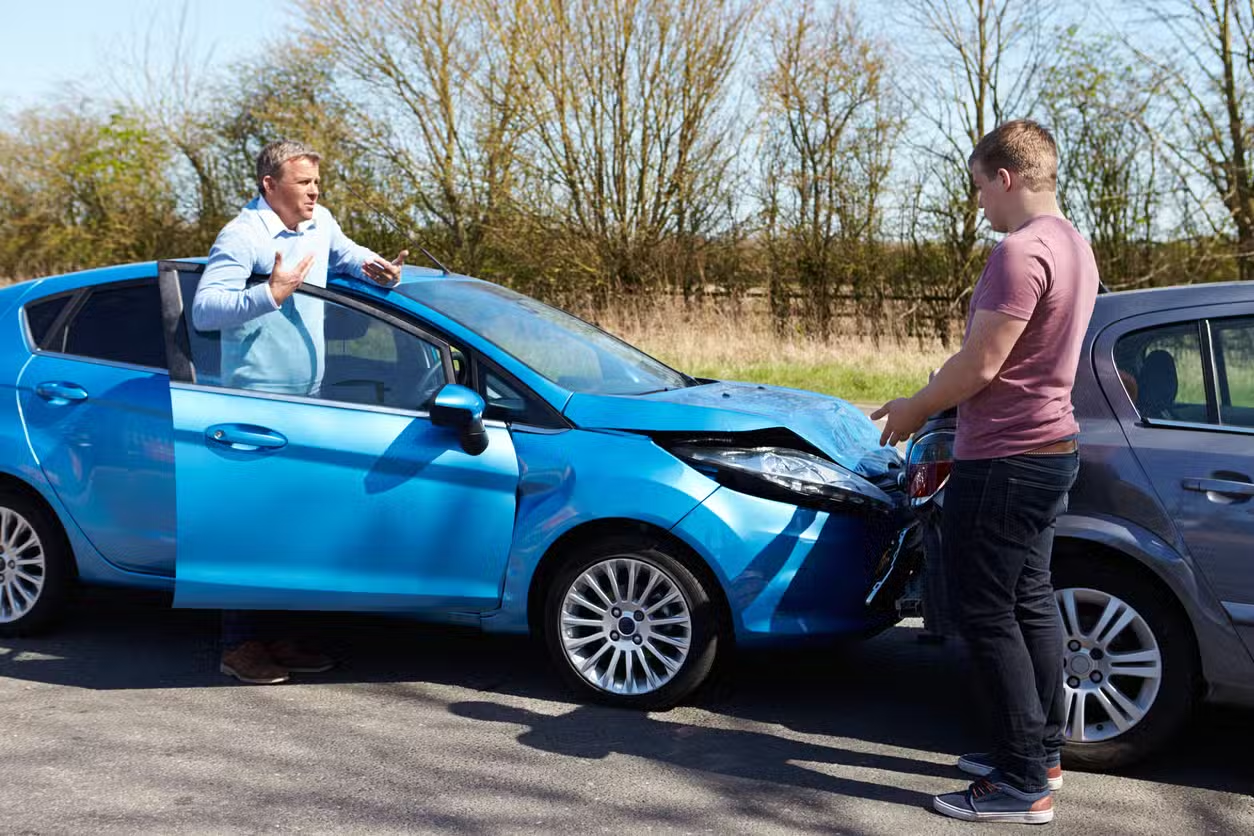
A San Diego driver loses a 6-year-old SUV with low mileage, upgraded safety features, and recent tires. The insurer uses higher-mileage comparables with fewer options. The driver finds local listings that match the trim and mileage more closely. The dispute becomes a document issue: which vehicles are truly comparable?
What evidence and mistakes matter most?
Which 5 records support a higher valuation?
The strongest response compares the insurer's report with better market proof.
- Request the full total loss valuation report and itemized explanation.
- Save local comparable listings with matching trim, mileage, options, and condition.
- Preserve pre-crash photos, interior photos, window stickers, and option lists.
- Gather maintenance records, tire invoices, upgrade receipts, and repair history.
- Keep loan payoff, registration, tax, title, transfer-fee, and rental documents.
Which 4 mistakes reduce a valuation challenge?
Valuation challenges fail when they rely on general unfairness instead of data.
- Accept the offer without checking trim, options, mileage, and condition adjustments.
- Use distant or mismatched listings as comparables.
- Forget taxes, transfer fees, and required itemization.
- Let rental coverage expire while the dispute sits without written follow-up.
How should this issue be handled before negotiation?
This issue should be handled by converting the rule into a dated evidence checklist. The driver should identify the triggering fact, collect the document that proves it, and ask the insurer to explain any coverage, deadline, or valuation position in writing. An insurance claim dispute lawyer can organize this record before the insurer’s position hardens.
Which 4 questions should the file answer?
The file should answer 4 questions before any release, repair authorization, denial, or valuation is accepted.
- Identify the statute, policy term, deadline, or coverage limit that controls the issue.
- Locate the document that proves the trigger fact, such as coverage, timing, identity, permission, or value.
- Confirm which insurer, public entity, driver, owner, platform, or repair shop has the next deadline.
- Decide which missing record would change the claim value if it were obtained now.
What does this mean for settlement value?
Settlement value changes when the issue shifts the claim from ordinary fault to a rule-based proof dispute. The injured person may need to prove coverage, preserve rights, meet a deadline, or correct a valuation before damages are discussed.
Which follow-up steps create proof?
These follow-up steps create a usable record.
- Send a short follow-up email after each claim phone call.
- Compare each insurer reason with documents, photographs, policy language, and deadlines.
- Request written confirmation before signing a release, accepting payment, or authorizing repairs.
- Store every document in a dated claim folder instead of separate email threads.
- Update the timeline when treatment, repairs, inspections, or agency responses change.
- Ask for the specific evidence the adjuster still needs to finish the review.
Which related California accident issues matter too?
California Body Shop Choice explains how repair estimates and supplements can lead into a total loss decision. California 40-Day Insurance Claim Rule helps owners track written claim responses while valuation evidence is submitted. California UMPD vs Collision Coverage explains why the available property-damage coverage can limit payment even when the value is higher. An insurance claim dispute lawyer can organize valuation proof before the salvage process moves too far.
What should owners do next?
Owners should treat a total loss offer like a spreadsheet that can be audited. Ask for the basis, verify every vehicle detail, submit better comparables, and keep communications in writing. The strongest argument is not that the offer feels low. The strongest argument is that the data supports a corrected number.

Michael Avanesian, the founder and driving force behind Avian Law Group, is a passionate and dedicated attorney with a strong background in personal injury law. As a partner at JT Legal Group, Michael led the growth of the personal injury practice from a single employee to a team of over ninety professionals, securing over $2 billion in settlements for clients in just three years.








.jpeg)

.jpeg)