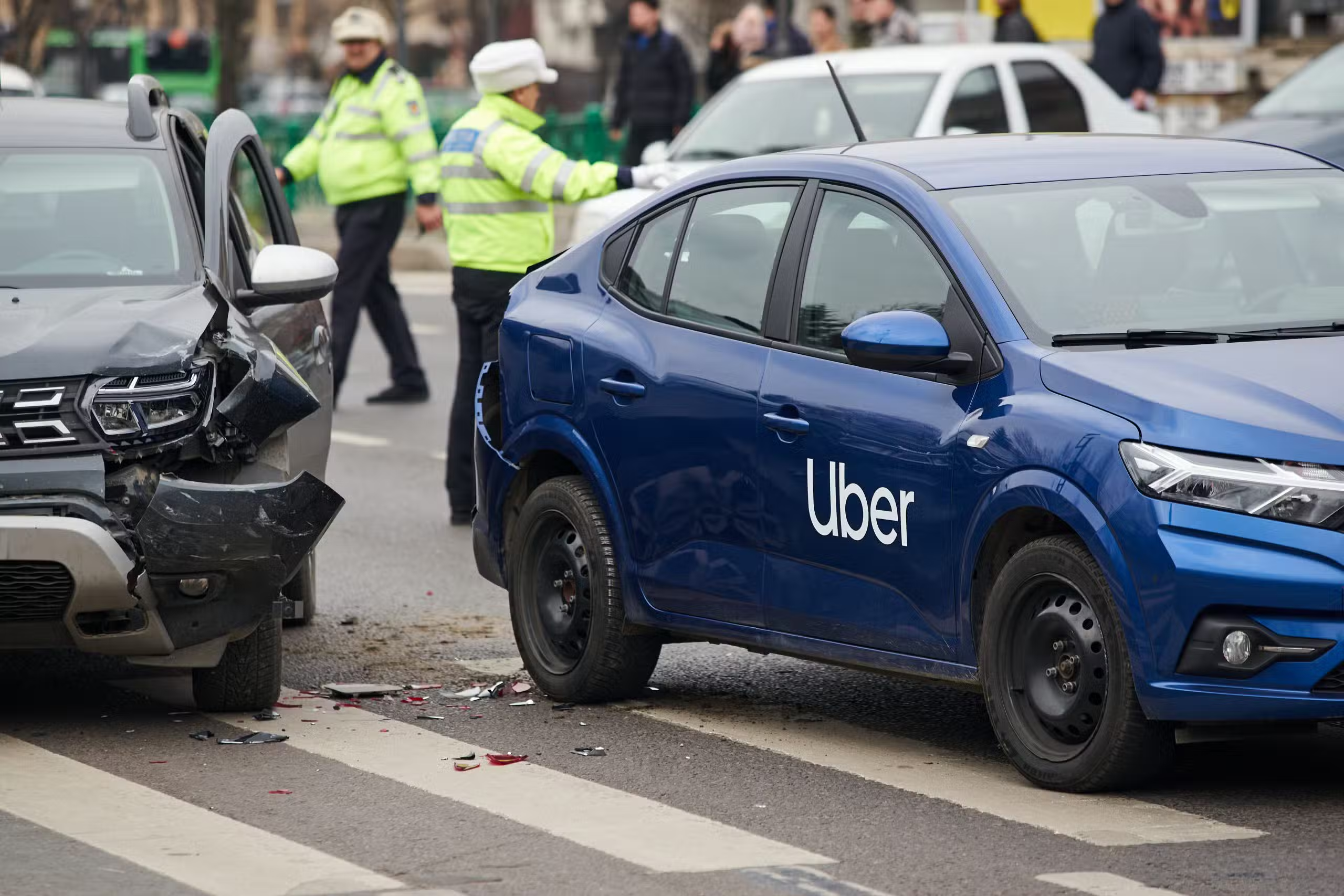

Determining liability in an Uber or Lyft accident involves different rules than traditional car crashes. Because rideshare drivers use personal vehicles while working for large companies, multiple parties may be responsible, depending on when and how the accident occurred.
Understanding Rideshare Driver Status
Rideshare companies like Uber and Lyft classify drivers as independent contractors, not employees. This allows them to shift much of the liability away from the company. However, both companies carry commercial liability policies that apply under certain conditions.
There are three key time periods that determine which insurance policy applies:
Period 0: App Off
- The driver is not logged into the app
- Only the driver’s personal auto insurance applies
- Uber and Lyft are not liable
Period 1: App On, No Ride Accepted
- The driver is available but hasn’t accepted a ride
- Uber/Lyft provides limited liability coverage (usually $50,000 per person, $100,000 per accident for bodily injury, and $25,000 for property damage)
- The driver’s personal insurance may also apply
Period 2: Ride Accepted, En Route to Pick Up
Period 3: Passenger in the Vehicle
- Uber/Lyft provides up to $1 million in liability coverage
- This coverage includes uninsured/underinsured motorist protection
- It remains active until the passenger exits the vehicle
A qualified rideshare accident attorney can determine which period was active at the time of the crash and which policy should apply.
Who Can Be Held Liable?
Liability can fall on multiple parties:
- The rideshare driver if they were negligent (e.g., distracted driving, running a red light)
- Another driver if they caused the collision
- Uber or Lyft through their insurance policy if the driver was logged in or transporting a passenger
- A third party such as a vehicle manufacturer (in cases involving mechanical failure) or government agency (if poor road conditions contributed)
Each scenario requires a careful review of driver logs, trip data, accident reports, and insurance policies.
Common Types of Uber/Lyft Accidents
- Rideshare driver hits another vehicle while transporting a passenger
- Rideshare passenger injured due to another driver’s negligence
- Pedestrian or cyclist hit by a rideshare driver
- Multi-vehicle crashes involving a rideshare car
Each type has different implications for fault and insurance coverage. Your legal team will investigate the circumstances to identify all liable parties and insurance policies.
What to Do After a Rideshare Accident
- Call 911 – Always report the crash and request emergency help if needed.
- Take photos – Document vehicle damage, injuries, road conditions, and rideshare app screens.
- Gather information – Get contact and insurance details from all drivers involved, plus witness information.
- Report the accident – Notify Uber or Lyft via the app.
- Seek medical attention – Even minor injuries should be examined and documented.
- Contact a lawyer – A rideshare accident attorney can preserve evidence and handle insurance negotiations.
Challenges in Rideshare Accident Claims
- Multiple insurers involved: Sorting out liability between personal auto insurance and rideshare company policies can delay claims.
- Independent contractor status: Uber and Lyft often argue they are not directly responsible for driver behavior.
- Policy exclusions: Some personal auto policies do not cover commercial driving unless rideshare endorsements are added.
- Low settlement offers: Insurers often attempt to minimize payouts for injured passengers or third parties.
Legal representation ensures these tactics don’t interfere with your recovery.

Resources for Injured Passengers or Drivers
If you’ve been injured in a rideshare accident, Avian Law Group’s legal resources offer guidance on:
- Rideshare liability frameworks
- Policy limits
- Medical documentation needs
- Claim filing deadlines
These resources help you understand your options and the compensation you may be entitled to.
Frequently Asked Questions
What if I was a passenger and the rideshare driver caused the accident?
You can typically file a claim under Uber or Lyft’s $1 million policy, which is active during the ride. This covers both bodily injury and property damage.
What if another driver caused the accident while I was in an Uber/Lyft?
You can pursue a claim against the at-fault driver’s insurance. If their coverage is insufficient, Uber/Lyft’s uninsured/underinsured motorist policy may apply.
Can I sue Uber or Lyft directly?
It’s difficult but not impossible. Since drivers are classified as independent contractors, the companies typically shield themselves from direct liability. However, a lawyer may argue for negligence in hiring, app design, or policy enforcement in certain situations.
Final Thought
Liability in Uber and Lyft accidents depends on timing, driver status, and how the accident occurred. With multiple insurance policies and legal gray areas, these cases require in-depth investigation and strategic planning. A skilled rideshare accident attorney can help you navigate the complexities, deal with the insurance companies, and secure the compensation you deserve.

Michael Avanesian, the founder and driving force behind Avian Law Group, is a passionate and dedicated attorney with a strong background in personal injury law. As a partner at JT Legal Group, Michael led the growth of the personal injury practice from a single employee to a team of over ninety professionals, securing over $2 billion in settlements for clients in just three years.