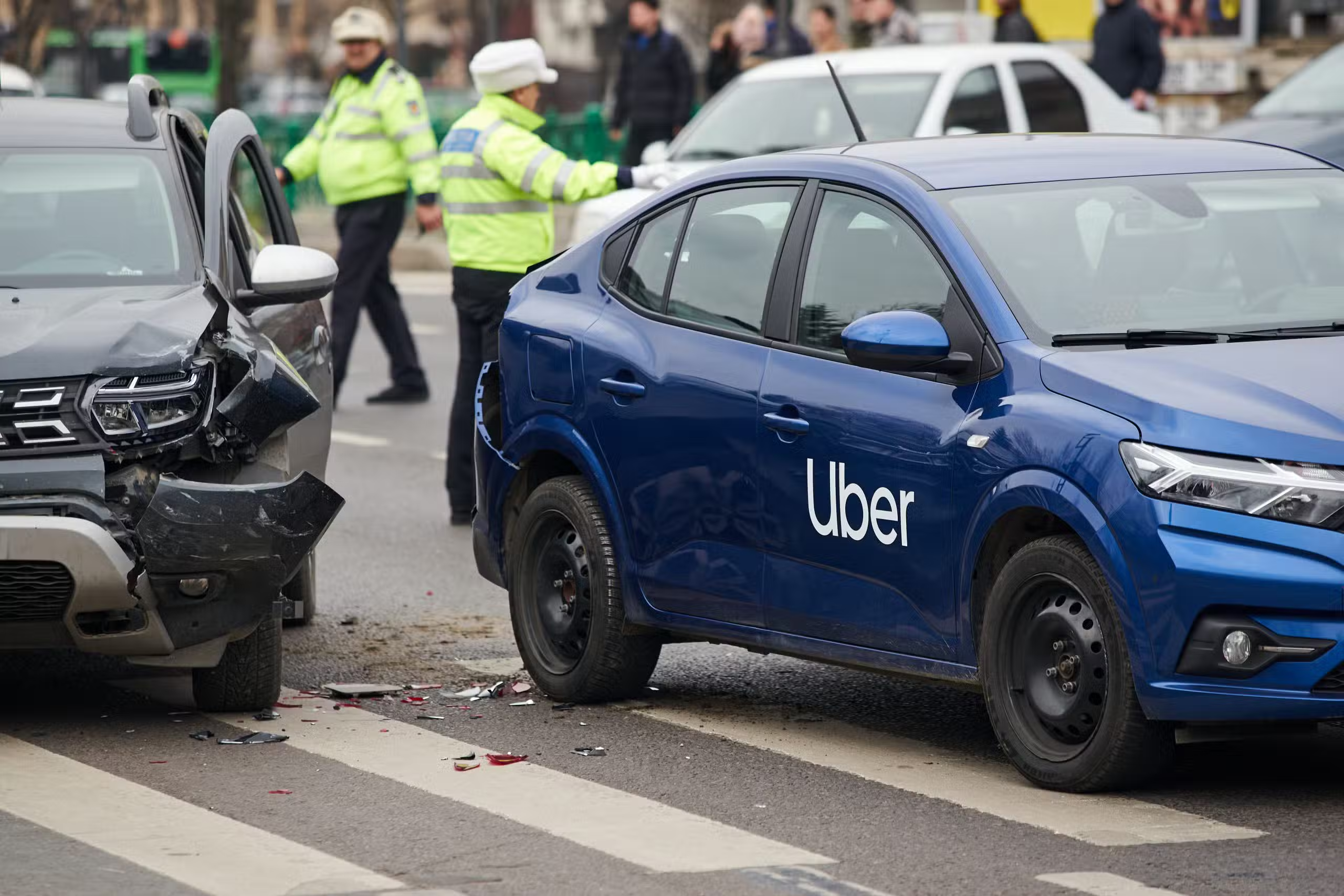

Navigating insurance after an accident involving a rideshare vehicle, scooter, or e-bike requires understanding which policies apply, how coverage changes based on the situation, and what evidence insurers need to process a claim. Because these accidents involve multiple parties and layered insurance structures, knowing where coverage comes from helps you avoid delays and secure full compensation.
Why Is Insurance More Complicated for Rideshare, Scooter, and E-Bike Accidents?
To understand the complexity, recognize that these accidents often involve multiple overlapping insurance policies. Coverage may come from the rideshare driver, the rideshare company, the scooter or e-bike rental service, a third-party driver, or your own insurance. Each policy activates under specific conditions, and insurers frequently dispute responsibility to reduce payouts. This makes documentation and accurate reporting essential during insurance claims reviews.
What Insurance Applies in a Rideshare Accident?
To identify the correct policy, determine whether the rideshare driver was logged into the app and whether a trip was active.
Rideshare insurance typically follows these stages:
- Driver not logged in: Only the driver’s personal auto insurance applies.
- Driver logged in but no passenger: Limited liability coverage from the rideshare company may apply.
- Passenger in the car or en route to pickup: Up to $1 million in liability coverage often applies.
Passengers usually receive the strongest protection because they are not responsible for operating the vehicle. Linking your claim to rideshare accidents helps confirm the correct policy tier.
What If Another Driver Caused the Rideshare Crash?
To determine responsibility, check the police report and eyewitness accounts. If a third-party driver caused the accident, their auto insurance becomes responsible. If that policy does not offer enough coverage, the rideshare company’s underinsured/uninsured motorist policy fills the gap.
What Insurance Applies in an E-Bike or Scooter Accident?
To understand coverage for scooters and e-bikes, identify whether the device was privately owned or rented. Most rental companies offer limited insurance that may or may not apply depending on the rider’s compliance with app rules. Privately owned devices typically rely on the rider’s personal insurance.
Coverage may involve:
- Homeowners or renters insurance for personal liability
- Rental company coverage, if provided
- Auto insurance, if a vehicle caused the crash
- Personal health insurance for medical bills
Accidents involving e-bike and scooter accidents require careful evaluation because riders often assume coverage exists when it may not.
Does Auto Insurance Cover Scooter and E-Bike Collisions?
To determine whether auto insurance applies, examine who caused the crash. If a car hit a scooter or e-bike rider, the driver’s auto insurance typically covers medical bills, lost wages, property damage, and pain and suffering. Collision coverage may apply if a rider damages your vehicle.
What If You Are Hit by an Uninsured or Underinsured Driver?
To stay protected, check your own auto insurance policy for uninsured/underinsured motorist (UM/UIM) coverage. This coverage may apply even if you were riding a scooter or e-bike at the time, depending on state rules and policy language.
What If the Scooter or E-Bike Malfunctioned?
To determine whether the device caused the accident, inspect it for mechanical or electrical issues. Malfunctions such as failing brakes, loose handlebars, sudden power loss, or battery problems may shift fault to the rental company or manufacturer. Product liability claims often require more technical documentation, including photos and maintenance logs.
Does Health Insurance Cover Injuries from These Accidents?
To clarify medical coverage, understand that your health insurance can cover treatment regardless of fault. However, if another party is responsible, your health insurer may seek reimbursement from any settlement you receive.
What Evidence Helps Determine Which Insurance Applies?
To organize the claim correctly, gather evidence that shows how the accident occurred and which parties were involved.
Critical evidence includes:
- Police reports
- Photos of the scene and injuries
- Screenshots of the rideshare or scooter app showing trip details
- Witness statements
- Device ID numbers for scooters or e-bikes
- Medical evaluations
- Dashcam or street-camera footage
Clear documentation helps resolve disputes and ensures insurers apply the correct coverage.
How Do You Start the Claims Process After These Accidents?
To begin, notify all potentially involved insurers. Rideshare companies require app-based incident reports, while scooter rental companies have in-app or email reporting procedures. Auto insurers require prompt notice to avoid denial. Provide basic facts only until you receive legal guidance.
How Do Lawyers Improve Outcomes in These Multi-Policy Cases?
To secure full compensation, attorneys identify all possible sources of insurance, determine which policies overlap, and dispute attempts by insurers to shift blame. Lawyers experienced in rideshare accidents, scooter injuries, and complex liability cases coordinate communication and ensure no available coverage is overlooked.
Final Takeaway
After a rideshare, scooter, or e-bike accident, insurance coverage depends on app activity, device ownership, state laws, and fault. Victims often deal with several insurers at once, each evaluating responsibility differently. Clear evidence, prompt reporting, and legal guidance from an experienced rideshare accident attorney ensure the correct coverage applies and that you receive full compensation for medical bills, lost income, and pain and suffering.

Michael Avanesian, the founder and driving force behind Avian Law Group, is a passionate and dedicated attorney with a strong background in personal injury law. As a partner at JT Legal Group, Michael led the growth of the personal injury practice from a single employee to a team of over ninety professionals, securing over $2 billion in settlements for clients in just three years.