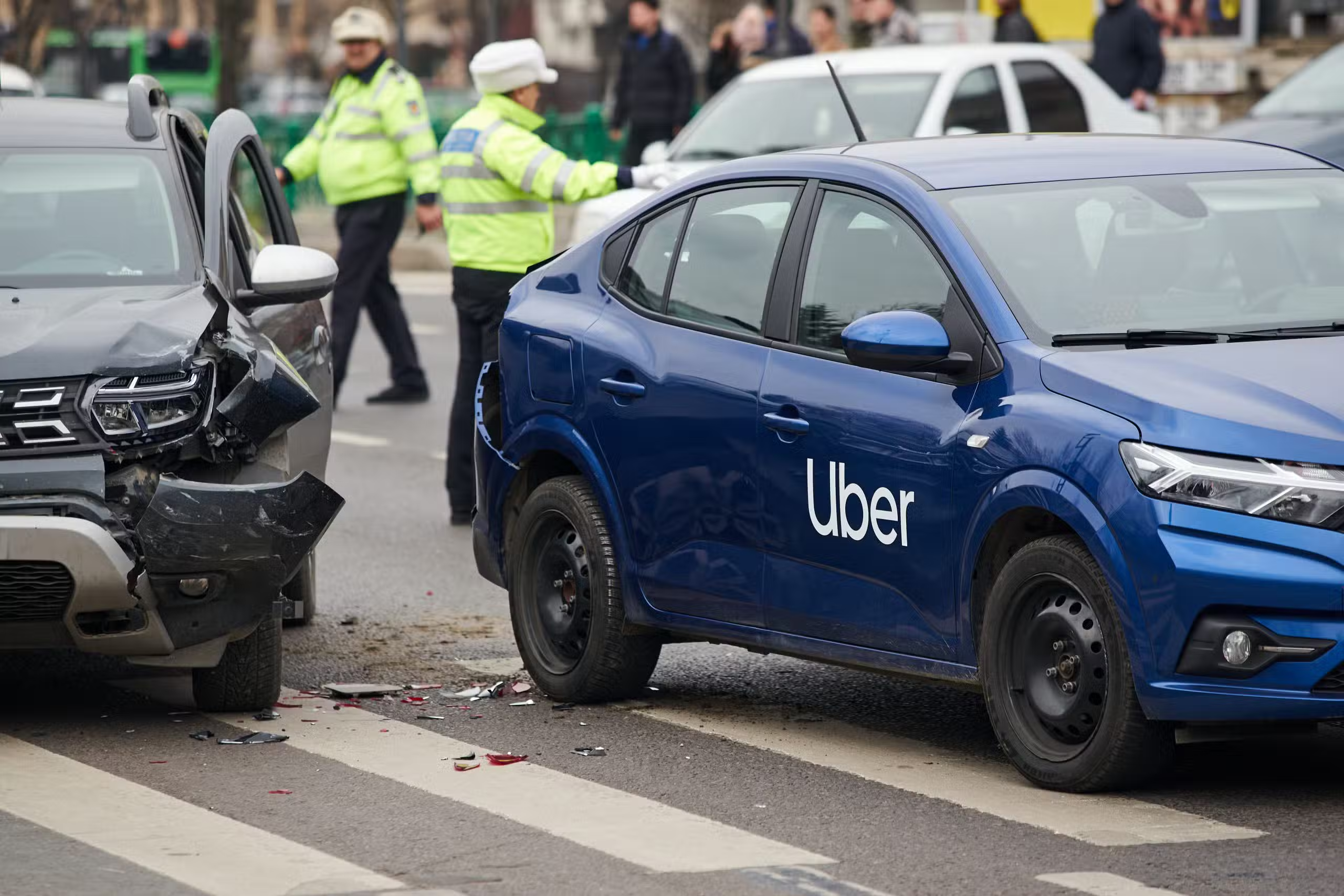

Uber and Lyft accidents involve insurance structures that most injured passengers and drivers do not understand until they file a claim and discover that the coverage is not what they expected. The coverage that applies to a rideshare accident depends entirely on what the driver was doing at the exact moment of the collision, and the difference between activity periods can mean a gap of hundreds of thousands of dollars in available insurance coverage. Understanding how rideshare insurance works is essential to recovering the full compensation you are entitled to after being injured in one of these accidents.

The 3 Coverage Periods
Rideshare insurance is organized around 3 distinct driver activity periods, each with different coverage levels:
- Period 1: The driver has the rideshare app turned on and is available to accept rides, but has not yet accepted a ride request. During this period, Uber and Lyft provide limited liability coverage of 50,000 dollars per person and 100,000 dollars per accident, but only if the driver's personal auto insurance does not apply. Most personal auto insurance policies explicitly exclude coverage during any period when the app is on, creating a potential coverage gap.
- Period 2: The driver has accepted a ride request and is en route to pick up the passenger. During this period, both companies provide 1 million dollars in liability coverage and uninsured/underinsured motorist coverage.
- Period 3: The passenger is in the vehicle. During this period, the same 1 million dollar liability coverage and UM/UIM coverage applies.
The transition points between these periods are where most coverage disputes arise, and establishing exactly what period the driver was in at the moment of the collision is often the most contested factual issue in the case.
Where Coverage Gaps Occur
The most dangerous coverage gaps occur in Period 1 and in the transition between periods. If a driver turns off the app immediately after causing an accident in an attempt to avoid having the commercial coverage period apply, establishing what period they were actually in at the time of the collision becomes a contested factual issue that requires app data from the company. Our article on who is liable in an Uber or Lyft accident covers how these disputes are resolved, what evidence establishes the driver's period status, and how courts have ruled when drivers attempt to manipulate their app status after an accident.
Drivers who cause accidents while using their personal vehicle for commercial rideshare purposes without disclosing this commercial use to their personal auto insurance carrier may find their personal policy voided entirely. Insurance policies require disclosure of commercial use, and using a vehicle for rideshare driving without telling your insurer is a material misrepresentation that allows the insurer to deny coverage. This leaves accident victims pursuing recovery from the rideshare company's insurance alone, and the coverage available varies dramatically depending on which period applied at the time of the collision.

Injured Passengers: A Different Coverage Picture
Passengers injured during an active ride, meaning during Periods 2 or 3, are in the strongest coverage position. They are covered by the full 1 million dollar liability policy that Uber and Lyft maintain. However, passengers must still establish that the rideshare driver was at fault for the collision, document the full extent of their injuries through medical records, and navigate the claims process with an insurance company that is not oriented toward maximizing passenger recovery.
Our breakdown of what damages rideshare passengers can recover covers medical expenses, lost wages, pain and suffering, and the specific considerations that apply when the at-fault driver is a rideshare operator. Passengers have the right to full compensation for all economic and non-economic damages caused by the collision, but the insurance companies representing Uber and Lyft drivers routinely make lowball settlement offers in hopes that injured passengers will accept them without understanding what their claims are actually worth.
Third-Party Drivers Hit by Rideshare Vehicles
If a rideshare driver hits your vehicle while you are driving another car, your recovery depends on the same period analysis that applies to all rideshare accidents. You are pursuing the rideshare company's 1 million dollar policy if the driver was in Period 2 or 3, or you are pursuing the driver's personal auto insurance policy if they were in Period 1 or if the app was off entirely. Establishing which policy applies is the first analytical step in any third-party rideshare claim.
The app data that establishes period status is controlled by Uber and Lyft and is not public information. Obtaining it requires either cooperation from the rideshare company's claims team or formal discovery in litigation. The companies are generally willing to provide this data during settlement negotiations because it determines which insurance policy applies, but they may delay or refuse to provide it if doing so benefits their negotiating position.
A rideshare accident attorney can obtain the driver's app records through formal legal process, establish the correct coverage period based on the data and other evidence, identify all sources of available insurance including any personal umbrella policies the driver may carry, and pursue recovery from every available source on your behalf rather than settling with the first insurance company that makes an offer and potentially leaving other coverage on the table.


Michael Avanesian, the founder and driving force behind Avian Law Group, is a passionate and dedicated attorney with a strong background in personal injury law. As a partner at JT Legal Group, Michael led the growth of the personal injury practice from a single employee to a team of over ninety professionals, securing over $2 billion in settlements for clients in just three years.