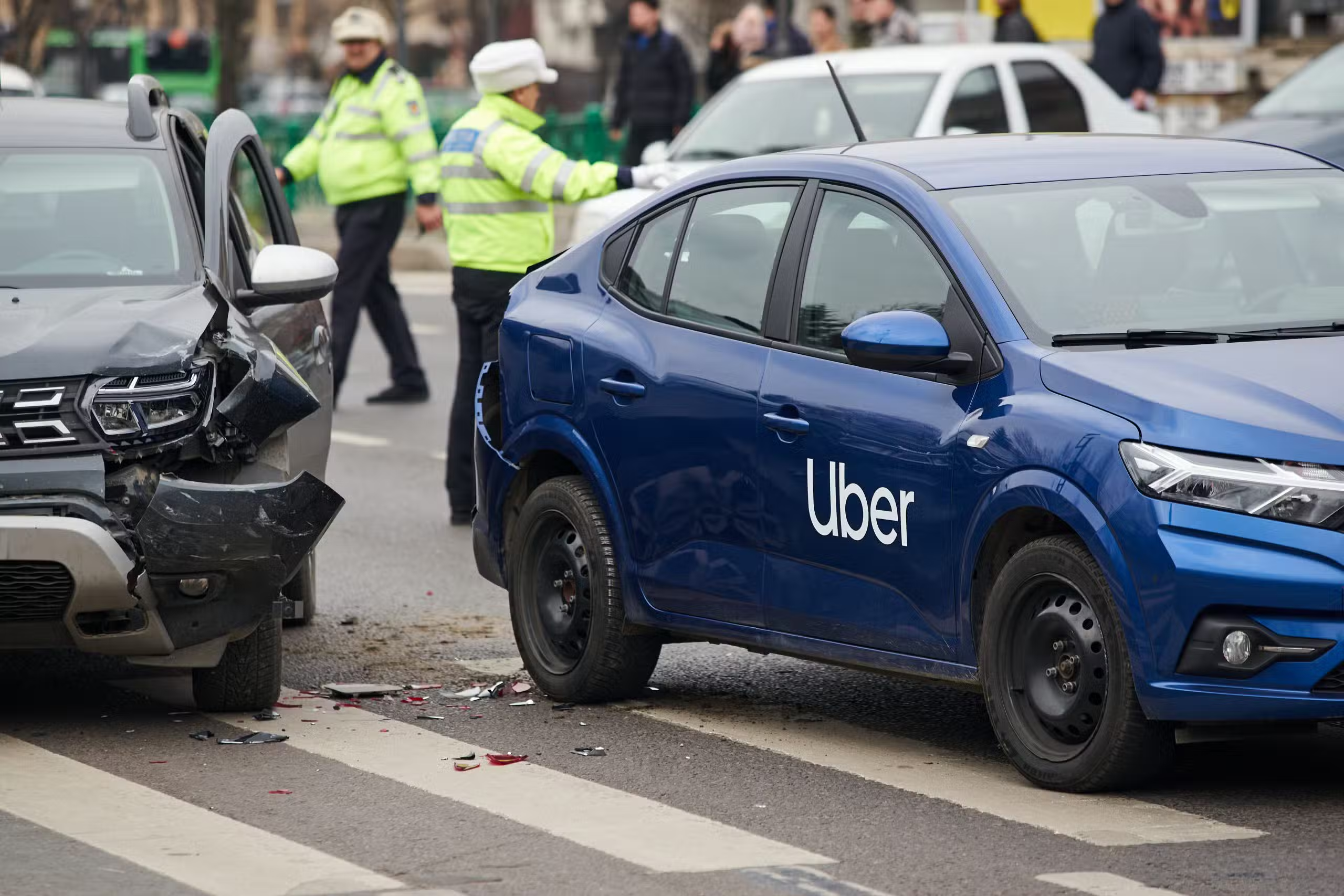

You can sue Lyft or Uber directly after a crash in California, but success depends on proving the company itself acted negligently rather than only the driver. Rideshare companies classify their drivers as independent contractors, which limits direct corporate liability but does not eliminate it.
Why Rideshare Companies Claim They Are Not Responsible
Uber and Lyft both argue that drivers are independent contractors, not employees. Under California law, employers are liable for employee negligence under the doctrine of respondeat superior, but that doctrine does not automatically apply to independent contractors. This classification is the central reason these companies push back against direct liability claims and why most initial claims are routed through the driver's coverage rather than the corporate entity.

What California Law Says About Independent Contractors
California's AB5, which took effect in January 2020, created a stricter 3-part ABC test for classifying workers as independent contractors. Even where drivers are classified as contractors under applicable law, Uber and Lyft can still face direct liability if the company negligently hired, retained, or supervised the driver, if the company's app or algorithmic delivery pressure contributed to the crash, or if the company failed to act on documented prior complaints about the driver's behavior on the platform.

Negligent Hiring as a Path to Direct Liability
If a driver had prior accidents, DUI convictions, or a suspended license and Uber or Lyft missed this during background screening, the company may face direct liability for negligent hiring. California law holds companies to a duty of care when vetting individuals who operate vehicles on their behalf in a commercial capacity. Gaps in the background check process have served as the basis for direct corporate liability in several California cases involving seriously injured plaintiffs.

The Role of Uber's Insurance vs. a Direct Lawsuit
Filing a claim against Uber's insurance and suing Uber directly are separate legal actions. Many claims resolve through insurance. A direct lawsuit is appropriate when coverage is inadequate for severe injuries, when the company's conduct was the proximate cause of the harm, or when the driver alone cannot satisfy a judgment. Cases involving permanent disability, traumatic brain injury, or wrongful death are those most likely to warrant a direct corporate action alongside an insurance claim.
What You Need to Build a Direct Case
To sue Lyft or Uber directly, you need evidence of corporate conduct beyond the driver's individual negligence. This includes the driver's background check records, Uber's internal safety incident logs where accessible, the driver's app status and detailed ride history in the minutes before the crash, and documentation of any prior complaints filed about the driver through the platform. This evidence is typically obtained through civil discovery after a lawsuit is filed.
California's Discovery Process in Rideshare Litigation
Once a lawsuit is filed against Uber or Lyft, your attorney can issue subpoenas requiring the company to produce internal driver safety records, background check procedures, complaint histories, and app data logs. Pre-litigation access to this information is limited. Filing suit is often a procedural necessity to compel disclosure of the corporate records that make a direct liability case viable. Discovery also forces Uber and Lyft employees to testify under oath about platform safety policies, driver onboarding standards, and the specific background check performed on the driver in your case, creating a record that is far more useful than anything available before litigation begins.
Time Limits for Suing Rideshare Companies in California
California's statute of limitations for personal injury is 2 years from the date of the accident. Waiting weakens your case. Evidence disappears, witnesses become harder to locate, app data is overwritten, and the company's legal team has more time to build a defense. Retaining an attorney within days of the accident allows preservation demands to be issued before digital records are overwritten, eyewitness contact information goes stale, and the company's internal communications related to the crash are archived beyond reach of standard legal discovery requests.
Many claimants do not realize that Uber and Lyft have separate legal teams assigned specifically to resist direct corporate liability claims. These teams focus on the independent contractor classification defense and on challenging every element of the corporate negligence theories. Understanding that defense posture before entering negotiations is essential to building a case that can withstand it.
Work With Avian Law Group
If you were injured in a rideshare crash, speak with a rideshare accident attorney before accepting any settlement offer. Insurance offers from rideshare companies frequently undervalue serious injuries.
Families who lost a loved one in a rideshare accident have additional legal options. A wrongful death attorney can evaluate whether a direct action against Lyft or Uber is viable based on the specific facts.
Our personal injury lawyers work on a contingency basis, meaning you pay nothing unless your case is won.

Michael Avanesian, the founder and driving force behind Avian Law Group, is a passionate and dedicated attorney with a strong background in personal injury law. As a partner at JT Legal Group, Michael led the growth of the personal injury practice from a single employee to a team of over ninety professionals, securing over $2 billion in settlements for clients in just three years.