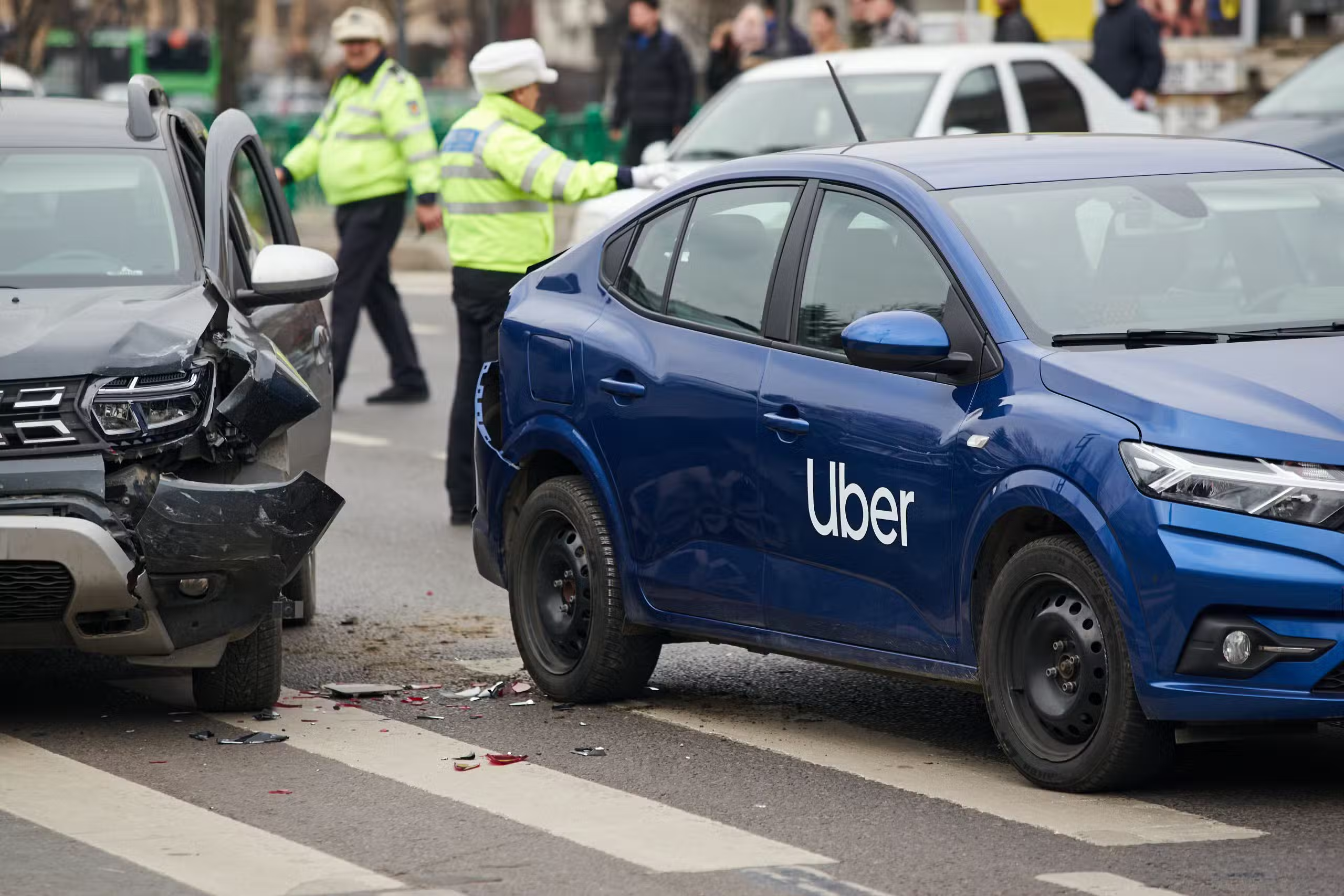

Taxi and rideshare accidents involve different regulatory frameworks, insurance structures, and liability rules. The legal process depends on whether you were in a traditional taxi or an Uber/Lyft vehicle. Treating them the same is a mistake that can cost you money.

Regulatory Differences
Taxis are regulated at the municipal level with city-specific licensing, vehicle inspections, and insurance minimums. Los Angeles requires $1 million in commercial liability coverage per vehicle. Rideshare companies are regulated statewide by the CPUC as Transportation Network Companies with tiered coverage requirements.
Insurance Structure Differences
- Taxi companies carry a single commercial policy covering the vehicle at all times during operation. No coverage gaps or period distinctions exist
- Rideshare insurance is tiered by app status: Period 1 (waiting) provides only $50,000/$100,000/$25,000; Periods 2-3 (active ride) provide $1 million
- The tiered rideshare structure creates disputes about which period applied at the time of the crash

Employment Status and Liability
Taxi drivers are typically employees or agents of the taxi company, making the company directly liable under respondeat superior. Rideshare drivers are independent contractors under Proposition 22, which limits the company's direct liability. Direct claims against Uber or Lyft require proving the company's own negligence rather than relying on the employer-employee relationship.
Which Claim Process Is More Complex
Rideshare claims are generally more complex because of the multi-tiered insurance, the independent contractor defense, and the need to obtain proprietary app data. Taxi claims benefit from simpler insurance and clearer liability. However, rideshare companies typically have more coverage available during active rides than many taxi companies.
A taxi accident attorney understands municipal regulations for taxi claims. For Uber or Lyft crashes, a rideshare accident attorney navigates TNC insurance tiers and app data discovery. Both share common elements with any car accident case.


Michael Avanesian, the founder and driving force behind Avian Law Group, is a passionate and dedicated attorney with a strong background in personal injury law. As a partner at JT Legal Group, Michael led the growth of the personal injury practice from a single employee to a team of over ninety professionals, securing over $2 billion in settlements for clients in just three years.