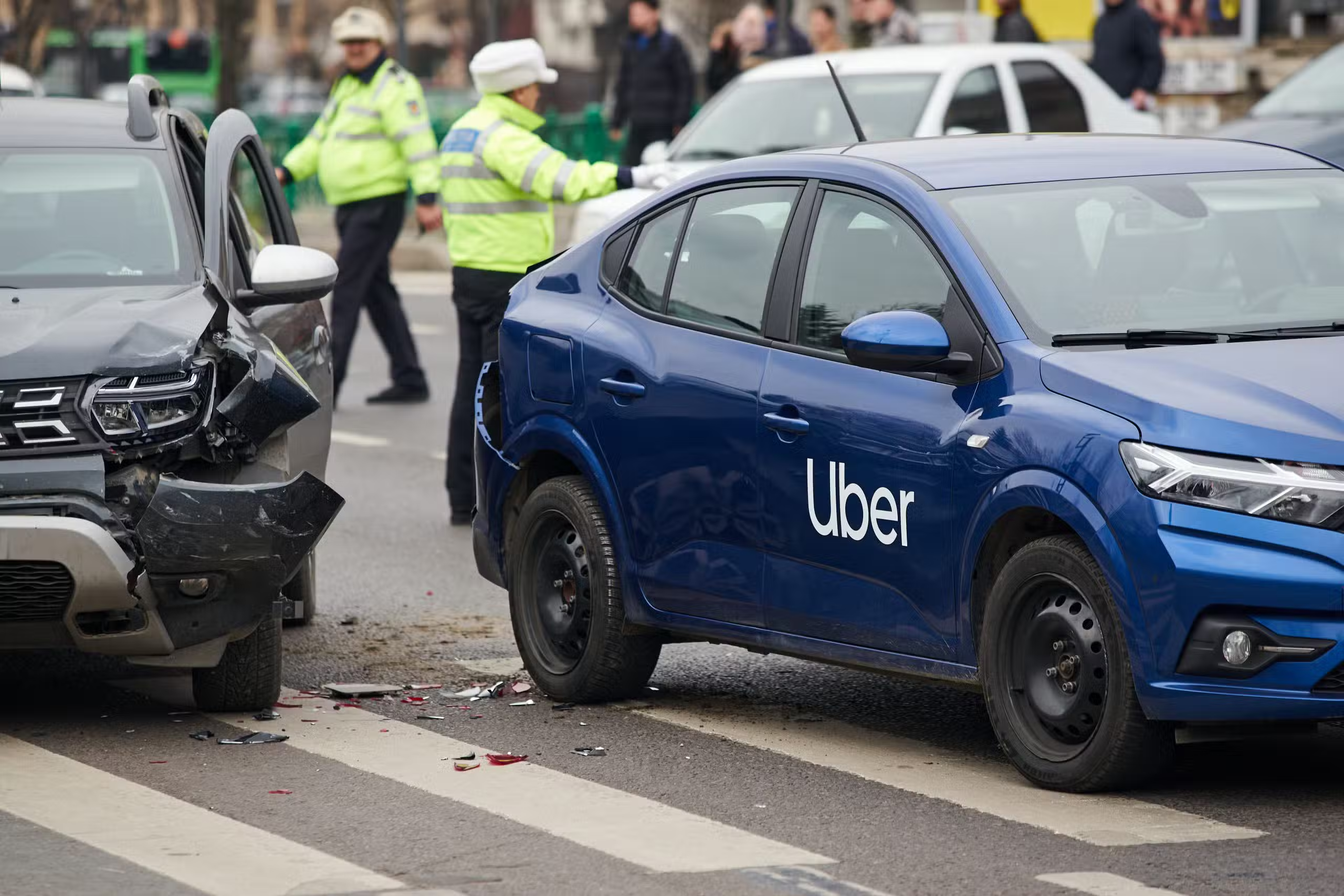

Uber provides different levels of insurance coverage depending on the driver's status in the app at the time of a crash. When a driver is logged in but has not yet accepted a ride request, the coverage is significantly lower than what most passengers and other motorists assume. Understanding which policy applies during this waiting period is critical for anyone injured in a collision involving an Uber driver.
How Uber's Three Insurance Periods Work
Uber divides its insurance coverage into three distinct periods. Period 1 begins when a driver turns on the app and starts waiting for a ride request. Period 2 starts when the driver accepts a request and is en route to pick up the passenger. Period 3 covers the time from passenger pickup through dropoff.
During Periods 2 and 3, Uber provides $1 million in liability coverage, $1 million in uninsured/underinsured motorist coverage, and contingent comprehensive and collision coverage. These are the numbers Uber advertises, and they apply when a ride is either confirmed or actively in progress.
Period 1 coverage drops sharply. While the driver is online but waiting for a match, Uber only provides:
- $50,000 per person for bodily injury
- $100,000 per accident for bodily injury
- $25,000 for property damage
- No uninsured motorist coverage
- No collision coverage for the driver's vehicle
The difference between Period 1 and Period 2 is enormous, and it hinges entirely on whether the driver has tapped a button to accept a ride.
Why Period 1 Coverage Creates Problems for Injury Victims
The $50,000 per-person cap during Period 1 is often insufficient to cover serious injuries. A single emergency room visit with imaging, blood work, and a specialist consultation can generate a bill of $10,000 to $20,000 in Los Angeles. A surgery to repair a fracture can cost $40,000 to $80,000 before factoring in follow-up care. A herniated disc requiring epidural injections, physical therapy, and potentially surgery can produce medical bills exceeding $100,000 over the course of treatment.
When the available coverage is capped at $50,000, victims with moderate to severe injuries face a gap between what the policy pays and what their treatment actually costs.
The Personal Auto Insurance Gap
Most personal auto policies contain a commercial use exclusion that voids coverage when the vehicle is being used to carry passengers for hire. If the driver did not purchase a rideshare endorsement or commercial policy, the personal insurer will decline the claim. This creates a scenario where Uber's Period 1 limits are the only coverage available.
How to Determine Which Period Applies
Establishing the driver's app status at the moment of the crash is the single most important step. Uber's internal data logs record timestamps for when a driver goes online, receives a ride request, accepts or declines it, and begins and ends a trip. This data is not publicly accessible and typically requires a formal legal request or litigation to obtain.
What to Do After a Period 1 Accident
If you are injured by an Uber driver who was waiting for a ride request, take these steps immediately:
- Get the driver's name, insurance information, and license plate number
- Take photos of the vehicles, road conditions, and any visible injuries
- Ask whether the driver was logged into the Uber app
- File a police report and request a copy
- Check your own auto policy for uninsured/underinsured motorist coverage
An experienced rideshare accident attorney can obtain the app data through legal channels and identify every applicable insurance policy. The scope of rideshare insurance varies depending on the specific facts, and determining who is liable in a rideshare accident often requires careful analysis of the driver's status at the exact moment of impact.

Michael Avanesian, the founder and driving force behind Avian Law Group, is a passionate and dedicated attorney with a strong background in personal injury law. As a partner at JT Legal Group, Michael led the growth of the personal injury practice from a single employee to a team of over ninety professionals, securing over $2 billion in settlements for clients in just three years.