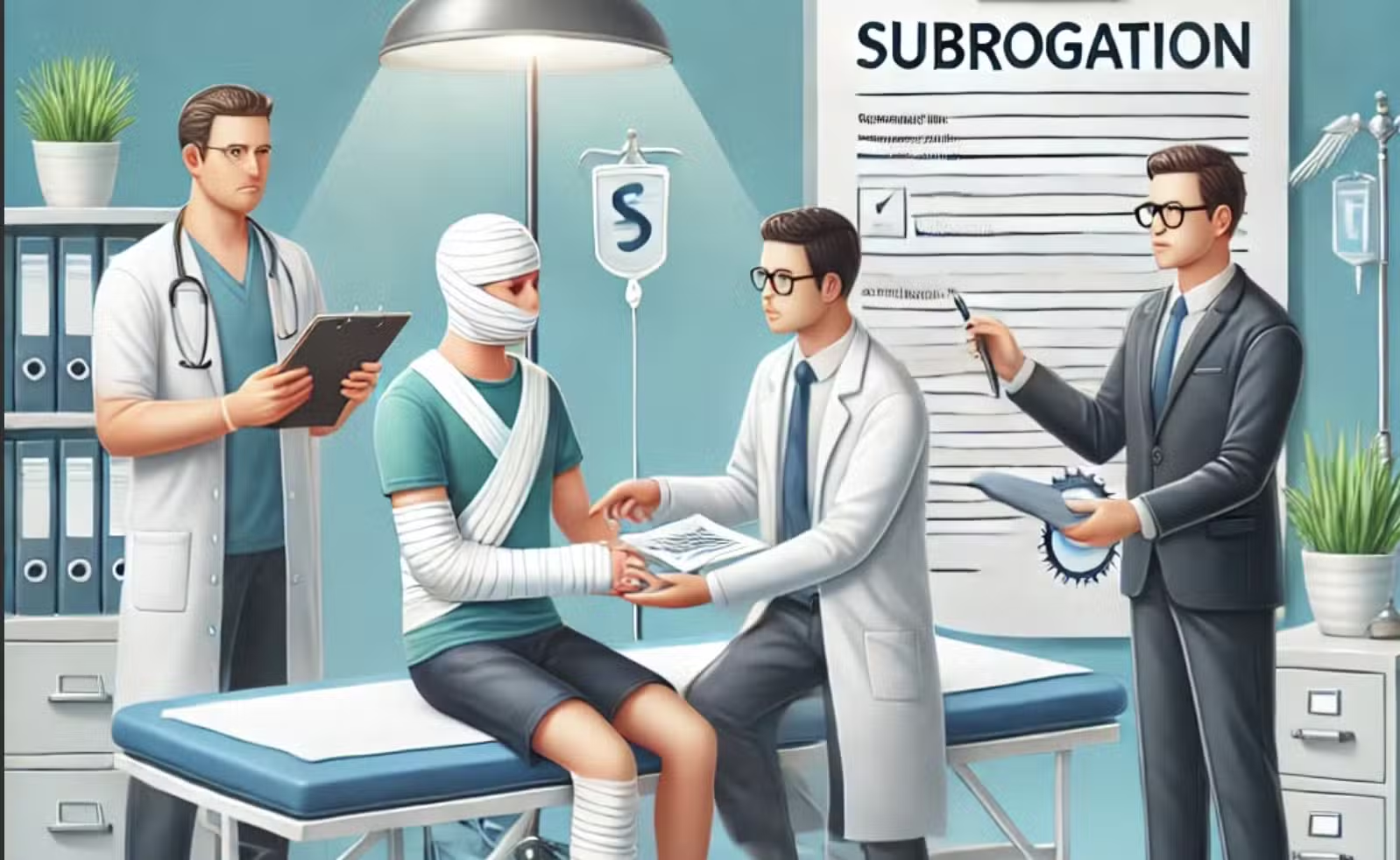

Personal injury claims can be undermined by common mistakes made in the days, weeks, or even months following an accident. These errors often seem harmless at the time but can reduce your compensation or eliminate your right to recover altogether. Knowing what to avoid helps you build a stronger, more successful case.
Failing to Seek Immediate Medical Attention
Waiting too long to see a doctor is one of the most damaging mistakes. Insurance companies often argue that delayed treatment means the injuries weren’t serious or weren’t caused by the accident. To prevent this, get examined the same day, even if symptoms seem minor. This creates a record that links your injuries to the incident, which is essential for proving your claim.

Not Following Your Doctor's Instructions
After starting treatment, it’s critical to follow all medical advice. Skipping appointments, ignoring prescriptions, or returning to work too soon can be used against you. Adjusters may claim you made your injuries worse or that you weren’t truly injured at all. Documented medical compliance strengthens your credibility and the value of your case.
Admitting Fault at the Scene
Even saying something like “I’m sorry” can be misinterpreted as an admission of guilt. You should exchange information and cooperate with police but avoid making any statements about who caused the accident. Determining fault is a legal process based on facts, not personal feelings or early assumptions.

Speaking to the Insurance Company Without Legal Advice
Insurance adjusters often contact victims quickly to obtain a recorded statement. These conversations are designed to lock you into a version of events that benefits the insurance company. Politely decline to give a recorded statement until you speak with a personal injury lawyer who can protect your interests.
Accepting the First Settlement Offer
Early offers are rarely fair. Insurance companies often propose low settlements before the full extent of your injuries and future treatment costs are known. Once accepted, you typically can’t go back and request more money, even if your condition worsens. An experienced attorney can help evaluate the true value of your claim before any decisions are made.
Posting About the Accident on Social Media
Anything you post, photos, comments, or status updates, can be used as evidence. For example, a photo of you at a family event or at work could be used to suggest your injuries are exaggerated. Avoid discussing the accident or your recovery online until your case is resolved.
Not Collecting Evidence at the Scene
If you are physically able, gather as much evidence as possible after the accident. Take photos of vehicle damage, injuries, traffic signals, road conditions, and anything else that may be relevant. Get names and contact information for any witnesses. Without these details, it becomes harder to prove what happened and who was at fault.
Missing Legal Deadlines
Each state has a statute of limitations that limits how long you have to file a personal injury lawsuit. Missing this deadline means losing your right to pursue compensation, no matter how strong your case may be. An attorney can help ensure all paperwork is filed on time and in the correct format.
Not Disclosing Previous Injuries or Accidents
Failing to mention past injuries may seem like a good idea, but insurance companies will likely find out through medical records. If you were honest from the beginning, your attorney can help explain how this accident aggravated prior conditions. Hiding the truth, however, can damage your credibility.
Trying to Handle the Claim Alone
Some people try to manage the process themselves, especially for minor injuries. But without legal knowledge, you may undervalue your claim or fall into insurance traps. A personal injury lawyer can negotiate on your behalf, gather proper evidence, and take the case to court if needed.
Why Legal Resources Matter
Understanding the legal process can prevent costly errors. Accessing accurate information early—such as what documents to collect, what deadlines to follow, and what communication is legally required—can change the outcome of your case. The legal resources provided by Avian Law Group offer detailed explanations on filing, damages, fault, and more.
Summary of Mistakes That Can Harm a Claim
- Waiting to see a doctor
- Ignoring medical instructions
- Admitting fault
- Giving a recorded statement
- Accepting low settlements
- Posting on social media
- Skipping evidence collection
- Missing deadlines
- Hiding past medical issues
- Proceeding without legal help
Frequently Asked Questions
How soon should I contact a personal injury lawyer?
Ideally, within days of the accident. Early legal guidance helps you avoid mistakes and ensures all evidence is preserved properly.
What if I already made one of these mistakes?
Some mistakes can be corrected. For example, if you delayed medical care, start now and explain the delay to your provider. A lawyer may still be able to build a strong case, especially if you stop making additional errors.
Will insurance companies always offer less than a claim is worth?
Most initial offers are lower than what a case is worth. Insurance companies are profit-driven and have no obligation to be fair unless challenged. This is why legal representation often leads to better outcomes.
Final Thought
A strong personal injury case requires more than just being right, it requires avoiding missteps that weaken your claim. By knowing what to do and what to avoid, you increase your chances of receiving the compensation you deserve. Protect yourself from the beginning by taking the right steps and seeking experienced legal guidance.

Michael Avanesian, the founder and driving force behind Avian Law Group, is a passionate and dedicated attorney with a strong background in personal injury law. As a partner at JT Legal Group, Michael led the growth of the personal injury practice from a single employee to a team of over ninety professionals, securing over $2 billion in settlements for clients in just three years.





























.avif)