

A free personal injury consultation is a no-cost, no-obligation meeting that lets you and a lawyer decide whether working together makes sense. During this session the attorney reviews the facts of your accident, explains your legal options, and outlines next steps—all before you pay a single dollar. Knowing exactly what’s covered and how to book the consultation ensures you walk in confident and walk out with a clear plan.
What “Free” Really Means
A true free consultation carries zero upfront fees and no hidden charges:
- No retainer required: You don’t provide credit-card details or pay a deposit.
- Confidential discussion: Everything you share is protected by attorney–client privilege.
- No commitment: You choose whether to hire the lawyer after the meeting.
If an office asks for payment before reviewing your case, you’re not getting a genuine free consultation—find another firm.
Documents and Details to Bring
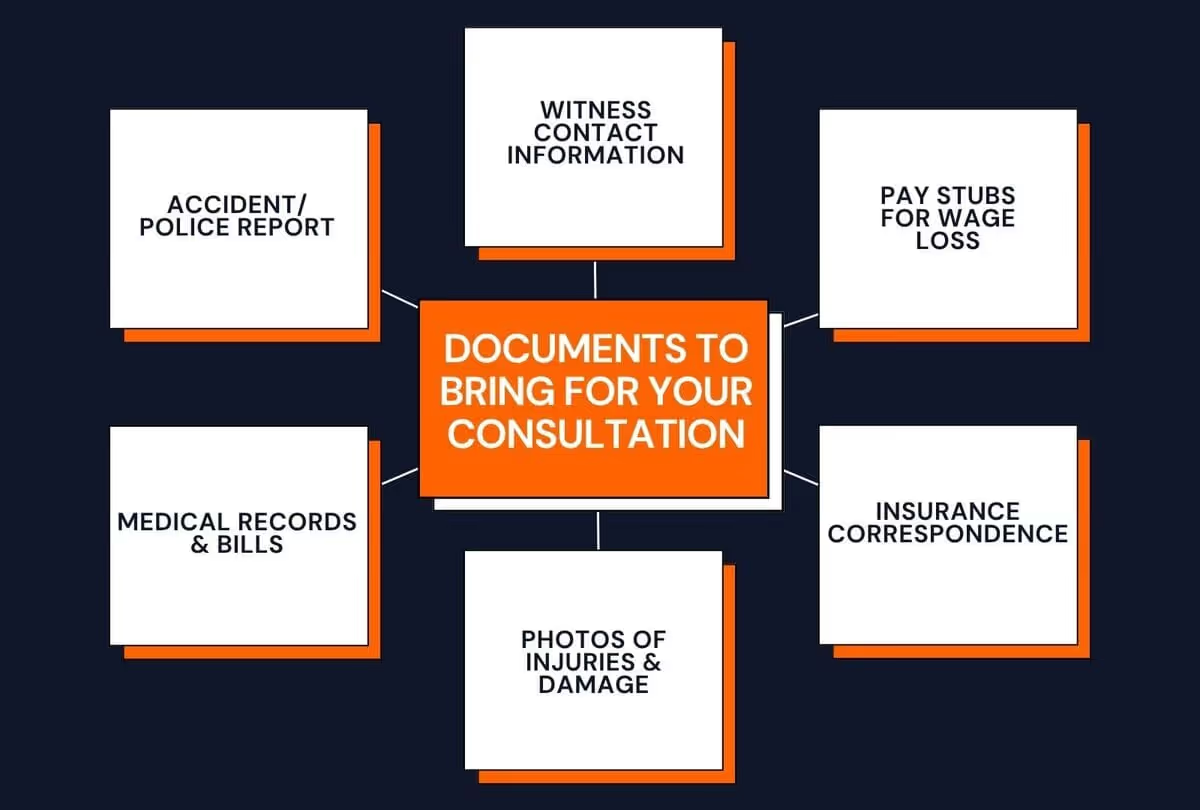
Arrive prepared so the attorney can evaluate your claim quickly and accurately. At minimum, bring:
- Accident report number or a printed police report.
- Medical records—ER summaries, test results, follow-up instructions.
- Photos or videos of the scene, vehicle damage, and visible injuries.
- Insurance correspondence and policy declarations.
- Income proof—two recent pay stubs to calculate lost wages.
- Witness list with contact information.
Can’t locate every item? Bring what you have. The lawyer will help track down the rest.
What the Lawyer Does During a Free Consultation
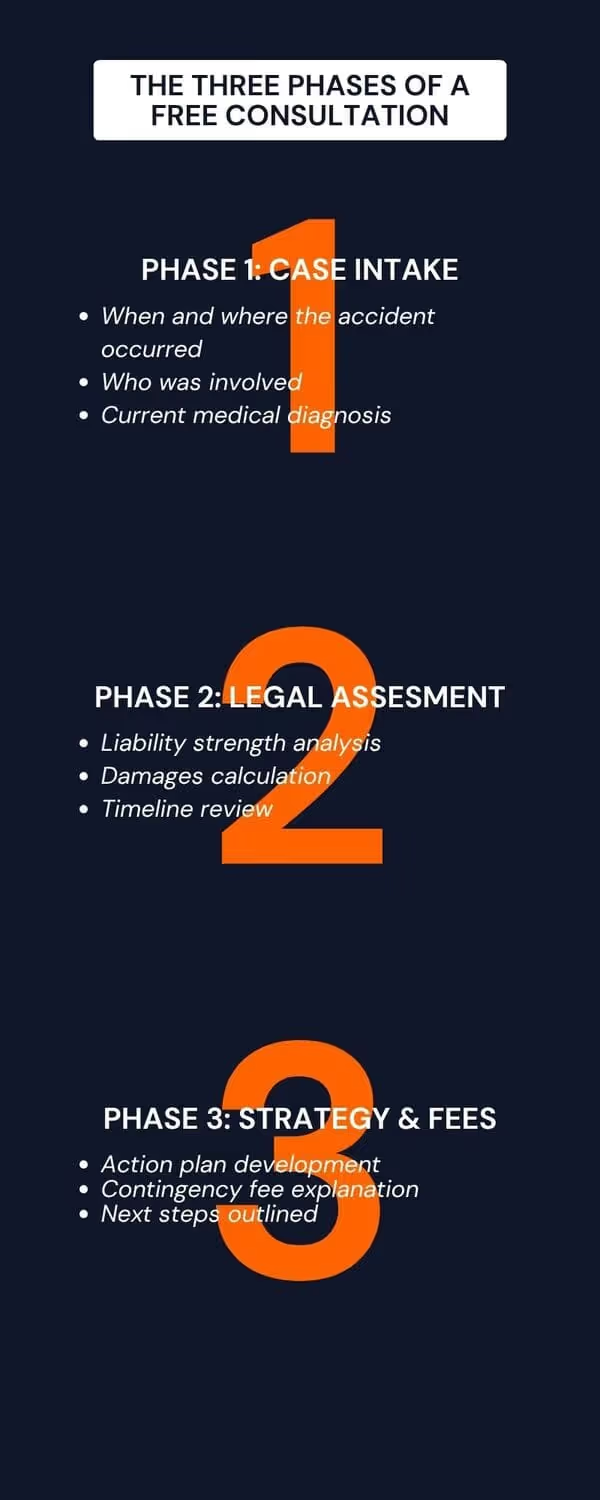
Expect the attorney to move through three precise steps:
Case Intake
First, they ask factual questions:
- When and where did the accident occur?
- Who was involved and what vehicles were damaged?
- Which injuries have doctors diagnosed so far?
Legal Assessment
Using those facts, the lawyer gauges:
- Liability strength—is fault clear or disputed?
- Damages scope—medical costs, lost earnings, future care needs.
- Statute of limitations—how much time remains to file suit.
They may estimate a rough settlement range based on similar cases handled in the past.
Strategy & Fee Discussion
Finally, they outline an action plan: evidence collection, negotiation timeline, and—if needed—litigation steps. Fee terms (almost always a contingency percentage) are explained in plain language: no recovery, no attorney fee.
Key Questions to Ask Before You Leave
Bring a short list so you don’t forget vital details:
- “How many cases like mine have you settled or tried in the last 12 months?”
- “What expenses am I responsible for if we lose?”
- “How often will you update me on progress?”
For a deeper checklist, see Top Questions to Ask a Personal Injury Lawyer Before You Hire so you can compare firms confidently.
Preparing for Your First Meeting
Use these four concrete steps the day before your consultation:
- Organize paperwork chronologically—accident report, then medical files, then bills.
- Write a clear timeline of events from collision to current treatment; bring two printed copies.
- Note lingering symptoms: pain scale, mobility limits, daily task challenges.
- List financial impacts: exact days missed at work, transportation costs, therapy co-pays.
A structured file lets the attorney spend less time sorting documents and more time evaluating strategy.
When Should You Book a Consultation?
Time is critical. Schedule as soon as:
- Initial medical treatment is finished and you have basic records.
- Insurance adjusters start calling or pressuring you to give a recorded statement.
- Symptoms worsen after what seemed like a minor injury.
If you’re unsure whether it’s too early—or too late—review When to Hire a Personal Injury Lawyer After an Accident for precise timing cues.
Injury Too Small for a Lawyer?
Even “minor” injuries can generate surprising costs if complications arise. A free consultation answers one crucial question: Is hiring counsel worth it for my situation? If the attorney believes medical bills and lost income exceed small-claims limits, they’ll recommend retaining representation. If not, they’ll explain DIY claim steps—at no charge.
How to Schedule Your Consultation in 3 Easy Steps
- Call or submit an online form—most firms reply within one business day.
- Choose in-person, phone, or video according to your schedule and comfort level.
- Confirm required documents with the intake coordinator so nothing is missing on meeting day.
Many offices also accommodate urgent evening appointments, ideal when evidence must be preserved quickly—a scenario explored in Why You Might Need a 24 Hour Personal Injury Lawyer.
What Happens If You Decide to Hire the Firm?
Once you sign a contingency-fee agreement, the attorney immediately:
- Sends a letter of representation to all insurance carriers, stopping adjuster harassment.
- Orders complete medical records and imaging scans.
- Initiates evidence preservation (e.g., requesting nearby surveillance footage).
- Begins damage calculations for medical costs, wage loss, and pain-and-suffering multipliers.
Throughout the claim you’ll receive status updates, settlement offers, and candid advice on whether to negotiate further or file suit.
Choosing a Trusted Advocate
Quality counsel often pays for itself many times over. For comprehensive support and aggressive negotiation, consult an experienced personal injury lawyer. The right attorney protects your rights, handles complex paperwork, and fights for the full compensation you deserve.
Takeaway: Make the Most of Your Free Consultation
A free personal injury consultation is more than a courtesy—it’s a strategic session that clarifies liability, values your claim, and maps the road to recovery. Arrive prepared, ask pointed questions, and schedule the meeting promptly. With solid preparation and a reputable lawyer, you transform a single hour of conversation into a powerful foundation for winning your case.
.png)
Laura Delgado is an accomplished digital marketing specialist at Avian Law Group. She brings with her a wealth of experience and a strong background in criminal justice and psychology, which has proven to be invaluable in her role at the firm. Laura’s exceptional leadership qualities and her ability to excel under pressure enable her to adapt to any situation and contribute significantly to the team.






























.avif)