
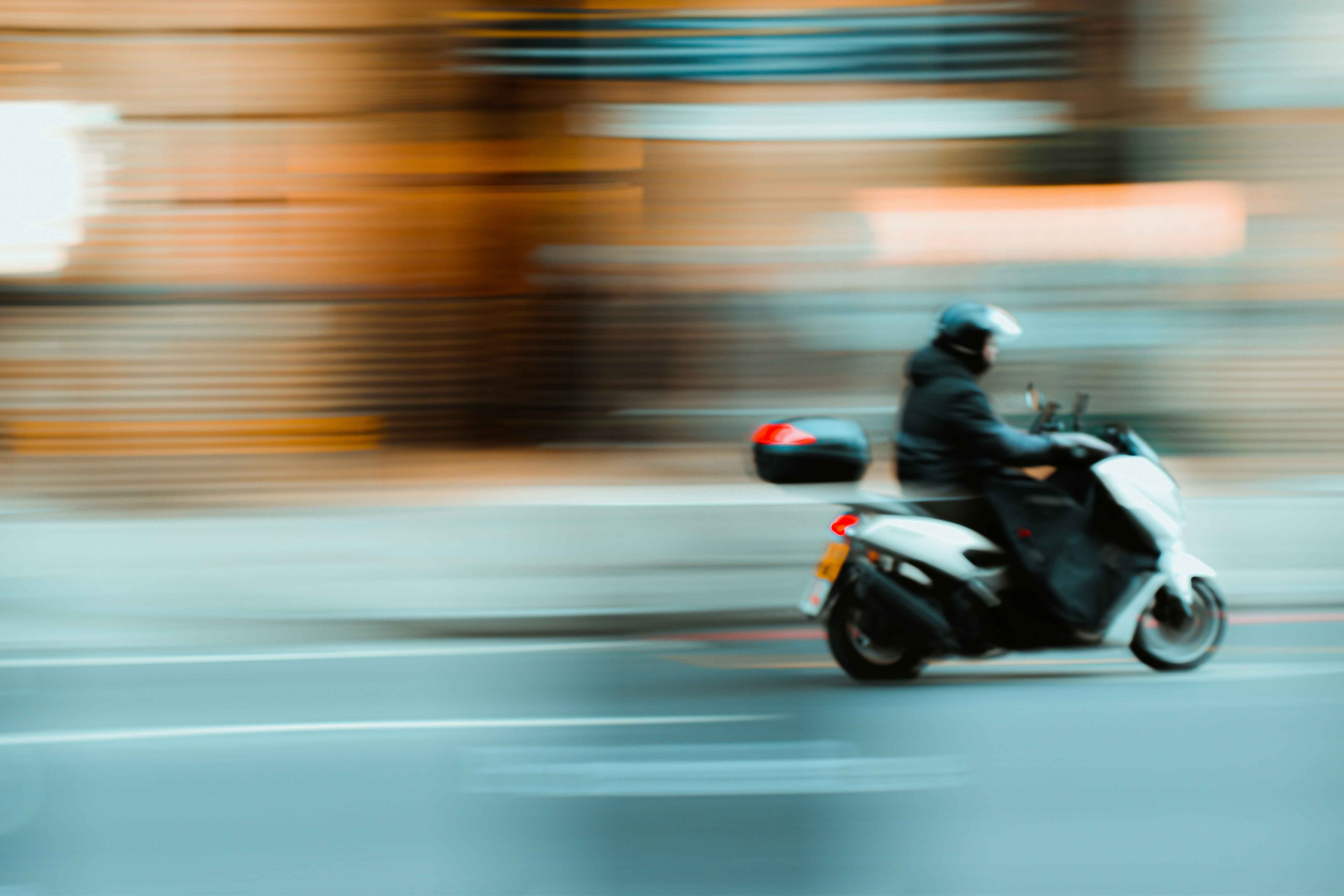
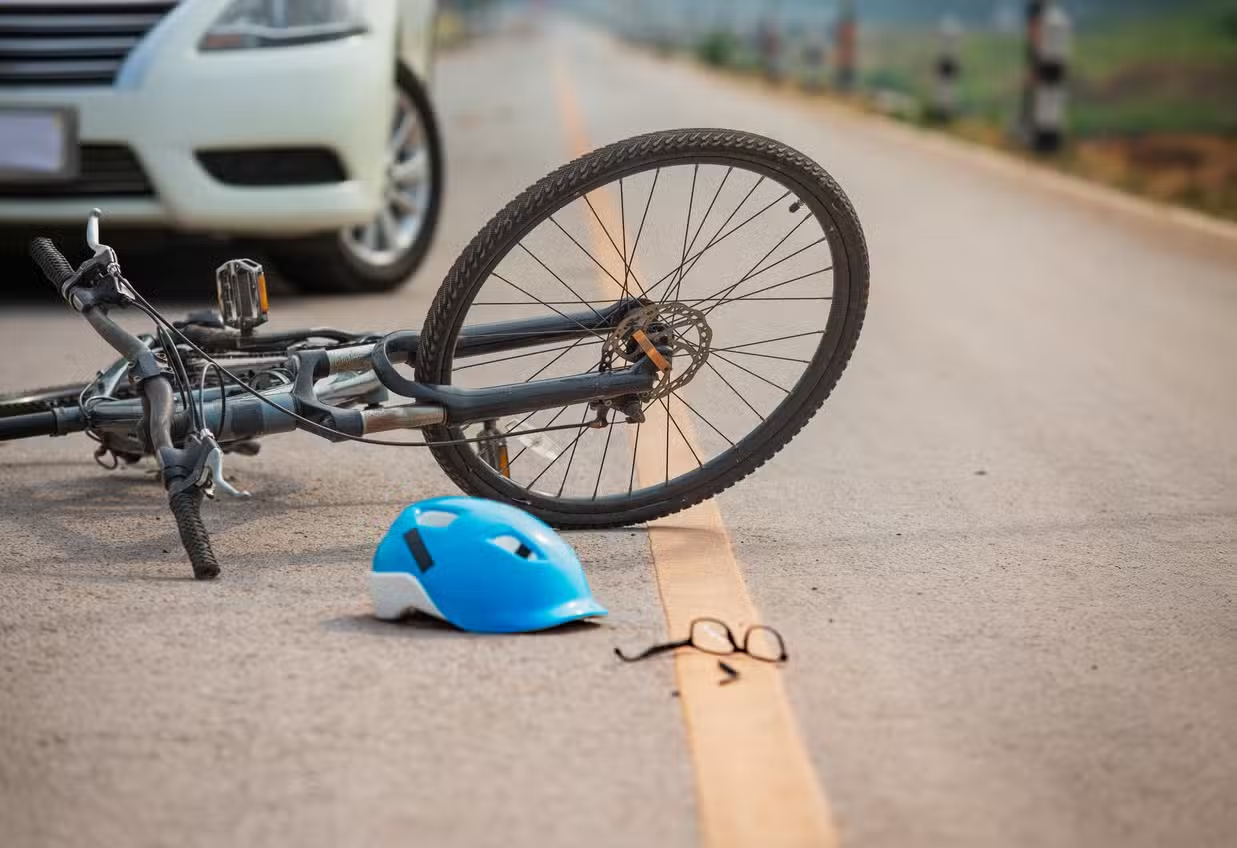
E-bike and scooter accident claims differ from car accident claims because they involve unique liability questions, different types of injuries, and additional layers of insurance coverage. These accidents often include device malfunctions, roadway hazards, and disputes about rider behavior. Understanding these differences helps victims collect the right evidence and pursue compensation effectively.
Why Do E-Bike and Scooter Claims Work Differently Than Car Accident Claims?
To understand the difference, recognize that e-bikes and scooters do not provide the protection that cars do. Riders have no exterior frame, airbags, or seatbelts, which leads to more severe injuries even at low speeds. These devices also operate in areas where pedestrians, cyclists, and vehicles mix, creating unpredictable collision patterns. Because of these variables, insurers evaluate e-bike and scooter claims differently than standard vehicle collisions.
How Does Liability Differ in E-Bike and Scooter Accidents?
To determine fault accurately, understand that e-bike and scooter crashes involve more potential responsible parties. In a car accident, fault usually rests with one or more drivers. In e-bike or scooter accidents, responsibility may fall on:
- A negligent driver
- The scooter or e-bike manufacturer
- The rental company
- A city or municipality responsible for roadway conditions
- The rider, if laws were violated
- A third party such as a pedestrian or cyclist
This complexity requires thorough evidence and careful evaluation during e-bike and scooter accidents claims.
Why Are E-Bike and Scooter Injuries Often More Severe?
To explain injury severity, note that riders lack physical protection. Even a low-speed impact causes significant harm. E-bike riders often travel between 15 and 28 mph, and scooter riders frequently lose balance when struck or cut off by vehicles.
Common injuries include:
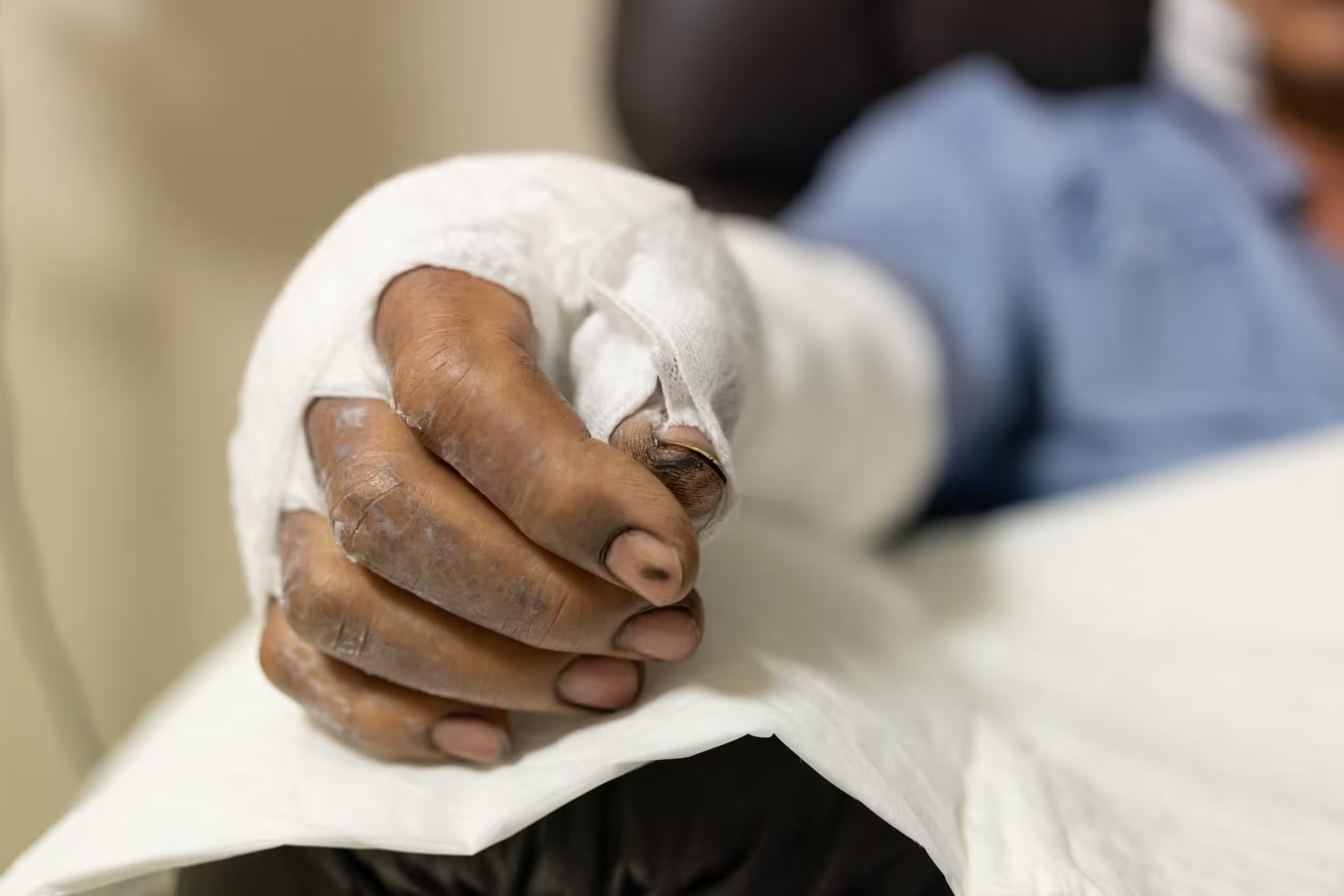
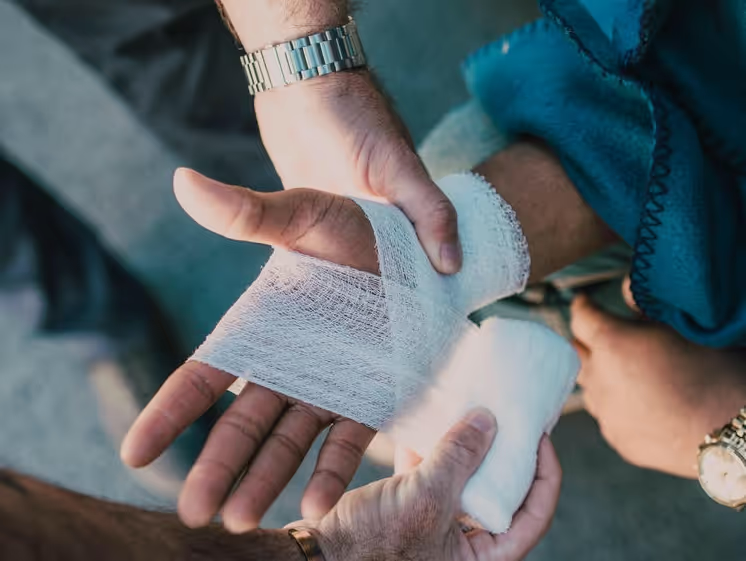
- Broken wrists and arms
- Facial trauma
- Dental injuries
- Concussions and traumatic brain injuries
- Road rash and deep lacerations
- Spinal injuries
These injuries often require longer recovery periods, which increases the value of a personal injury claim.
How Does Insurance Coverage Differ?
To understand insurance differences, recognize that car accidents involve standard auto insurance, but e-bike and scooter crashes may involve:
- Auto insurance policies
- Home or renters insurance
- Scooter rental company insurance
- Commercial insurance for delivery-riders
- Manufacturer liability coverage
Some scooter companies offer limited coverage, while others provide none. When multiple policies apply, insurers may dispute responsibility or attempt to shift blame.
Do Device Malfunctions Change the Claim Process?
To examine malfunction claims, identify defects such as brake failure, battery issues, software glitches, or loose handlebars. These issues lead to manufacturer liability or rental company negligence. Unlike car accidents, e-bike and scooter claims require inspection of the device to identify mechanical or electrical failures.
How Do Road Conditions Affect E-Bike and Scooter Claims?
To evaluate road conditions, note that potholes, uneven pavement, debris, and poor lighting frequently cause scooter and e-bike crashes. When hazardous conditions contribute to the accident, liability may involve city agencies or property owners. Evidence such as photos, witness statements, and maintenance records becomes critical in determining responsibility.
Why Does Comparative Negligence Play a Bigger Role?
To understand fault distribution, recognize that insurers closely analyze rider behavior in e-bike and scooter claims. They may argue that the rider:
- Was riding outside designated areas
- Failed to wear a helmet
- Ignored traffic signals
- Rode on sidewalks where prohibited
- Traveled at unsafe speeds
Because these factors influence fault percentages, linking your claim to comparative negligence considerations helps clarify whether partial responsibility affects compensation.
Are Medical Evaluations More Complex After E-Bike and Scooter Crashes?
To evaluate injuries, medical teams often rely on imaging and specialist consultations because these crashes involve high impact on unprotected areas of the body. Riders typically hit the ground directly, increasing the risk of fractures, head injuries, and long-term musculoskeletal issues. More complex medical evaluations lead to higher treatment costs and longer rehabilitation timelines, affecting settlement value.
What Evidence Is Most Important for These Claims?
To strengthen the claim, gather detailed evidence because liability disputes occur frequently.
Important evidence includes:
- Photos of the scene and road conditions
- Images of the device and any defects
- Witness contact information
- Police reports
- Medical evaluations
- Device rental logs or usage data
- Ride-tracking app records
This evidence creates a clear narrative and prevents insurers from minimizing or denying responsibility.
How Does Legal Representation Help?
To navigate overlapping insurance policies and complex liability issues, legal representation becomes crucial. Lawyers analyze device malfunctions, roadway hazards, and driver negligence to establish fault. Attorneys specializing in auto accident and scooter claims negotiate with adjusters, challenge inconsistent evidence, and build a structured claim supported by medical and technical documentation.
Final Takeaway
E-bike and scooter accident claims differ from car accident claims because they involve additional parties, high-risk injuries, device malfunctions, and multiple insurance layers. These differences make thorough documentation, strong medical evidence, and legal guidance essential. Understanding how these claims work helps victims protect their rights and pursue full compensation for their injuries, especially when they work with a skilled car accident attorney who understands e-bike and scooter claims.

Michael Avanesian, the founder and driving force behind Avian Law Group, is a passionate and dedicated attorney with a strong background in personal injury law. As a partner at JT Legal Group, Michael led the growth of the personal injury practice from a single employee to a team of over ninety professionals, securing over $2 billion in settlements for clients in just three years.

























.avif)