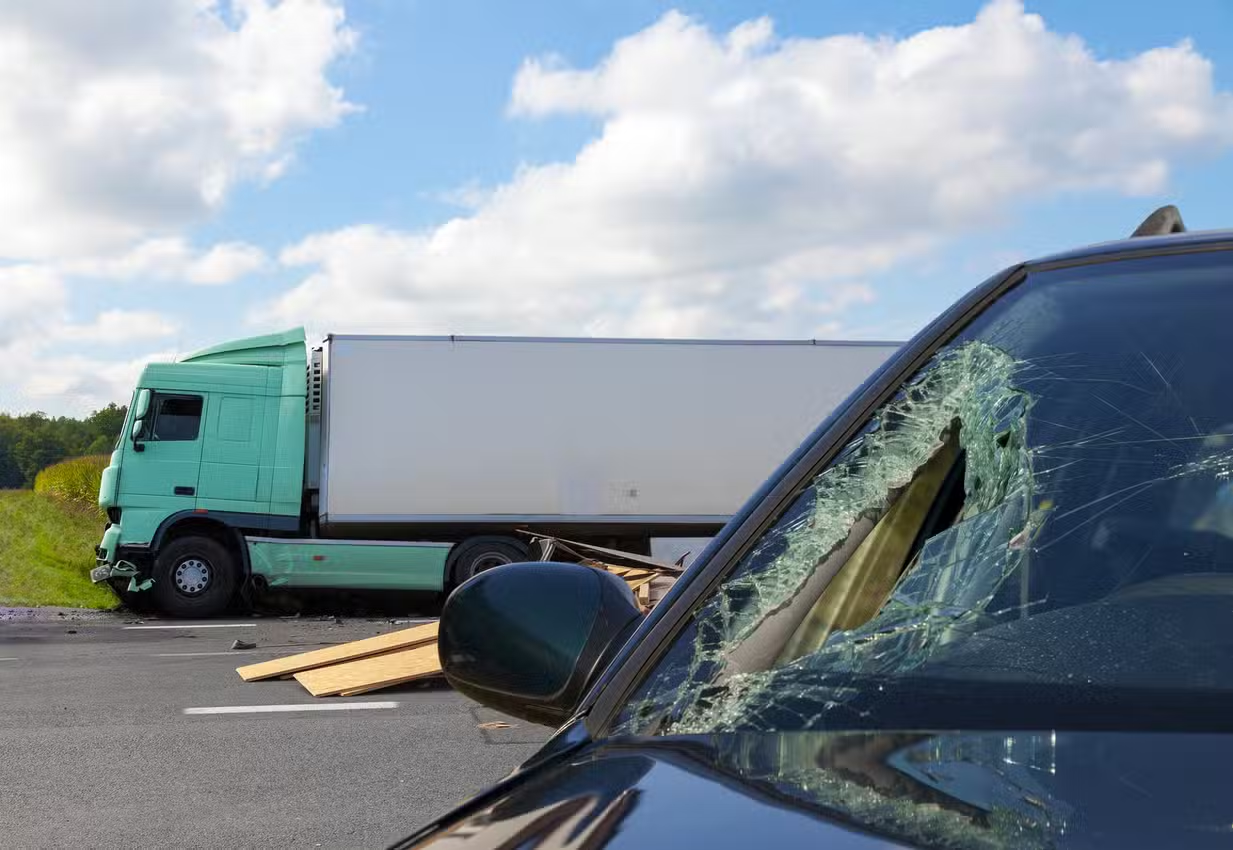

The key difference between an automobile and a commercial vehicle lies in how the vehicle is used. An automobile typically refers to a privately owned car used for personal transportation. A commercial vehicle, on the other hand, is used for business activities such as transporting goods, equipment, or paying passengers. While they may look similar on the road, they are treated very differently under the law—especially when it comes to licensing, insurance, and liability after an accident.
Purpose of Use: The Primary Divider
What separates these two categories isn’t just the size or appearance of the vehicle. It's the purpose. A standard sedan used to commute to work or pick up groceries is a private automobile. But if that same sedan is registered to a business and used for deliveries or transporting clients, it may be classified as a commercial vehicle.
Commercial vehicles are regulated more heavily because their operations involve public safety, client services, and sometimes hazardous materials. They also tend to rack up more mileage and operate in higher-risk situations, like construction zones or congested delivery routes.
Licensing and Insurance Requirements
Drivers of regular automobiles need a standard driver’s license and must carry personal auto insurance. For commercial vehicles, the rules are more complex:
- Licensing: Operating certain commercial vehicles—such as trucks over 26,001 pounds or buses carrying 16+ passengers—requires a Commercial Driver’s License (CDL).
- Insurance: Personal vehicles typically carry state-minimum liability coverage. Commercial vehicles, by contrast, often require much higher limits due to the increased risk and value of cargo or passengers.
In some cases, businesses insure an entire fleet of commercial vehicles under one policy. These policies cover employees, leased equipment, and liability beyond what a personal policy would ever offer.
Vehicle Modifications and Safety Requirements
Many commercial vehicles are modified to perform specific tasks. For example:
- Delivery vans may have reinforced cargo holds and lift gates
- Utility trucks are equipped with tool racks or cherry pickers
- Heavy trucks may require dual axles, air brakes, or sleeper cabins
Because of these differences, commercial vehicles are also required to undergo more frequent inspections and follow federal Department of Transportation (DOT) guidelines. Private vehicles don’t have to meet the same rigorous standards unless used for ride-sharing or other professional services.
What This Means After an Accident
The distinction between personal and commercial use has serious implications after a crash. If a vehicle was being used for business purposes—even temporarily—it may qualify as a commercial vehicle in the eyes of the law. This changes how insurance claims are handled, what evidence is preserved, and who may be liable.
For example, if a delivery driver causes a collision while making a scheduled stop, their employer might share legal responsibility under vicarious liability rules. The amount of compensation available may also increase, since commercial policies tend to carry higher limits.
Working with a commercial vehicle accident attorney can help clarify these issues and determine whether the other driver’s vehicle qualifies as commercial under state or federal law.
If you're unsure how these legal distinctions apply to real-world crashes, we’ve covered what exactly qualifies as a commercial vehicle and how that affects insurance coverage and liability.
We also explored how commercial vehicle accidents tend to cause more severe injuries, often leading to traumatic brain injuries, spinal cord trauma, or permanent disability.
For those interested in the legal consequences of truck crashes, our article on the common causes of truck accidents outlines how driver fatigue, speeding, and improper maintenance play a major role.

Michael Avanesian, the founder and driving force behind Avian Law Group, is a passionate and dedicated attorney with a strong background in personal injury law. As a partner at JT Legal Group, Michael led the growth of the personal injury practice from a single employee to a team of over ninety professionals, securing over $2 billion in settlements for clients in just three years.



.jpeg)