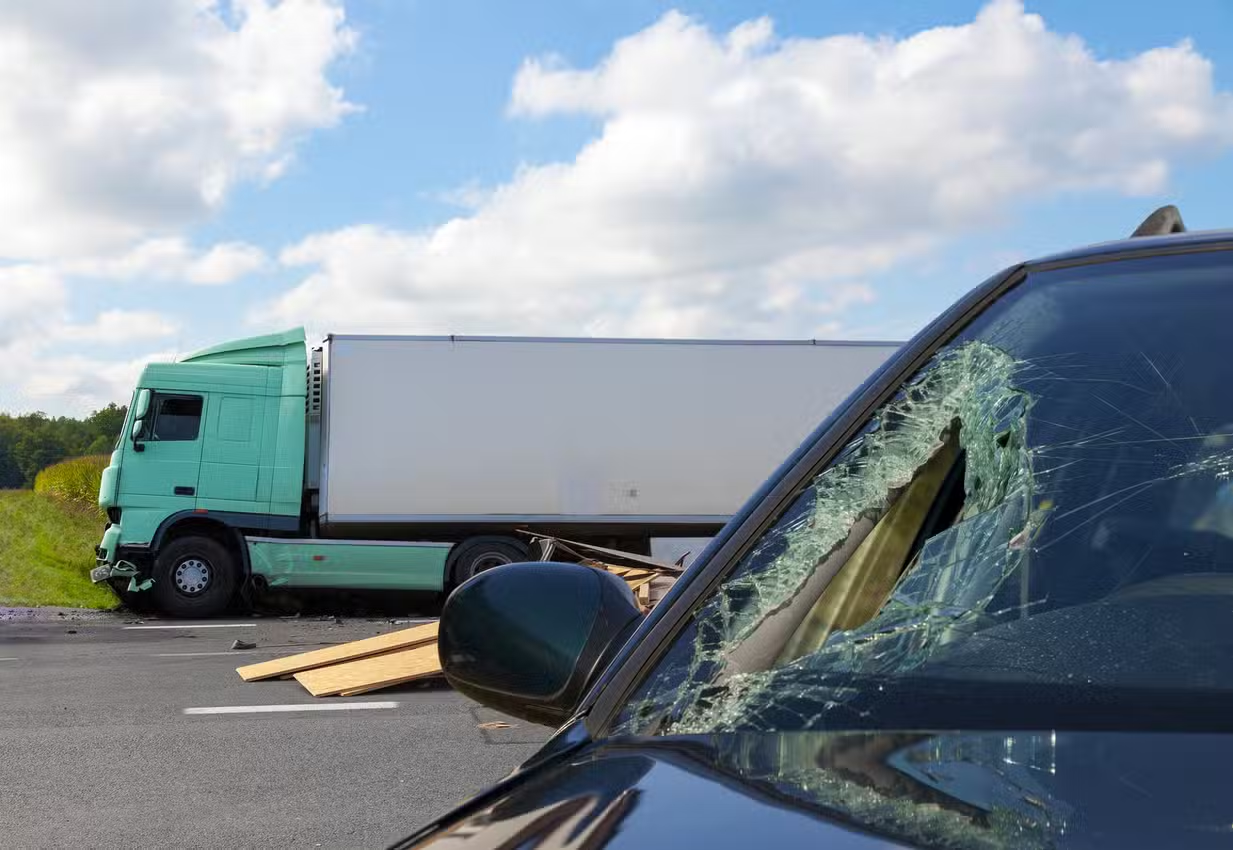

Filing an 18-wheeler accident lawsuit starts with securing medical treatment, gathering time-sensitive evidence, and identifying all parties that may be responsible. These lawsuits differ from standard car crash claims due to the severity of the injuries, the size of the vehicles involved, and the commercial regulations that govern the trucking industry. To recover compensation, you'll need to move quickly, stay organized, and understand what makes trucking cases more complex.
Immediate Steps to Protect Your Case
After an 18-wheeler crash, your actions in the first 24–72 hours are critical. Here's what to do:
- Seek emergency medical treatment, even if injuries seem minor
- Take photos of the vehicles, your injuries, and the road conditions
- Get contact information from witnesses, first responders, and the truck driver
- Avoid speaking to the trucking company’s insurance adjusters without representation
- Save receipts and documentation related to medical care, towing, or vehicle rental
Delays in treatment or gaps in your documentation can be used by the defense to argue your injuries aren't serious—or weren't caused by the crash.

Why These Cases Are Different
18-wheelers, or semi-trucks, can weigh up to 40 tons. A crash with one of these vehicles often results in catastrophic injuries or fatalities, especially when passenger cars are involved. These cases involve:
- Federal regulations: Trucking companies must follow FMCSA rules on driver hours, maintenance logs, drug testing, and licensing
- Multiple liable parties: The driver, their employer, a freight broker, or a third-party maintenance contractor could all share responsibility
- Commercial insurance policies: Carriers typically have much larger policies—ranging from $750,000 to several million dollars—which means insurance companies fight harder to reduce payouts
Because of these differences, it's crucial to work with a truck accident lawyer who understands the unique rules that govern 18-wheeler operations.

Key Evidence You’ll Need
Proving fault in an 18-wheeler case requires more than just a police report. Critical evidence includes:
- Electronic logging device (ELD) data showing driver hours and rest periods
- Truck black box data (speed, brake application, throttle use)
- Driver qualification files, including prior violations or license status
- Maintenance and inspection logs
- Dispatch communications and route assignments
- Cargo manifests and weight reports
This information is often in the possession of the trucking company—and they are not required to keep it forever. Some data, like ELD logs, can be deleted after six months. That’s why your lawyer should send a preservation of evidence letter as soon as possible.
Determining Liability
Liability may rest with one or several of the following:
- The truck driver, for negligent driving, fatigue, or distraction
- The trucking company, for failing to enforce safety procedures or hiring unqualified drivers
- The shipping company or freight broker, for encouraging tight delivery windows
- A maintenance contractor, if poor repairs contributed to the crash
- A manufacturer, if a defective tire, brake system, or other part failed
By identifying all responsible parties, you increase the chance of accessing multiple insurance policies and recovering full compensation.
Damages You Can Pursue
Your lawsuit should account for the full scope of physical, emotional, and financial harm. This may include:
- Medical bills, surgeries, rehabilitation, and prescriptions
- Lost income and reduced future earning capacity
- Pain and suffering
- Permanent disability or disfigurement
- Mental health treatment
- Vehicle damage or replacement
- Funeral costs (if filing a wrongful death suit)
Accurately documenting these losses—both current and future—is essential for settlement or trial.
Filing the Lawsuit and Going to Court
Each state sets its own deadline for filing personal injury lawsuits, usually between one and three years. If you miss this deadline, your case may be dismissed entirely. Once the lawsuit is filed:
- The defendant(s) are served with legal notice
- Discovery begins, where both sides exchange documents and take depositions
- Settlement negotiations may occur at any time
- If no agreement is reached, the case proceeds to trial
Lawsuits involving commercial trucking companies may take 12–24 months to resolve, depending on complexity and court availability.
Other factors also come into play when building a strong case. For instance, understanding what defines a commercial vehicle can affect which regulations apply and how much insurance coverage is available. We’ve outlined these definitions clearly to help injured drivers and their families make informed decisions.
We also break down how commercial vehicle accidents differ from ordinary car crashes—including why they’re more likely to result in serious injuries, long-term disability, or death.
For those looking to understand common triggers for these incidents, we’ve published a guide on the top causes of truck accidents, such as driver fatigue, equipment failure, and overloaded cargo.

Michael Avanesian, the founder and driving force behind Avian Law Group, is a passionate and dedicated attorney with a strong background in personal injury law. As a partner at JT Legal Group, Michael led the growth of the personal injury practice from a single employee to a team of over ninety professionals, securing over $2 billion in settlements for clients in just three years.



.jpeg)