.jpeg)
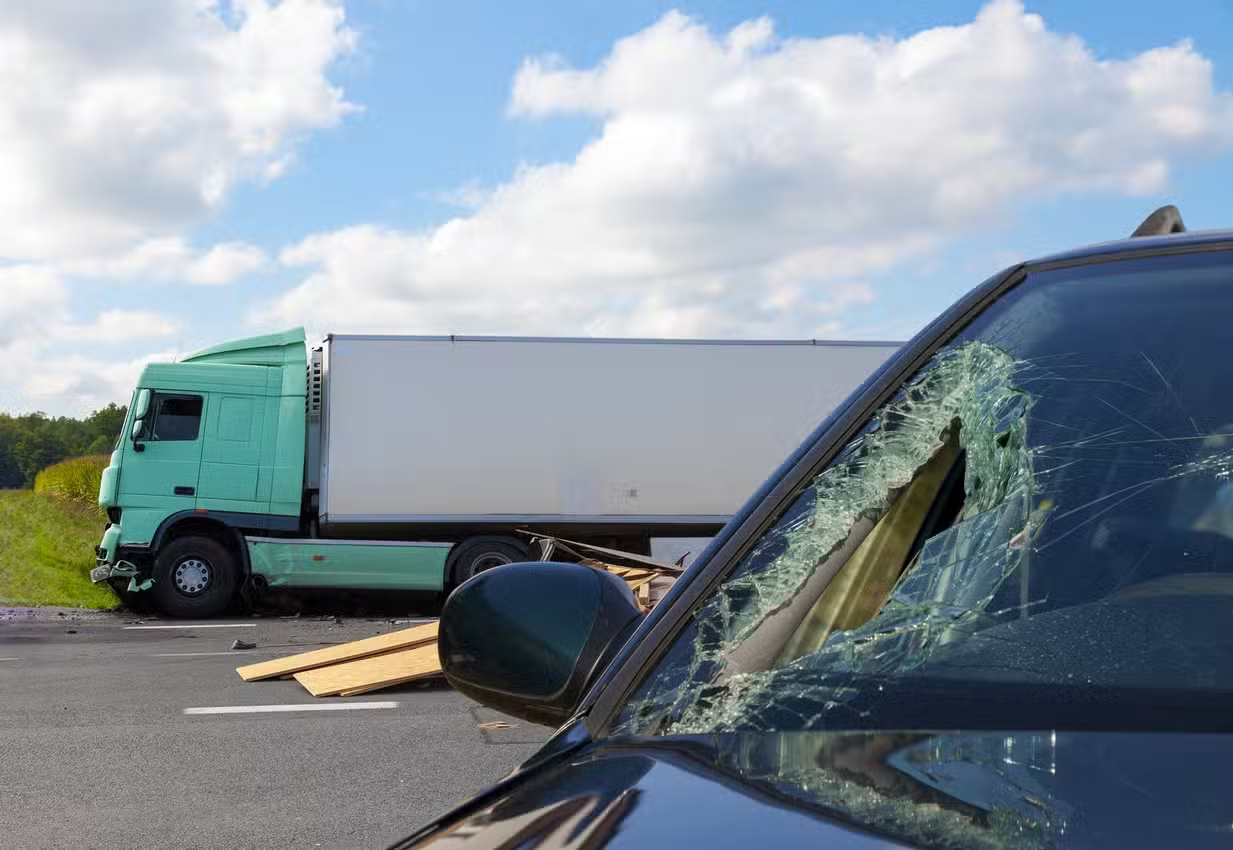
A commercial vehicle accident refers to any collision involving a vehicle used for business purposes. This includes trucks, vans, buses, and even company cars. These incidents are different from everyday car accidents due to the size and weight of the vehicles involved, the commercial regulations that apply, and the added complexity when determining liability. Because of the higher risk of serious injuries and greater potential for property damage, these cases often require specialized legal strategies and a more extensive investigation.
.jpg)
What Qualifies as a Commercial Vehicle?
Commercial vehicles are not limited to just large trucks. Any vehicle primarily used to transport goods or passengers for business may qualify. In the U.S., a vehicle is generally considered commercial if it weighs over 10,000 pounds, transports hazardous materials, or is designed to carry a specified number of passengers for compensation. This can include long-haul 18-wheelers, regional delivery vans, utility trucks, airport shuttles, and even some rideshare vehicles used full-time. The vehicle’s ownership and purpose of use are often more important than the size alone when determining whether it falls into the commercial category.
Why Commercial Accidents Tend to Be More Severe
The injuries resulting from commercial vehicle accidents are usually more severe due to the increased force of impact. A fully loaded tractor-trailer can weigh up to 80,000 pounds—20 times more than the average passenger car. When these vehicles collide with smaller ones, the results are often catastrophic. In addition to the raw weight and size, commercial vehicles have longer stopping distances, higher centers of gravity (making them prone to rollovers), and increased blind spots. These factors contribute to a higher likelihood of serious injuries and fatalities when accidents occur.
Common Causes of Commercial Vehicle Accidents
Several well-documented factors contribute to the frequency of these accidents:
- Driver fatigue, especially from long-haul routes and tight delivery schedules
- Distracted driving, often from GPS systems, radios, or mobile apps
- Speeding or aggressive lane changes, particularly in congested traffic zones
- Improper maintenance, including worn brakes, bad tires, or faulty lighting
- Overloaded or imbalanced cargo, which can shift and cause rollovers
- Insufficient training, especially for new drivers handling complex machinery
Understanding the root cause of the crash is essential when building a legal case or seeking damages. Multiple factors may be at play in a single incident, and identifying them quickly is key to preserving evidence and establishing fault.
Who Can Be Held Liable?
Unlike standard two-car collisions, commercial vehicle accidents often involve multiple parties, each of whom may carry some responsibility. The driver may be at fault for speeding, but the employer might also be liable for failing to follow safety regulations or conducting proper training. In some cases, maintenance contractors or equipment manufacturers may share blame for a mechanical failure. An experienced commercial vehicle accident attorney can help identify all liable parties and preserve time-sensitive evidence such as black box data, logbooks, and maintenance records.
.jpg)
What to Do After a Commercial Vehicle Crash
Taking the right steps immediately after a crash can make a significant difference in your ability to recover compensation. Start by calling 911 and requesting medical assistance. Even if you feel okay, get evaluated by paramedics or at a hospital—some injuries may not present symptoms right away. If you're able, take photos of the crash scene, vehicle damage, and any visible injuries. Ask witnesses for their contact information, and avoid making any statements to insurance representatives without legal counsel. The trucking company may already have investigators en route to limit their liability, so it’s important to level the playing field early.
Damages You May Be Entitled To
Victims of commercial vehicle accidents may qualify for a wide range of damages:
- Medical bills, including emergency care, surgeries, and rehab
- Lost wages, from time missed at work or permanent disability
- Pain and suffering, for long-term physical and emotional trauma
- Vehicle repair or replacement
- Future medical expenses, like physical therapy or home care
- Wrongful death compensation, in the event of a fatality
Insurance policies for commercial vehicles often have higher coverage limits than personal auto policies, which can lead to larger settlements—provided you have the right documentation and legal support.
Why Time is Critical
Evidence can disappear quickly. Surveillance footage might be erased, logs may be overwritten, and vehicles might be repaired before an inspection. Many commercial vehicles are equipped with electronic logging devices (ELDs) and GPS tracking systems that record valuable data—like speed, brake usage, and rest periods—that can help prove liability. But companies are not obligated to keep this information forever. Acting promptly increases your chances of preserving key records before they’re lost.
The definitions surrounding commercial vehicles can also affect legal outcomes. For example, it’s important to understand how state laws distinguish between personal and business use. One post offers a helpful breakdown of what is considered a commercial vehicle in California, including how it affects driver licensing, insurance, and liability in civil cases.
In another recent writeup, we outlined the most common truck accident injuries victims suffer, including spinal cord damage, broken bones, and traumatic brain injuries—all of which can impact settlement size and long-term quality of life.
And if you're wondering what usually causes these crashes in the first place, we've detailed the top causes of truck accidents, including how poor driver training and mechanical failure frequently show up in crash investigations.
.jpg)

Michael Avanesian, the founder and driving force behind Avian Law Group, is a passionate and dedicated attorney with a strong background in personal injury law. As a partner at JT Legal Group, Michael led the growth of the personal injury practice from a single employee to a team of over ninety professionals, securing over $2 billion in settlements for clients in just three years.