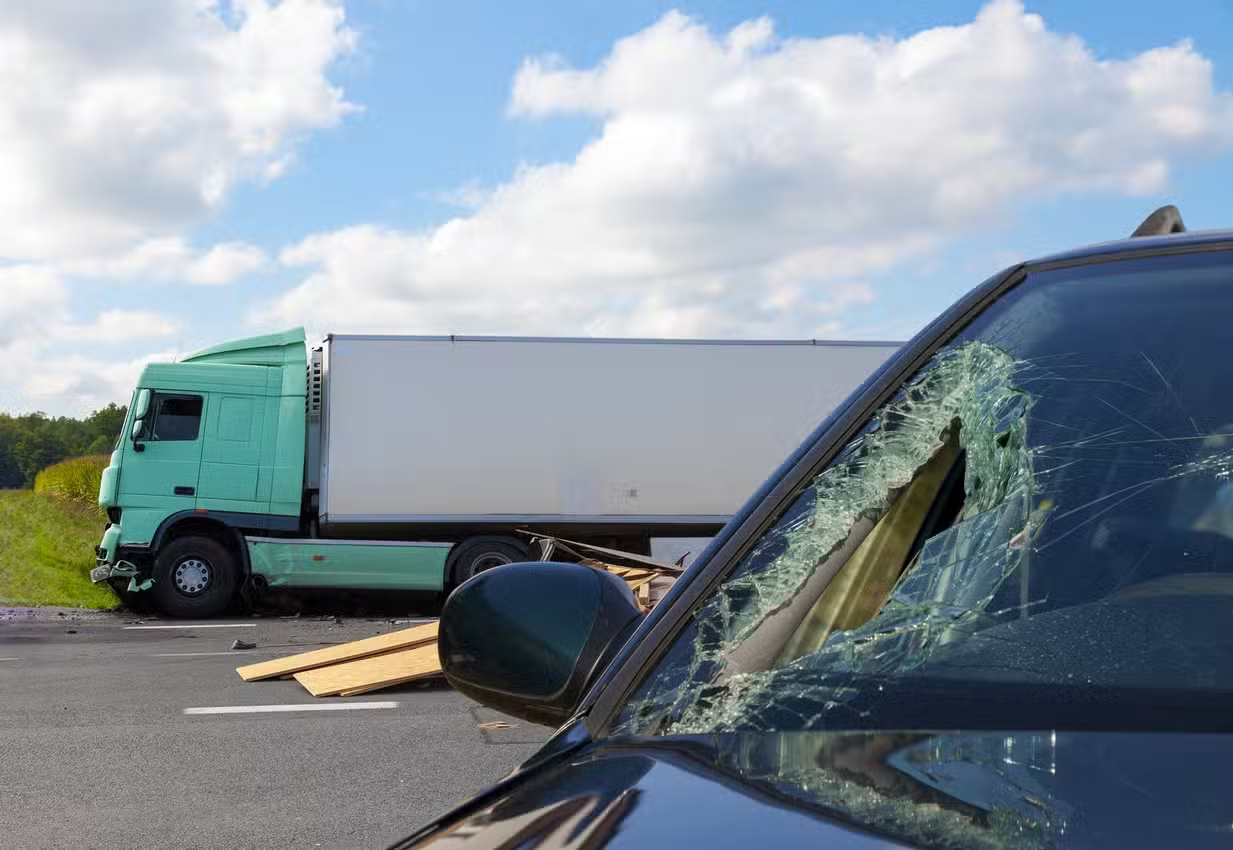

Truck accidents are often caused by a combination of human error, mechanical failure, and external conditions. Unlike regular car crashes, commercial truck collisions can be catastrophic due to the massive size and weight of the vehicles involved. Identifying the cause is one of the most important steps in proving liability and recovering compensation for injuries, lost wages, and property damage.
Driver Fatigue and Hours of Service Violations
One of the most well-documented causes of truck accidents is driver fatigue. Long-haul truckers often travel for 11 hours at a stretch, and despite federal regulations requiring rest breaks, many drivers push beyond legal limits to meet delivery deadlines. Fatigue affects reaction time, decision-making, and alertness—all of which are critical when operating a 40-ton vehicle. A drowsy driver is as impaired as one under the influence of alcohol, and even a momentary lapse in attention can lead to devastating consequences.

Speeding and Aggressive Driving
Large trucks take significantly longer to stop than passenger cars. When drivers exceed posted speed limits or follow other vehicles too closely, they often can't react in time to avoid a collision. Speeding is especially dangerous on curves, in construction zones, or during bad weather. Aggressive driving behaviors—such as weaving between lanes, braking late, or cutting off smaller vehicles—are also common contributors to serious crashes.
Distracted Driving Behind the Wheel
Distractions are another leading factor in truck-related accidents. Truck drivers often use mobile phones, GPS systems, CB radios, or in-cab tablets while driving. Even glancing away from the road for five seconds at highway speeds means traveling the length of a football field without looking. Eating, adjusting controls, or reviewing route documents can also reduce focus at critical moments.
Improperly Loaded Cargo
Cargo that is overloaded or unevenly distributed can destabilize a truck and lead to rollovers, jackknife accidents, or lost-load crashes. Federal regulations dictate how cargo should be secured, especially when transporting hazardous materials. If the load shifts during transit, it affects the truck's balance and steering. These incidents are often the result of negligence by the loading company, which may be different from the driver or carrier.
Inadequate Maintenance and Mechanical Failures
Truck fleets require regular maintenance to remain road-safe. Common mechanical failures include:
- Worn brake pads
- Tire blowouts or bald treads
- Faulty lights or reflectors
- Broken hitches or trailer connections
- Steering and suspension issues
When a component fails on the road, the truck may lose control instantly. If the issue was preventable through proper inspection or repair, the carrier or maintenance contractor may be held liable.
Poor Weather and Road Conditions
Rain, snow, fog, and high winds significantly increase the danger of operating large trucks. Slippery roads extend braking distances and reduce traction, making it harder to control a vehicle during sudden stops. Many weather-related truck accidents also involve other underlying issues—such as worn tires or inexperienced drivers who aren't trained to navigate in adverse conditions.
Lack of Proper Training or Certification
Some accidents occur because the driver lacked the training needed to handle a specific type of commercial vehicle or cargo. For example, transporting fuel or chemicals requires additional certifications. If a company hires drivers without adequate background checks, or skips hands-on training, it may be held responsible for any resulting crash.
Understanding the root cause of a crash helps clarify who is at fault and how victims can recover damages. In one post, we broke down what defines a commercial vehicle and how those definitions affect legal outcomes—including when a company can be held vicariously liable for driver actions.
In another article, we explored the most common truck accident injuries, like spinal trauma and traumatic brain injuries, and how these medical complications influence the value of a personal injury claim.
If you're unfamiliar with the unique challenges of these cases, our explanation of what counts as a commercial vehicle accident covers how these crashes differ from typical auto accidents—and why having a commercial vehicle accident attorney is often necessary to recover full compensation.

Michael Avanesian, the founder and driving force behind Avian Law Group, is a passionate and dedicated attorney with a strong background in personal injury law. As a partner at JT Legal Group, Michael led the growth of the personal injury practice from a single employee to a team of over ninety professionals, securing over $2 billion in settlements for clients in just three years.



.jpeg)