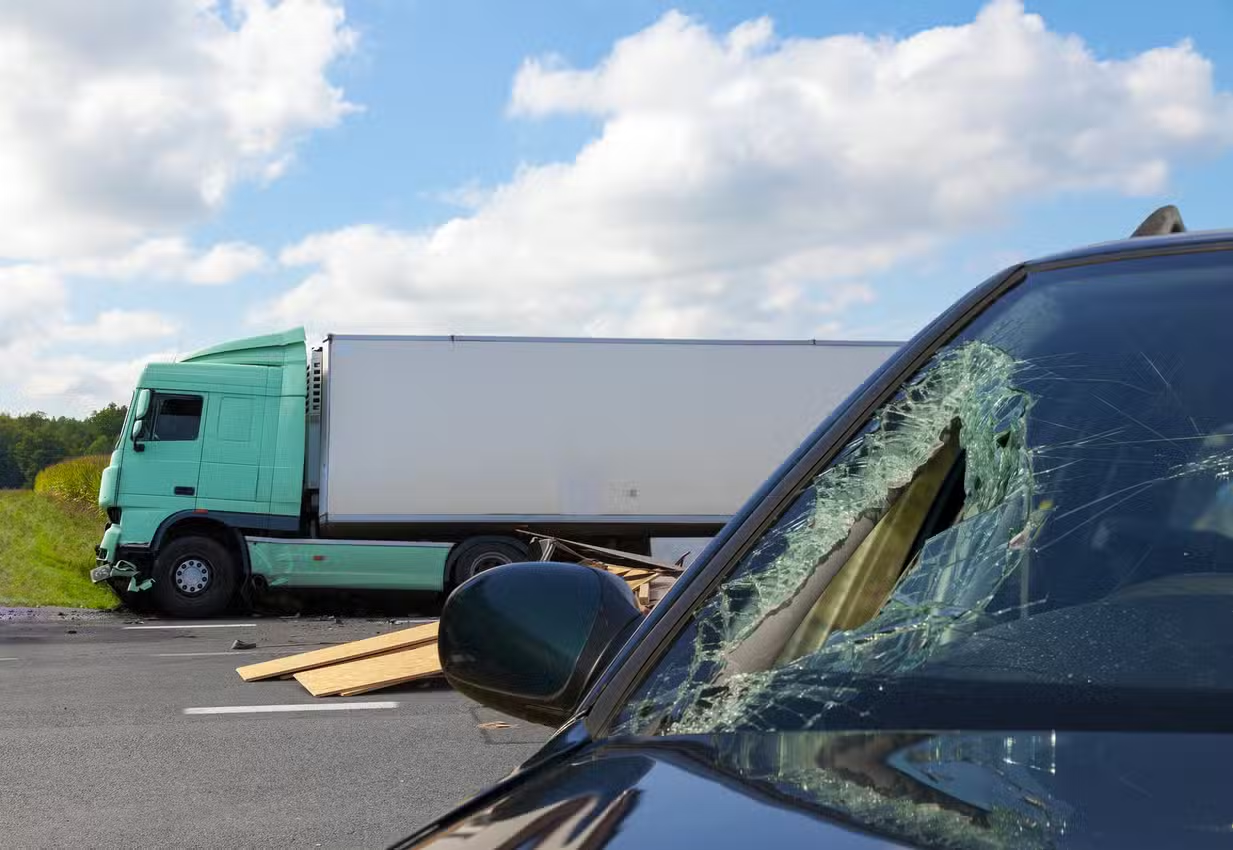

Truck accident injuries are often serious or life-threatening due to the massive weight and force involved in collisions with commercial vehicles. Victims may suffer from broken bones, head trauma, spinal damage, or internal injuries—many of which require long-term care. Because of the high risk of disability or death, these injuries are central to how damages are calculated in a legal claim.

Why Truck Accidents Cause Severe Injuries
Tractor-trailers and other commercial trucks can weigh up to 80,000 pounds when fully loaded. The force generated in a crash at highway speeds is exponentially greater than in typical car accidents. Even with seatbelts and airbags, passenger vehicle occupants often absorb the full impact of a truck crash. In underride accidents—when a smaller car slides underneath a trailer—the results can be especially devastating.
Unlike fender-benders between cars, truck accidents frequently lead to emergency medical response, surgeries, and months of rehabilitation. Understanding the medical consequences is key to documenting injuries and calculating fair compensation.
Traumatic Brain Injuries (TBI)
Head trauma is one of the most common—and serious—outcomes in truck accidents. TBIs can range from mild concussions to severe brain damage that results in permanent cognitive or physical impairment. Symptoms may include:
- Loss of consciousness
- Memory loss or confusion
- Mood swings or behavioral changes
- Sensitivity to light and sound
- Difficulty concentrating or speaking
Even so-called “mild” TBIs can have long-term effects, especially if not treated early. Diagnostic imaging and neuropsychological exams are often needed to confirm and monitor the injury over time.
Spinal Cord and Back Injuries
The spinal column is particularly vulnerable during high-impact crashes. Victims may experience:
- Herniated or bulging discs
- Nerve impingement or “pinched nerves”
- Compression fractures
- Full or partial paralysis (in spinal cord damage cases)
These injuries can limit mobility, cause chronic pain, or even lead to permanent disability. Treatments often involve physical therapy, steroid injections, or spinal surgery.
Broken Bones and Orthopedic Injuries
Fractures are another common result of truck collisions. Arms, legs, ribs, and facial bones are especially prone to breaking when a car is crushed or spun out. Compound fractures (where the bone pierces the skin) increase the risk of infection and require surgical repair. Some victims may need metal plates or screws to stabilize the bone, followed by weeks or months of rehabilitation.
Internal Injuries
Blunt force trauma during a truck crash can cause serious internal damage, including:
- Internal bleeding
- Collapsed lungs
- Punctured organs (liver, kidneys, spleen)
- Abdominal trauma requiring surgery
These injuries are not always visible at the scene. That’s why it’s critical to seek immediate medical attention—even if symptoms don’t appear right away. A delay in treatment can lead to life-threatening complications.
Psychological and Emotional Trauma
Truck accidents don’t just affect the body—they can also have long-lasting effects on a victim’s mental health. Common psychological conditions following a serious crash include:
- Post-traumatic stress disorder (PTSD)
- Anxiety or panic attacks
- Depression or insomnia
- Fear of driving
In many cases, emotional injuries require therapy, medication, and time off work. These damages are legally recognized in personal injury claims under pain and suffering.
In addition to injuries, victims must often navigate the legal system while still in recovery. If you’re unfamiliar with how these cases are handled, one helpful resource is our guide to what defines a commercial vehicle accident and how liability works when multiple parties are involved.
We also broke down the most common causes of truck crashes in a separate piece, highlighting how fatigue, mechanical failure, and improper loading frequently lead to accidents.
And if you’re not sure whether the truck that hit you counts as “commercial,” our recent writeup on what is considered a commercial vehicle explains the classifications used by both the FMCSA and state courts.
For victims facing long recoveries, speaking with a commercial vehicle accident attorney early can help preserve evidence, calculate damages, and protect your legal rights from the start.

Michael Avanesian, the founder and driving force behind Avian Law Group, is a passionate and dedicated attorney with a strong background in personal injury law. As a partner at JT Legal Group, Michael led the growth of the personal injury practice from a single employee to a team of over ninety professionals, securing over $2 billion in settlements for clients in just three years.



.jpeg)