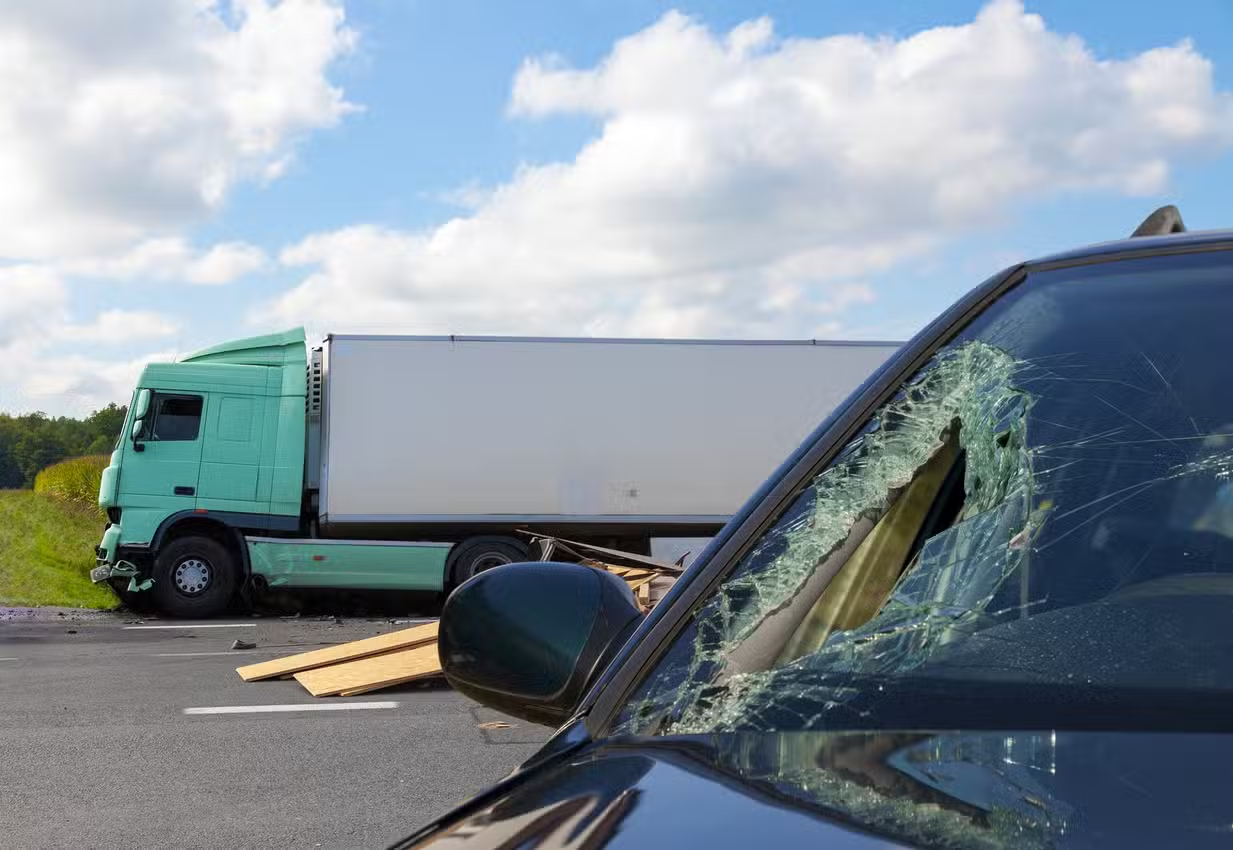

A commercial vehicle is any motor vehicle used primarily for business purposes, such as transporting goods, equipment, or passengers for compensation. While most people immediately think of 18-wheelers and delivery vans, the definition is broader and includes vehicles of varying sizes, types, and uses. Understanding what qualifies as a commercial vehicle is important in accident cases, especially when it comes to insurance, liability, and legal responsibility.
Legal Definitions of a Commercial Vehicle
Federal and state laws define commercial vehicles slightly differently, but most classifications align with guidelines from the Federal Motor Carrier Safety Administration (FMCSA). A vehicle is generally considered commercial if it:
- Has a gross vehicle weight rating (GVWR) of 10,001 pounds or more
- Is designed to carry 9 or more passengers for pay, or 15+ passengers not for pay
- Transports hazardous materials in quantities requiring placards
- Is registered or titled to a company or commercial entity
This definition includes not only big rigs and freight trucks, but also company cars, service vans, buses, limousines, rideshare vehicles used full-time, and construction vehicles like dump trucks and cement mixers.
Examples of Commercial Vehicles
Here’s a breakdown of vehicles commonly classified as commercial:
- Long-haul trucks and tractor-trailers
- Box trucks and delivery vans (e.g., Amazon, FedEx, UPS)
- Construction vehicles (bulldozers, dump trucks, backhoes)
- Passenger shuttles and tour buses
- Utility trucks for maintenance or repair services
- Rideshare vehicles used for business full-time
- Fleet vehicles owned by corporations or service companies
What matters most is the vehicle's purpose of use. A pickup truck used for weekend errands is not commercial, but the same truck used daily for a landscaping business likely is.
Why the Definition Matters in Accident Cases
When a commercial vehicle is involved in an accident, the legal process is often more complex. That’s because these vehicles are subject to special regulations and typically carry higher insurance coverage. Liability may extend beyond the driver to include their employer, a parent company, a vehicle maintenance provider, or even a third-party contractor.
If the at-fault party was driving a commercial vehicle, your claim may be handled differently—often with more documentation, deeper investigations, and a higher potential for compensation. A commercial vehicle accident attorney can help clarify how the vehicle classification affects your legal options.
Commercial License and Insurance Requirements
Drivers of commercial vehicles often need a Commercial Driver’s License (CDL), especially when operating vehicles over a certain weight or those transporting hazardous materials. Insurance requirements are also higher than those for private vehicles. For example:
- Intrastate vehicles (operating within one state) may require minimum liability coverage based on weight and cargo type
- Interstate vehicles (crossing state lines) must comply with FMCSA insurance regulations, which can range from $750,000 to $5 million
Failing to meet these requirements can lead to citations, suspended operations, and legal exposure for both the driver and employer.
If you’re unsure whether the vehicle that caused your crash qualifies as “commercial,” one helpful article explains exactly what happens in a commercial vehicle accident, including why these cases tend to result in more serious injuries and higher settlements.
We also examined the most common causes of truck accidents, from driver fatigue to overloaded cargo, and how identifying these factors can strengthen a personal injury claim.
Finally, our deep dive into common truck accident injuries outlines how spinal trauma, head injuries, and internal bleeding are often tied to crashes involving large vehicles and commercial equipment.

Michael Avanesian, the founder and driving force behind Avian Law Group, is a passionate and dedicated attorney with a strong background in personal injury law. As a partner at JT Legal Group, Michael led the growth of the personal injury practice from a single employee to a team of over ninety professionals, securing over $2 billion in settlements for clients in just three years.



.jpeg)