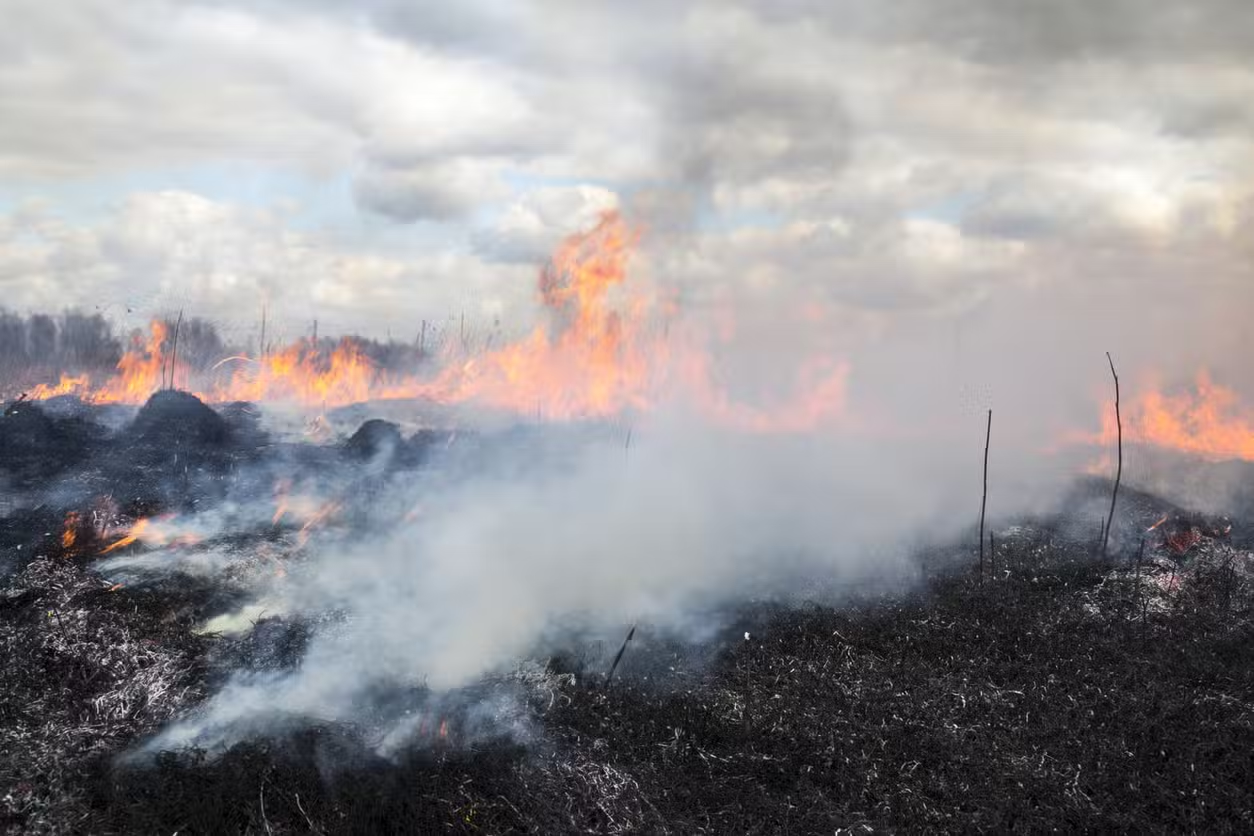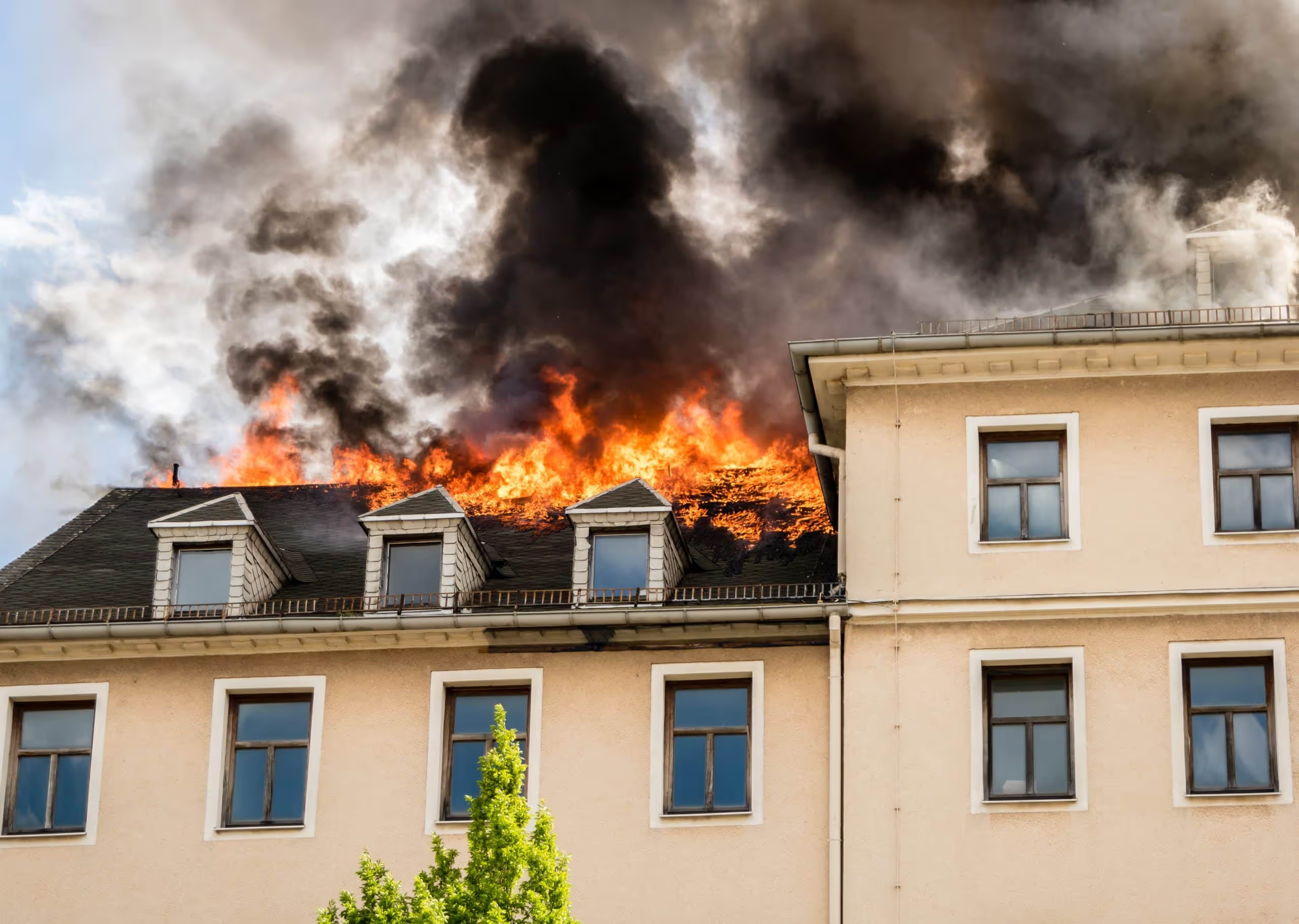


You can sue a utility company for starting a wildfire in California when evidence shows the company's equipment, negligent maintenance, or operational decisions caused the fire. California has an inverse condemnation doctrine that holds public utilities strictly liable for fire damage caused by their infrastructure in certain circumstances, regardless of whether negligence can be proven.
How Wildfires Are Traced to Utility Equipment
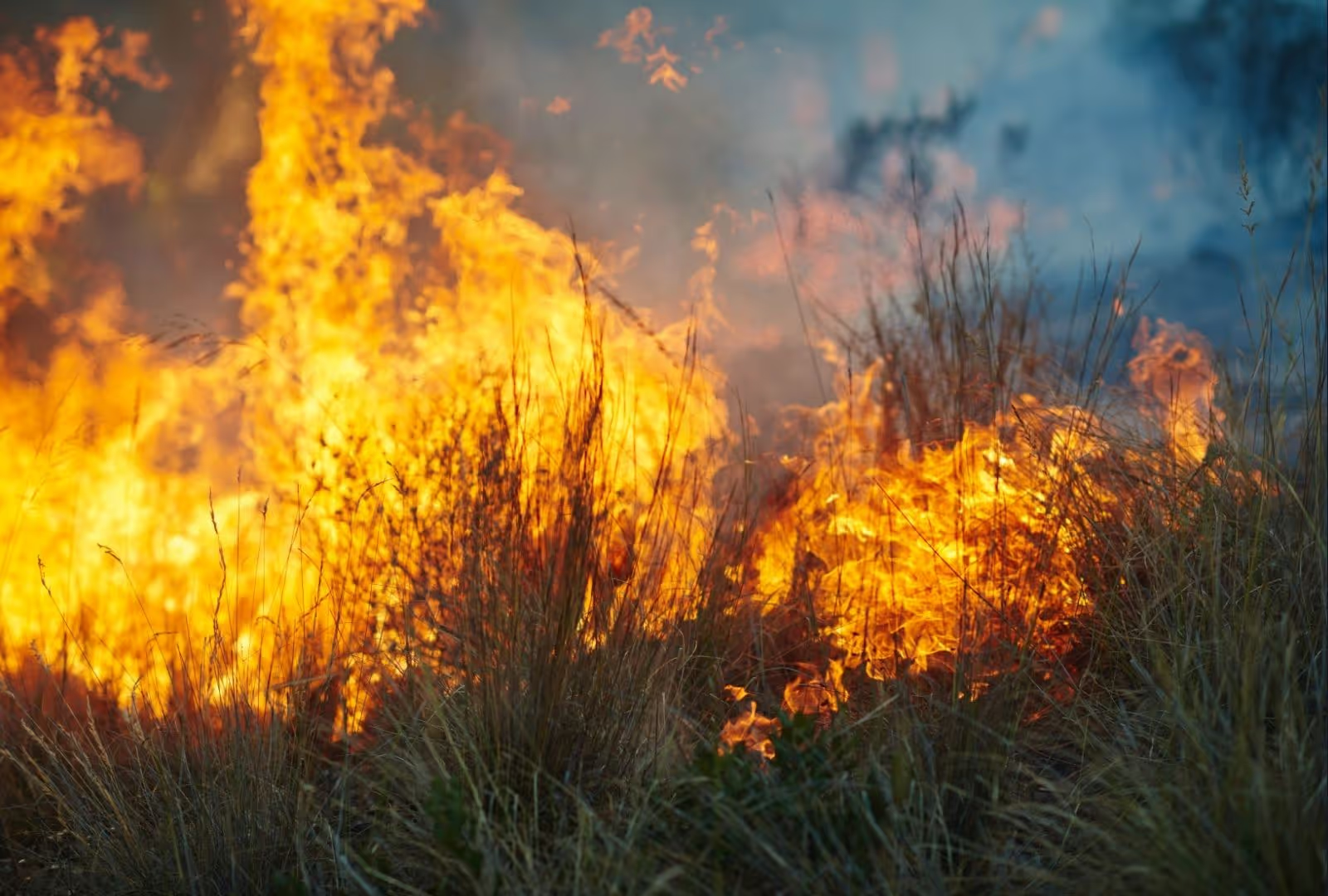
California wildfires are frequently ignited by power line failures, transformer explosions, and inadequately maintained equipment operating during high-wind conditions. The California Department of Forestry and Fire Protection investigates the origin and cause of every significant wildfire, and these reports are public records. CAL FIRE findings establish the factual foundation of utility liability claims. Southern California Edison, Pacific Gas and Electric, and San Diego Gas and Electric have all faced major wildfire litigation directly tied to their transmission and distribution infrastructure.

The Role of Inverse Condemnation in California Utility Liability
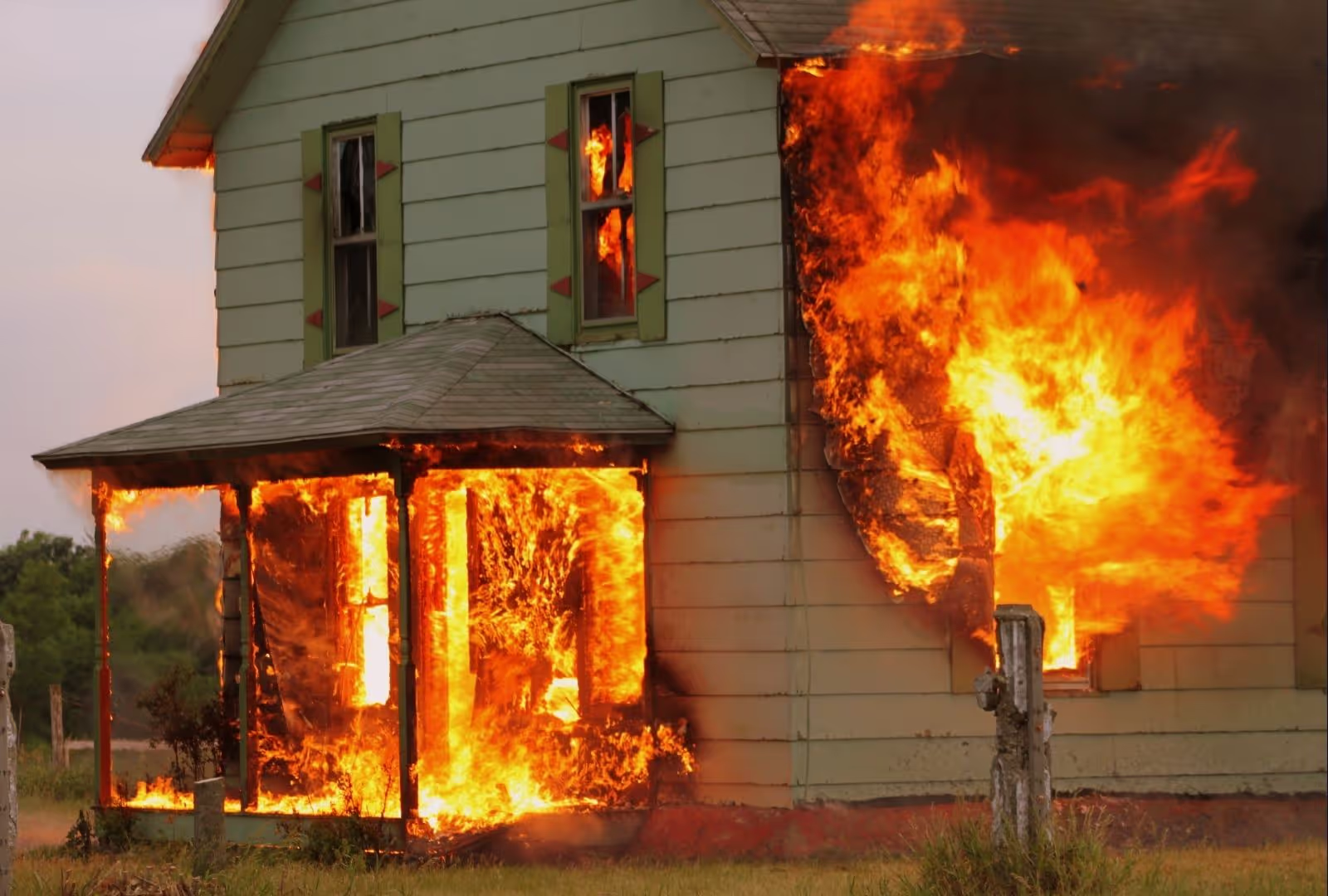
California's inverse condemnation doctrine allows property owners to recover from public utilities for property damage caused by the utility's facilities, even without proving the utility was negligent. Under this framework, if a power company's lines ignited a fire and your home was destroyed, you have a compensable legal claim as a matter of law. The California Supreme Court has upheld this doctrine in the context of utility-caused wildfires, though private utilities have challenged its application in ongoing regulatory proceedings.

Negligence Claims Against Private Utilities
Beyond inverse condemnation, property owners can pursue negligence claims by proving the utility failed to maintain safe equipment in accordance with its own maintenance schedule, ignored documented risks in high-fire-danger zones, did not de-energize lines during extreme weather conditions when legally required to do so under CPUC regulations, or failed to clear vegetation near power lines within the required brush clearance distances.

The Public Safety Power Shutoff Obligation
California utilities are required under CPUC guidelines to implement Public Safety Power Shutoffs during high-wind, low-humidity conditions that elevate wildfire ignition risk. If a utility chose not to shut off power when weather conditions and fire risk metrics clearly warranted a shutoff, and a fire resulted from energized lines during those conditions, that decision is a central element of a negligence claim against the company. PSPS decision documentation is a critical piece of evidence in utility fire litigation.
Class Actions vs. Individual Claims Against Utilities
Many wildfire victims join class action lawsuits against utility companies because class actions reduce individual legal costs and aggregate evidence across thousands of plaintiffs. Individual claims are also available and may yield higher recoveries for homeowners with significant property losses, wildfire-related medical injuries, or substantial business interruption damages not adequately compensated in a class settlement. The right approach depends on the specific extent of your losses and whether a class recovery formula adequately compensates your individual harm.
Statute of Limitations for Utility Wildfire Claims
Inverse condemnation claims against public utilities in California generally carry a 3-year statute of limitations, but this analysis becomes more complex when both private negligence and inverse condemnation theories are pursued simultaneously. Consulting an attorney as soon as CAL FIRE identifies a utility as the responsible ignition source is critical to preserving all available legal theories.
What Documentation You Need to Pursue a Utility Claim
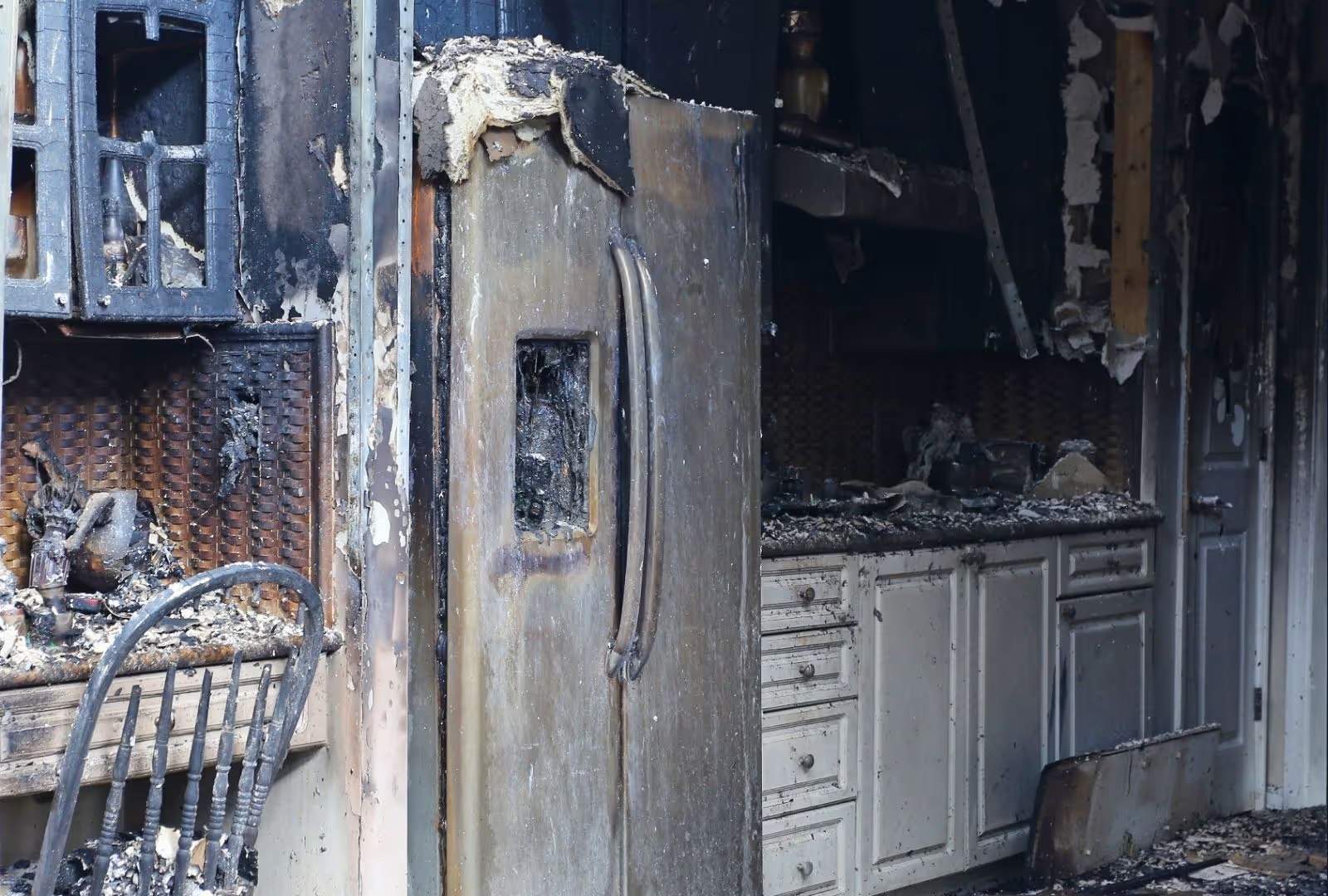
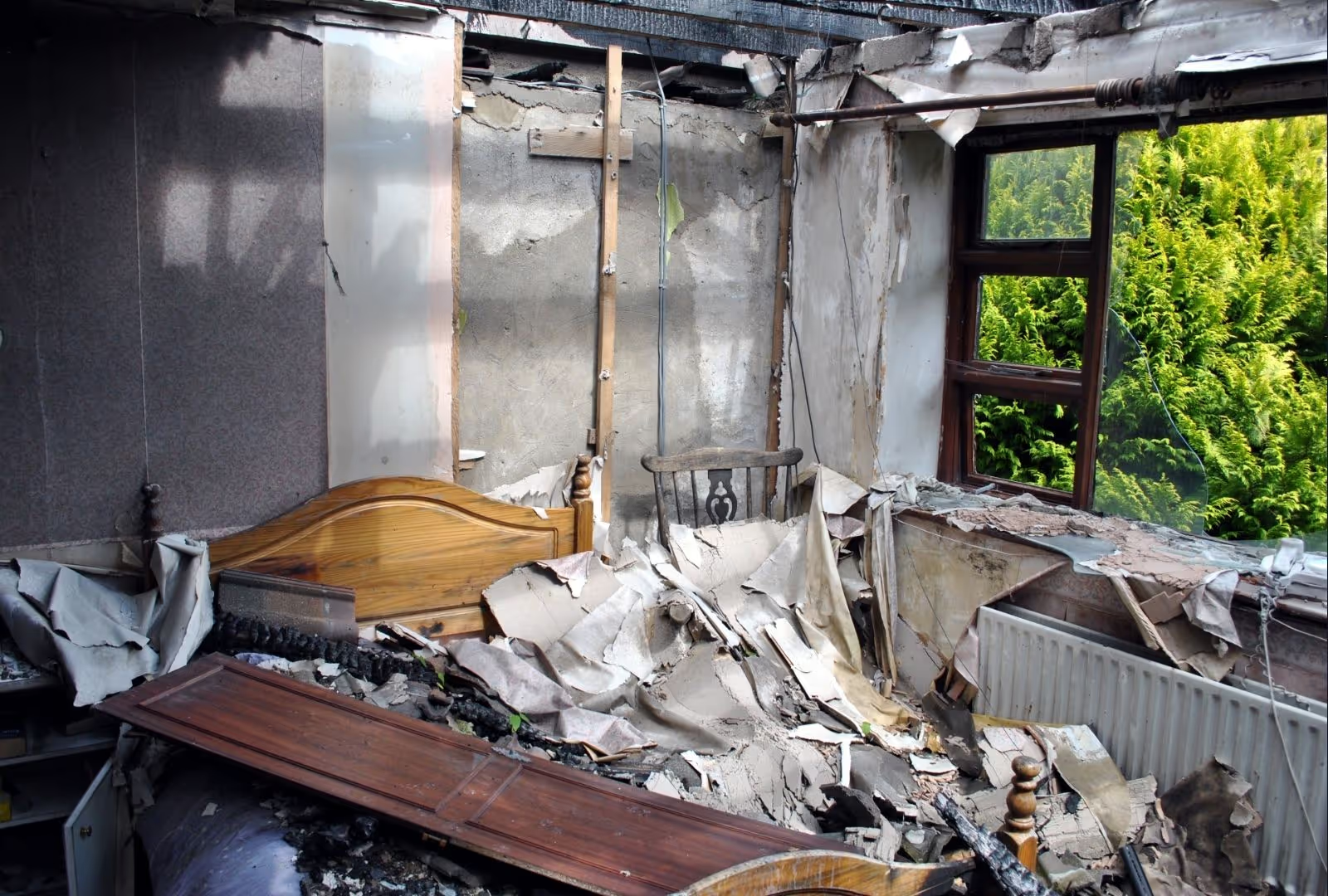
A viable utility claim requires the CAL FIRE investigation report identifying the ignition source, your property insurance records and complete coverage details, independent property damage assessments, comprehensive photographs of all damage, records of prior utility infrastructure complaints in your geographic area, and expert testimony connecting your specific property loss to the identified ignition point. Utility companies respond to these claims with teams of engineers and attorneys, and matching that preparation requires thorough case development from the outset. Obtaining CAL FIRE reports immediately after they are published publicly, before the utility company has time to develop and coordinate its own contrary engineering narrative, is one of the most time-sensitive investigative steps in any California utility fire litigation.
Filing a utility liability claim does not automatically prevent you from also filing a claim against your homeowners insurance. Many wildfire victims pursue both tracks simultaneously: the insurance claim for early interim payments and the utility liability claim for full long-term recovery. An attorney managing both tracks ensures that insurer payments are structured to preserve, rather than offset, the utility liability recovery.
Work With Avian Law Group
Our ash and soot damage attorneys investigate utility liability and pursue compensation from both insurers and responsible utility companies on behalf of wildfire victims.
When fire damage results in personal injury or fatalities, our personal injury lawyers handle wildfire injury claims where utility negligence is the underlying cause.
If your insurer has also denied or delayed your wildfire claim, our fire damage attorneys pursue both the insurer and the utility company under a single representation.

Michael Avanesian, the founder and driving force behind Avian Law Group, is a passionate and dedicated attorney with a strong background in personal injury law. As a partner at JT Legal Group, Michael led the growth of the personal injury practice from a single employee to a team of over ninety professionals, securing over $2 billion in settlements for clients in just three years.