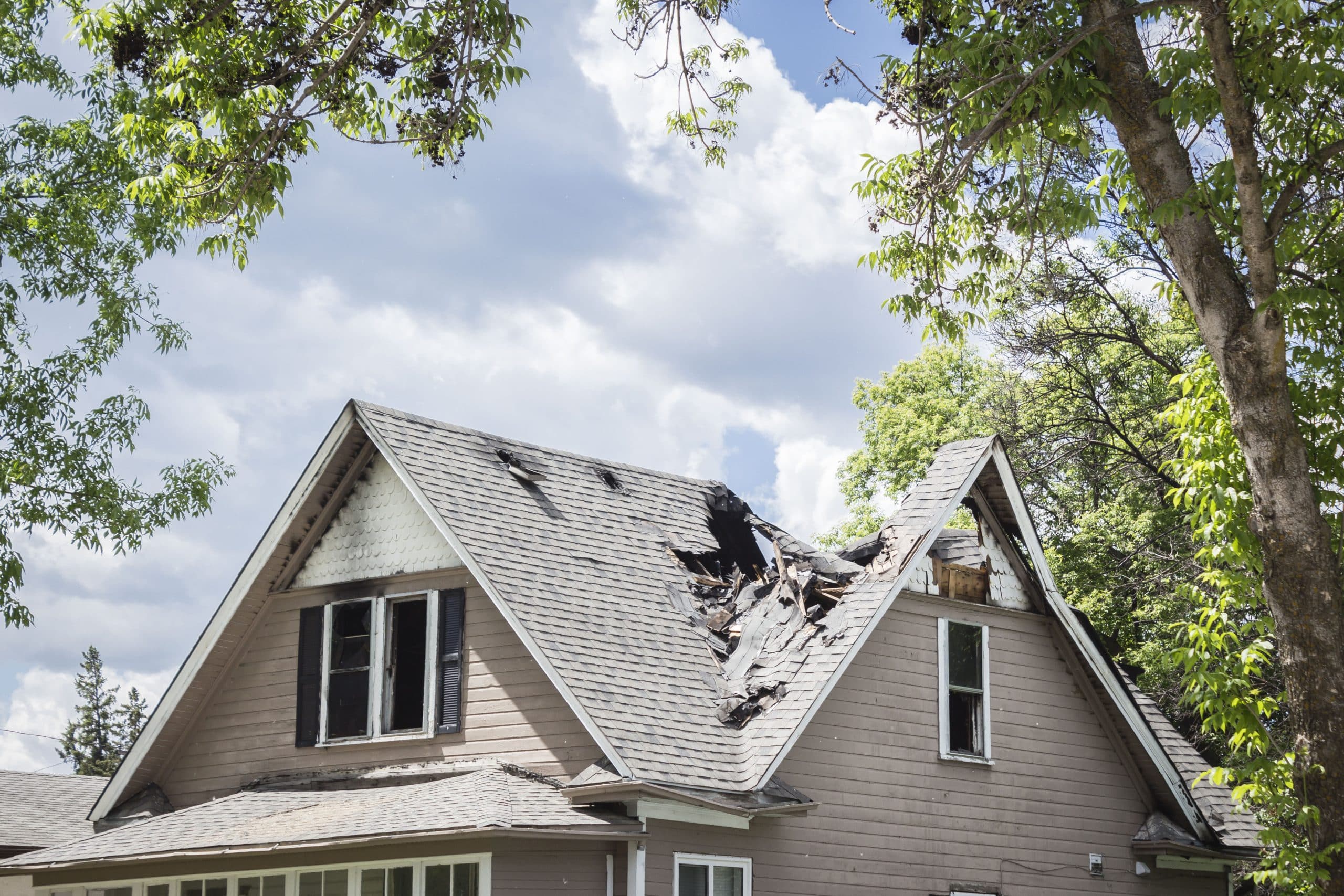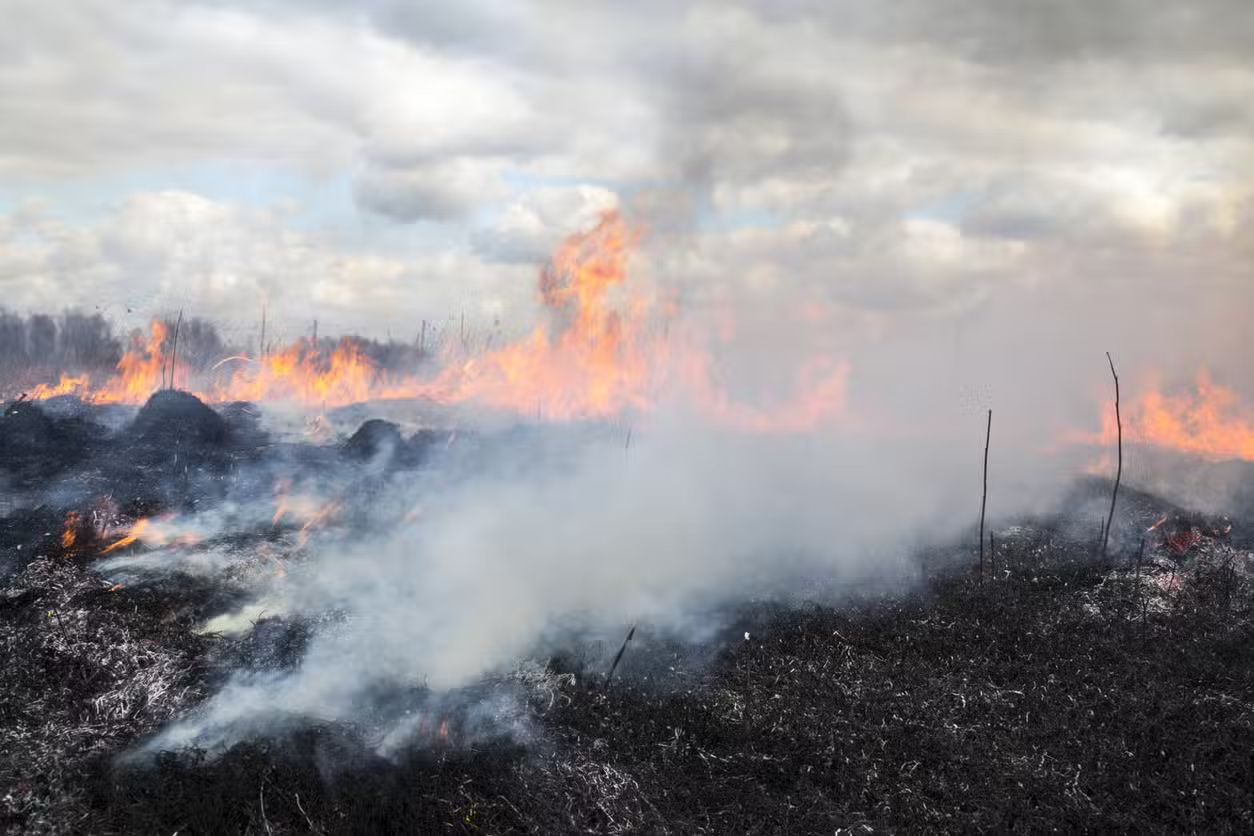

To get the most out of a fire-damage insurance claim, you need clear documentation, fast reporting, and a strategic approach to working with adjusters. Fire losses involve structural damage, destroyed belongings, smoke contamination, and long-term repair needs. When claimants document everything early and follow the correct steps, they improve their chance of receiving full compensation instead of a reduced settlement.
Why Does Fast Reporting Improve Your Claim?
To protect your coverage, report the fire to your insurer immediately. Insurance companies evaluate claims based on when damage was discovered, how quickly it was reported, and whether additional losses occurred due to delays. Fast reporting creates a clear timeline, prevents disputes about coverage, and ensures emergency repairs can begin.
What Documentation Should You Gather Immediately?
To support your claim, collect detailed evidence of structural damage, smoke contamination, and lost belongings. Strong documentation prevents insurers from downgrading the severity of the loss.
Useful documentation includes:
- Photos and videos of every affected room
- A written inventory of destroyed or damaged items
- Receipts or bank statements proving the value of belongings
- Fire department reports
- Contractor estimates for repairs
Clear evidence reduces arguments and establishes the full cost of the damage early in the claim.
Should You Move or Touch Damaged Items?
To prevent disputes, leave items in place whenever possible until the adjuster inspects the property. Insurers want to verify losses before removal. If safety requires moving items, document their original condition thoroughly. Smoke-damaged items, charred materials, and ruined appliances are important evidence during inspection.
How Do You Calculate the Full Scope of Fire Damage?
To maximize compensation, identify both visible and hidden losses. Fire-damage claims include more than burned materials. Smoke, soot, and water used for extinguishing the fire can destroy property that appears undamaged at first glance.
Common categories of covered losses include:
- Structural repairs
- Roof, wall, and flooring replacement
- HVAC and electrical system restoration
- Furniture and appliance replacement
- Clothing, electronics, and personal items
- Smoke odor removal
- Temporary relocation costs
Organizing your claim by category helps ensure no losses are overlooked and gives structure to the insurance review process.
Why Should You Request Multiple Repair Estimates?
To strengthen your claim, gather at least two or three estimates from licensed contractors. Insurers compare these estimates to evaluate repair costs. When there is only one estimate, insurers often argue that the repair price is inflated. Multiple quotes show a fair market range, preventing undervaluation.
Should You Accept Cleanup Services Offered by the Insurer?
To protect your rights, review any recommended vendors before agreeing. Insurance companies often suggest preferred contractors, but you are not required to use them. Some preferred vendors may limit the scope of repairs to minimize insurer costs. Independent specialists can provide unbiased opinions and identify damage the insurer’s vendor might overlook.
How Does Policy Language Affect Fire-Damage Claims?
To understand coverage limits, review the fire, smoke, and property-damage sections of your policy. Policies differ in how they handle replacement costs, depreciation, and temporary living expenses. Misunderstanding exclusions or limitations leads to reduced payouts. When something seems unclear, request clarification in writing so disputes do not arise later.
For deeper guidance on how these policies are applied, a fire damage lawyer familiar with fire damage claims can help interpret ambiguous sections and protect your rights.

Why Is Communication with the Adjuster Important?
To keep the process efficient, respond quickly to adjuster requests and provide additional documents as needed. Adjusters evaluate timelines, communication patterns, and cooperation when forming their recommendations. Always keep a written record of conversations, agreements, and requested documents. This protects you if the insurer disputes part of the claim later.
Can You Challenge the Adjuster’s Initial Estimate?
To ensure accuracy, compare the insurer’s estimate with your independent contractor reports. Adjusters sometimes underestimate repair costs, ignore hidden damage, or apply depreciation incorrectly. When estimates differ significantly, request a reinspection. Supporting evidence often leads to a higher approved value.
If disputes remain, legal support can help structure communication through a personal injury lawyer skilled in insurance claims to present your documentation effectively.
Should You Include Temporary Living Expenses in the Claim?
To avoid paying out of pocket, include relocation and temporary living expenses. Most policies cover hotel stays, rent, meals, and transportation during repairs. Keep every receipt and organize them by date. These expenses accumulate quickly, and documenting them ensures they are reimbursed correctly.
How Do You Strengthen Your Claim During Negotiations?
To strengthen your negotiating position, present every category of damage clearly and demonstrate long-term effects. Fires often produce structural issues, lingering smoke odors, and mechanical failures that appear months later. Request that inspections include attic spaces, HVAC systems, insulation, and wiring.
If the insurer attempts to minimize compensation, a personal injury lawyer experienced in property damage claims can use your evidence to secure appropriate reimbursement.
Final Takeaway
The best way to get the most out of a fire-damage insurance claim is to document losses thoroughly, understand your policy, obtain multiple repair estimates, and track every expense. Fires create complex damage that requires detailed evidence to support full compensation. With strong documentation and structured communication, you can protect your rights and ensure all repair, replacement, and relocation costs are included in your settlement.

Michael Avanesian, the founder and driving force behind Avian Law Group, is a passionate and dedicated attorney with a strong background in personal injury law. As a partner at JT Legal Group, Michael led the growth of the personal injury practice from a single employee to a team of over ninety professionals, securing over $2 billion in settlements for clients in just three years.