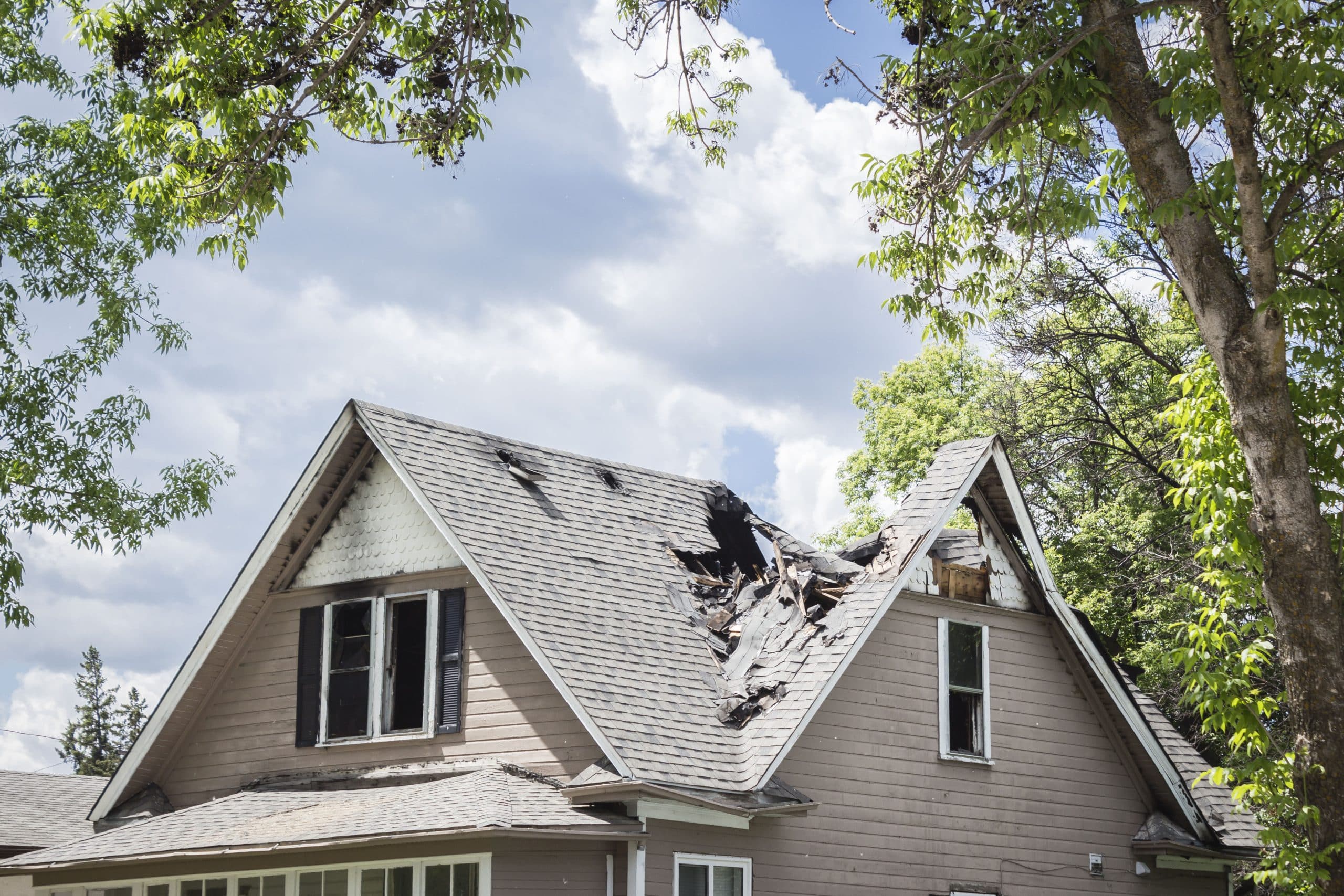

Fire insurance covers structural damage, personal property losses, smoke and soot contamination, and additional living expenses when a fire forces you out of your home. Policies vary, but most include coverage for the building itself, belongings inside, and the costs of temporary relocation. Understanding exactly what your policy covers helps you avoid surprises and ensures you claim the full amount you’re entitled to.
Why Do You Need to Understand Your Fire Insurance Policy?
To secure full compensation, you must know what the insurer pays for and what requires additional documentation. Fire losses involve more than flames. Smoke, heat, soot, and water from firefighting efforts all create damage that must be evaluated. When you understand coverage categories, you can present a complete claim and prevent the insurer from overlooking or minimizing losses.
What Structural Damage Does Fire Insurance Cover?
To protect your home, fire insurance covers damage to walls, floors, roofs, windows, and other physical components of the structure. It also covers attached items such as built-in cabinets, plumbing, and wiring. Structural repairs make up the largest portion of many fire damage claims, and they require detailed estimates from licensed contractors.
Typical structural coverage includes:
- Roof and framing repairs
- Drywall and insulation replacement
- Window and door replacements
- Electrical and plumbing system restoration
- HVAC repairs or replacements
When fire penetrates rafters, attics, or wiring, hidden damage is also included as long as it results from the fire.

Does Fire Insurance Cover Personal Belongings?
To protect your possessions, fire insurance covers personal property such as clothing, furniture, appliances, electronics, and household items. Belongings are usually insured up to a percentage of the total policy limit. Policies vary in whether they pay Actual Cash Value (ACV) or Replacement Cost Value (RCV). RCV pays the amount needed to buy a new replacement, while ACV subtracts depreciation.
Common covered items include:
- Clothing, linens, and bedding
- Furniture and mattresses
- Electronics
- Kitchenware and small appliances
- Tools, décor, and hobby equipment
Victims strengthen claims by presenting inventories and receipts whenever available.

Does Fire Insurance Cover Smoke and Soot Damage?
To ensure full recovery from contamination, most policies cover smoke and soot damage. Smoke often travels far from the burn site, damaging walls, ceilings, fabrics, and ventilation systems. Because smoke particles penetrate deeply, removal requires professional cleaning.
Covered smoke-related losses include:
- Odor removal
- Clothing and fabric cleaning
- Ductwork and HVAC cleaning
- Soot removal from walls, ceilings, and surfaces
Smoke contamination is one of the most common overlooked components of property damage, which is why detailed documentation is essential.
Does Fire Insurance Cover Water Damage from Firefighting?
To address secondary damage, most policies cover water damage caused by fire suppression efforts. Water used to extinguish flames can soak floors, walls, electrical systems, and belongings. Mold growth from trapped moisture is also typically covered as long as it results from the firefighting effort and not from delayed reporting.
What Additional Living Expenses Are Covered?
To support families displaced by fires, most policies include coverage for Additional Living Expenses (ALE). ALE pays for temporary housing, meals, transportation, and basic necessities when the home becomes uninhabitable.
Common ALE benefits include:
- Hotel stays
- Temporary rental costs
- Meals beyond normal household spending
- Laundry expenses
- Pet boarding if needed
Victims must keep all receipts so insurers can verify the amounts.
Are Detached Structures Covered?
To protect secondary buildings, many policies cover detached structures such as garages, sheds, gazebos, and workshops. Coverage limits are usually a percentage of the total dwelling coverage. This is important when fires spread unexpectedly or when heat damage affects structures near the home.
Does Fire Insurance Cover Landscaping Damage?
To restore outdoor spaces, some policies cover landscaping losses such as burned fences, destroyed plants, damaged decks, or melted outdoor lighting. Coverage varies, and some items have lower limits. Documenting all exterior damage ensures nothing is missed during inspections.
What Exclusions Should You Be Aware Of?
To avoid surprises, review exclusions that may limit compensation. Policies sometimes exclude:
- Arson committed by the homeowner
- Vacant property damage
- Electrical issues that result from neglect
- Long-term maintenance problems unrelated to a fire
Understanding exclusions helps you prepare supporting documentation when insurers question coverage.
How Do You Confirm Replacement Cost vs. Actual Cash Value?
To understand how your payout is calculated, check whether your policy pays ACV or RCV for both structure and belongings. RCV provides the most protection because it reimburses the full cost to replace damaged items. ACV subtracts depreciation, leading to lower payouts.
A practical question to ask your insurer is:
“Does my policy cover replacement cost for both the home and my personal property?”
How Do You Ensure All Covered Damage Is Accounted For?
To protect your claim, conduct a full home walkthrough with the adjuster and take your own photos. Fires create a mix of visible and hidden damage. Independent contractor estimates and professional inspections often reveal additional losses that insurers miss in the initial report.
Working with a fire damage attorney familiar with insurance claims ensures that documentation is complete, accurate, and presented effectively.
Final Takeaway
Fire insurance covers structural damage, personal property losses, smoke contamination, water damage from firefighting, and temporary living expenses. Because fires create complex and layered damage, understanding your policy helps you document everything correctly and avoid missing compensation. Thorough inspection, clear inventory lists, and careful review of coverage limits ensure you receive the full value of your claim.

Michael Avanesian, the founder and driving force behind Avian Law Group, is a passionate and dedicated attorney with a strong background in personal injury law. As a partner at JT Legal Group, Michael led the growth of the personal injury practice from a single employee to a team of over ninety professionals, securing over $2 billion in settlements for clients in just three years.