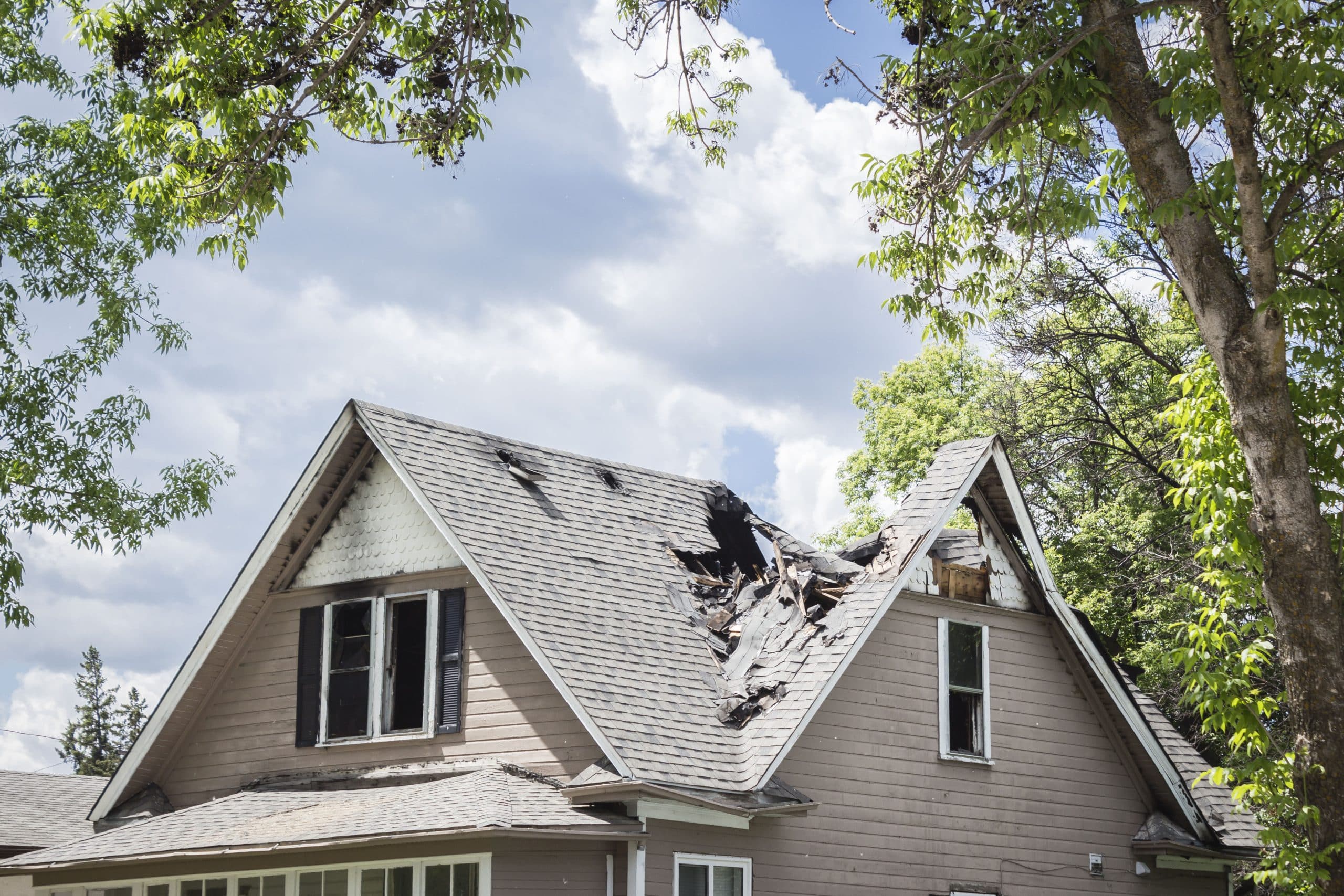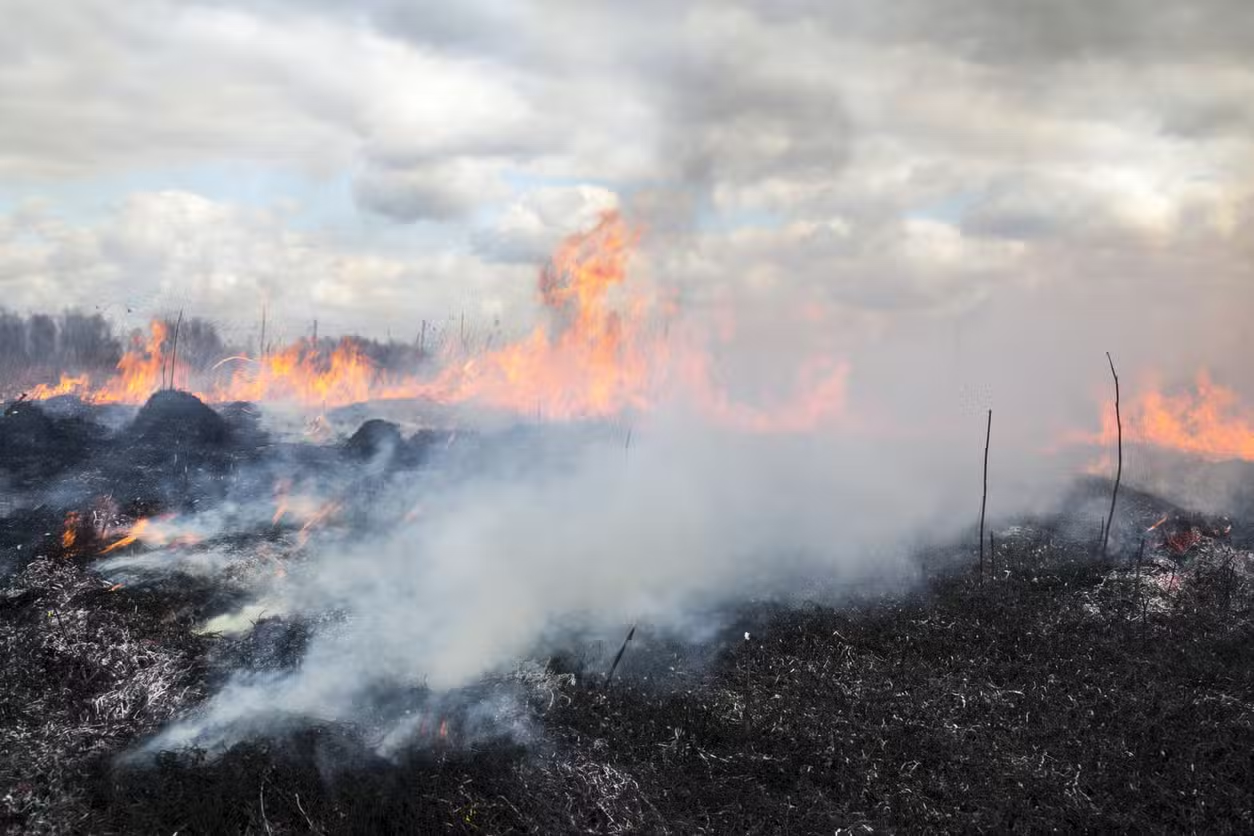

To get the most from a fire-damage insurance claim, you need clear information about coverage, documentation requirements, and how the insurer evaluates losses. Asking the right questions early helps you avoid delays, prevent misunderstandings, and secure full compensation for repairs, personal property, and temporary living costs. Structured questions guide the insurer to provide specific answers rather than vague explanations.

Why Do the Right Questions Matter After a Fire?
To protect your claim, ask targeted questions because insurers evaluate losses based on documentation, timelines, and policy rules. When you know what the insurer needs and how the process works, you reduce disputes and make it harder for the company to undervalue repairs or replacement costs.
What Damage Is Covered Under My Policy?
To understand your coverage, ask the insurer which parts of the fire loss are included. Fire-related claims often cover structural repairs, personal belongings, smoke damage, electrical issues, and water damage from firefighting efforts. Policy language determines whether the claim pays for replacement value or depreciated value.
A clear question to ask:
“What specific fire-related losses does my policy cover, including hidden or secondary damage?”
This helps confirm that smoke, soot, and water damage are evaluated thoroughly during your fire damage claim and positions you to work effectively with a fire damage lawyer if a dispute arises.
How Should I Document Structural and Personal Property Losses?
To avoid missing compensation, ask what documentation the insurer requires. Photos, videos, contractor estimates, and itemized lists of belongings create the strongest evidence. Some insurers require receipts, while others accept bank statements or manufacturer details.
Key question to ask:
“What specific documents, inventories, or proof of ownership do you require so my claim moves forward without delays?”
Will an Adjuster Inspect All Areas or Only Visible Damage?
To ensure a full evaluation, confirm the scope of the adjuster’s inspection. Fires often cause damage behind walls, in attics, inside HVAC systems, and throughout insulation. Ask the adjuster to inspect both visible and hidden areas so nothing is overlooked.
A practical question:
“Will your inspection include attic spaces, electrical systems, ductwork, insulation, and other areas where hidden fire damage may exist?”
How Does the Insurance Company Calculate Repair Costs?
To protect your claim value, ask how repair estimates are calculated and whether independent contractor bids will be compared to the insurer’s estimate. Insurers sometimes use standard pricing software that underestimates regional labor or material costs.
Ask the insurer:
“Will my contractor’s estimates be considered alongside the company’s estimate, and what happens if the numbers differ?”
This prevents undervaluation during insurance claims review.
Am I Required to Use the Insurer’s Preferred Vendors?
To maintain control over repairs, verify whether you can choose your own contractors. Insurers may recommend vendors, but you are not required to use them. Independent contractors often provide more detailed evaluations and identify overlooked damage.
Ask:
“Am I free to choose my own contractor, or must I use vendors from your preferred list?”
What Are My Temporary Living Benefits and How Do I Claim Them?
To avoid paying out of pocket, ask about coverage for hotel stays, meals, transportation, and rental housing. These expenses fall under Additional Living Expenses (ALE), and policies differ in daily limits or total coverage.
Ask:
“What temporary living expenses are covered, what documentation is needed, and what is the maximum duration of the benefit?”
How Long Will the Claim Process Take?
To plan effectively, request a timeline. Fire claims involve multiple steps, including inspection, documentation review, estimate preparation, and negotiation. Knowing how long each step takes helps you stay organized.
A helpful question:
“What is the expected timeline for inspection, estimate completion, and payment?”
Can I Request a Reinspection if Damage Is Missed or Undervalued?
To protect your rights, ask how to challenge incomplete or inaccurate reports. Fires often cause lingering or hidden damage that appears weeks later.
Ask:
“If repair estimates seem inaccurate or if new damage becomes visible, can I request a reinspection or a revised estimate?”
How Will Depreciation Affect My Payment?
To avoid surprises, clarify how depreciation is handled. Some policies pay Actual Cash Value (ACV) initially and release Replacement Cost Value (RCV) after repairs are completed. Others apply depreciation without reimbursement.
Ask:
“How does depreciation apply to my damaged items, and will you reimburse depreciation after repairs or replacements?”
What Steps Should I Take to Avoid Delays or Denials?
To keep the process moving, ask the adjuster which actions ensure the claim stays on track. Completing documents quickly, responding to requests, and organizing receipts improve efficiency.
Ask:
“What steps can I take right now to keep my claim moving forward and avoid avoidable delays?”
How Should I Handle Disagreements During Negotiation?
To prepare for disputes, ask what options are available when you disagree with the insurer’s decision. Some policies allow appraisals, mediations, or third-party evaluations.
Ask:
“What is the dispute-resolution process if we disagree about repair costs or coverage?”
Legal support may also be beneficial. Attorneys knowledgeable in settlement negotiations ensure your documentation is presented clearly and that insurers follow policy rules without undervaluing damage.
Final Takeaway
The best way to maximize a fire-damage insurance claim is to ask clear, specific questions that define coverage, documentation requirements, timelines, and repair protocols. When you understand what insurers need and how decisions are made, you can challenge inaccurate estimates, secure full reimbursement, and avoid delays. Structured communication and organized evidence are your strongest tools for obtaining a fair and accurate payout.

Michael Avanesian, the founder and driving force behind Avian Law Group, is a passionate and dedicated attorney with a strong background in personal injury law. As a partner at JT Legal Group, Michael led the growth of the personal injury practice from a single employee to a team of over ninety professionals, securing over $2 billion in settlements for clients in just three years.