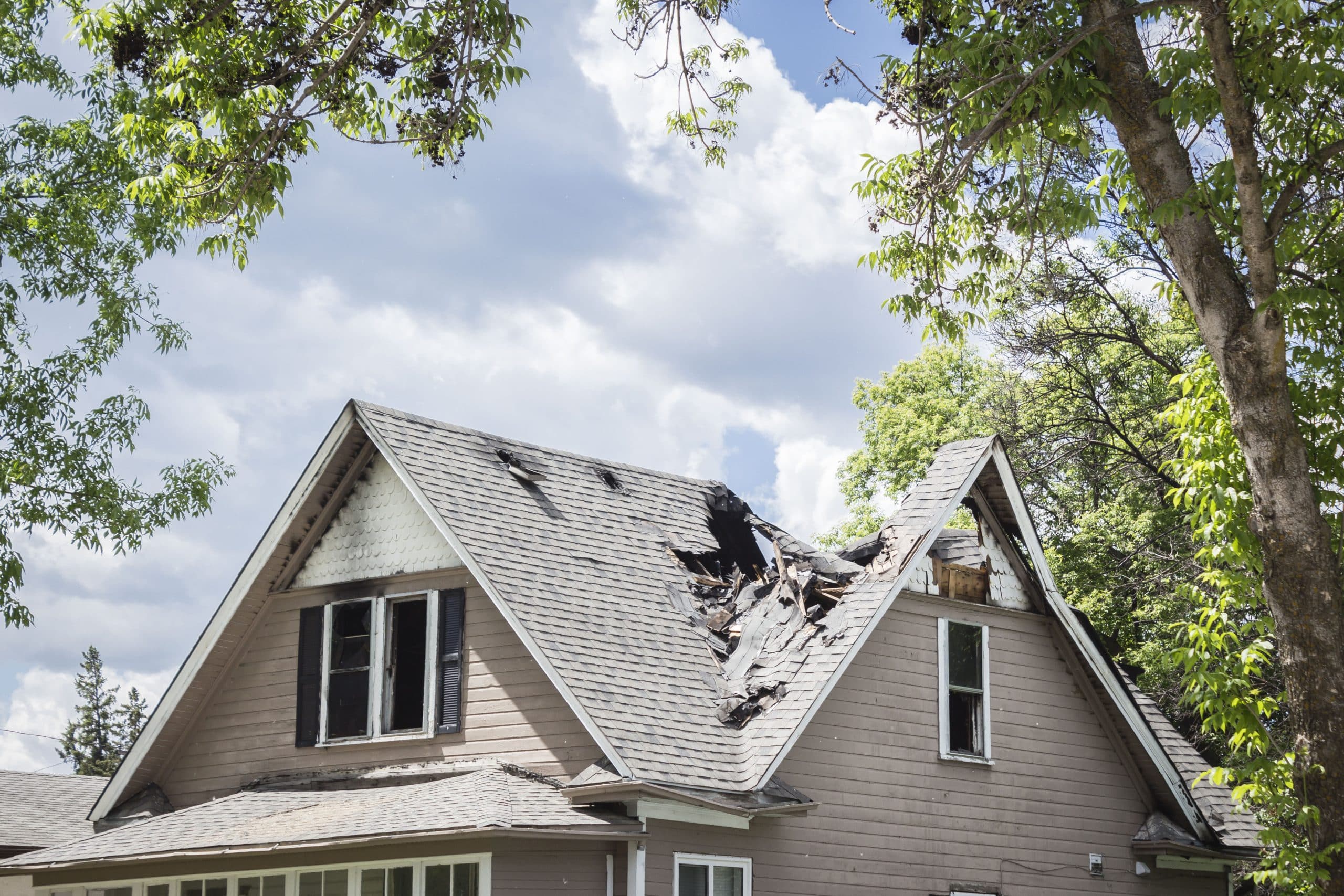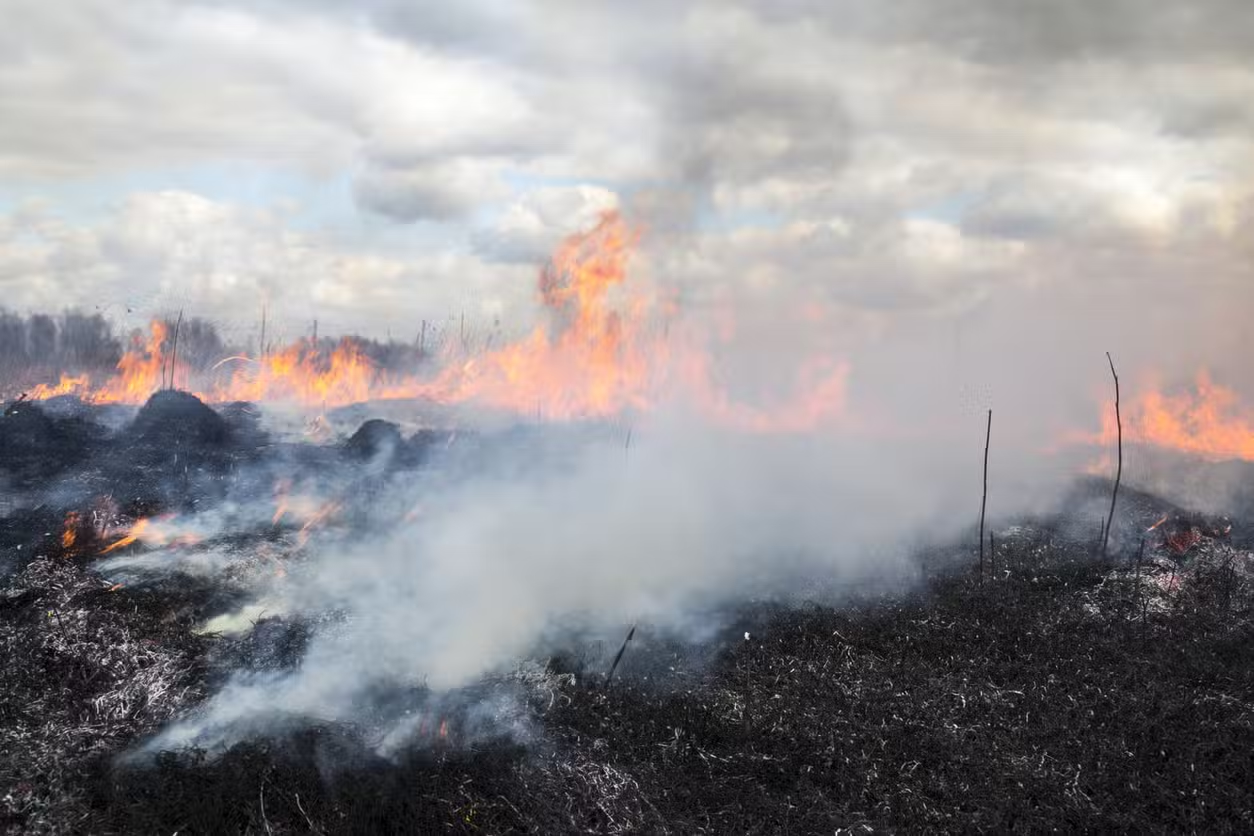

Most standard homeowners policies cover direct fire damage but exclude or severely limit coverage for ash, soot, and smoke contamination that reaches homes outside the active fire perimeter. If your home was not burned but was coated in wildfire particulates, you are likely fighting for coverage your insurer is motivated to deny.
Why Ash and Soot Are Treated Differently Than Fire Damage
Insurance companies categorize wildfire damage by proximity to the fire and the nature of the physical loss. Homes directly destroyed by flames receive different treatment than neighboring properties that sustained soot infiltration, toxic ash deposits, and HVAC system contamination. Adjusters frequently dispute whether secondary ash and smoke damage meets the threshold for a covered loss under the specific policy language. The result is that homeowners who escaped direct flame contact often fight harder for coverage than those whose homes burned entirely.
What Wildfire Ash Actually Does to a Home
Wildfire ash is not ordinary dirt. California wildfire ash contains heavy metals including arsenic, lead, and mercury, asbestos fibers from burned older structures, and carcinogenic compounds from combusted synthetic materials. These particulates penetrate HVAC systems, embed in insulation, contaminate ductwork, and settle on every interior surface. Professionally remediated ash claims in Los Angeles and Altadena following the 2025 fires averaged between $40,000 and $150,000 depending on property size and contamination intensity.
Common Exclusions Insurers Apply to Ash and Soot Claims
Policies that cover direct fire damage frequently contain exclusions that insurers apply aggressively to secondary contamination claims:
- Pollution exclusions, citing wildfire ash as airborne particulate matter falling within the policy's pollution definition
- Gradual damage exclusions, arguing that contamination accumulated over time rather than resulting from a sudden event
- Lack of physical loss arguments, claiming that air quality degradation alone does not constitute a covered peril
- Scope disputes where the insurer argues basic cleaning is sufficient rather than full professional remediation
FAIR Plan Limitations on Smoke and Soot Coverage
California's FAIR Plan, the state's insurer of last resort for high-risk properties, has faced formal California Department of Insurance investigations following the 2025 fires for its handling of smoke damage claims. FAIR Plan policies provide minimal coverage compared to standard market policies and often require separate companion policies to achieve comprehensive protection. If you are insured through the FAIR Plan, your path to full remediation costs almost always requires a formal dispute process and, in many cases, litigation.
How to Document Ash and Soot Damage Properly
Proper documentation is the difference between a paid claim and a denial. Hire a certified industrial hygienist to test your home for hazardous particulate contamination before any remediation begins. Obtain written remediation estimates from at least 2 licensed contractors. Document HVAC filter inspections and system testing in writing with photographs. Keep receipts for all temporary mitigation measures including air purifiers, air quality testing kits, professional cleaning services, and any temporary relocation costs associated with the contamination.
Disputing a Denial for Ash and Soot Damage
If your insurer denied coverage for ash and soot contamination, file an appeal with independent industrial hygienist testing results, contractor remediation estimates, and a legal argument supported by California case law establishing that wildfire smoke does not qualify as a standard pollution event for purposes of applying pollution exclusions. Multiple California appellate decisions have rejected insurer attempts to apply pollution exclusions to wildfire events, creating favorable precedent for homeowners pursuing these claims. This body of case law, combined with the CDI's 2025 regulatory guidance on wildfire smoke damage processing, gives policyholders a demonstrably stronger legal foundation for ash and soot coverage appeals than existed in prior California wildfire seasons.
The California Department of Insurance issued formal guidance following the 2025 fires requiring carriers to process smoke and soot contamination claims under a distinct evidentiary standard. This guidance explicitly warns against blanket application of pollution exclusions to wildfire particulate events. Citing this regulatory position directly in your appeal letter strengthens your legal argument and signals awareness of current enforcement posture to your insurer.
Homeowners who hired private contractors for emergency cleanup before obtaining insurer approval sometimes face coverage disputes over those costs. Retaining documentation of what would have happened to the property without immediate intervention, through expert testimony on contamination progression, supports the argument that mitigation expenditures were necessary and reasonable under the circumstances.
Work With Avian Law Group
Our ash and soot damage attorneys have handled denial disputes following California's recent wildfire seasons, from the Santa Ana fires through the 2025 Eaton and Palisades events.
For a broader review of what your fire coverage may be missing, our fire damage attorneys provide free consultations to homeowners throughout Los Angeles and Orange counties.
We work on contingency through our zero fee guarantee, so you face no financial risk in pursuing your claim against a denying insurer.

Michael Avanesian, the founder and driving force behind Avian Law Group, is a passionate and dedicated attorney with a strong background in personal injury law. As a partner at JT Legal Group, Michael led the growth of the personal injury practice from a single employee to a team of over ninety professionals, securing over $2 billion in settlements for clients in just three years.