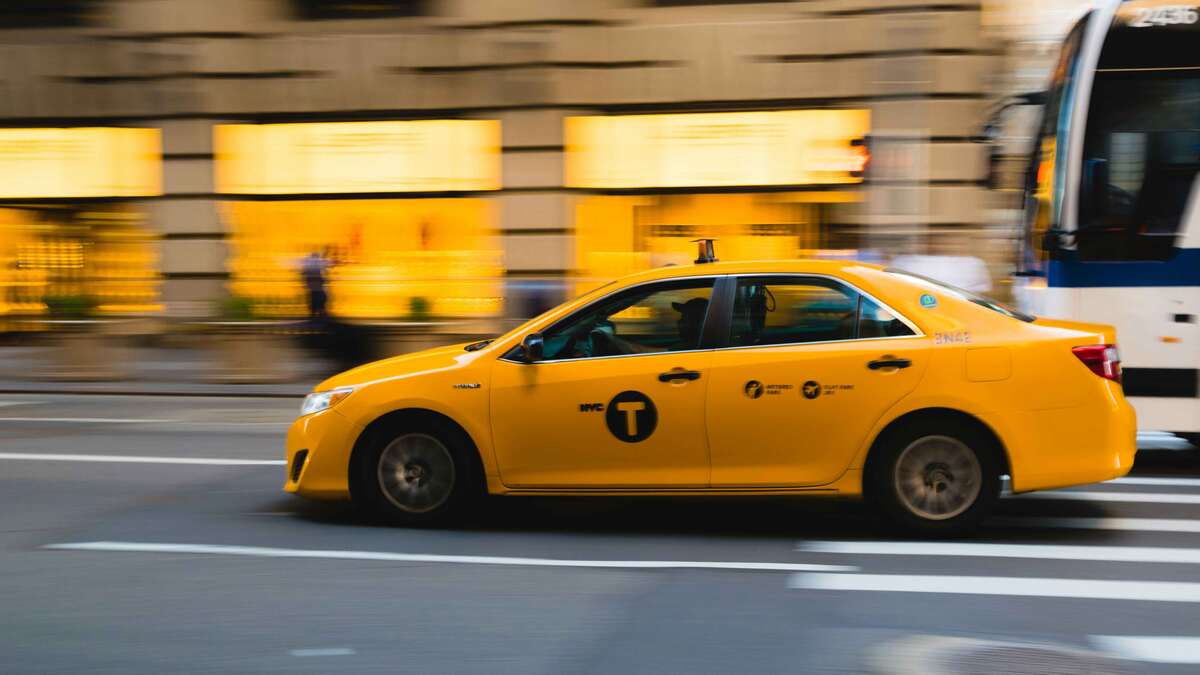

Both taxi drivers and taxi companies can be liable for accidents depending on negligence circumstances. Drivers are personally liable for traffic violations and negligent operation, while companies face vicarious liability for driver actions and direct liability for negligent hiring, training, or vehicle maintenance.
Taxi Driver Liability
Taxi drivers bear personal liability when their negligence causes accidents. Driver errors include speeding, running red lights, failing to yield right of way, distracted driving from cell phone use or GPS adjustments, aggressive lane changes, and driving under influence of alcohol or drugs. These violations breach duties of care owed to passengers and other motorists.
Drivers who work as independent contractors rather than company employees remain personally liable for accidents they cause. Independent contractor status does not eliminate driver responsibility for negligent operation. Passengers can sue drivers directly and collect from their personal assets if insurance coverage proves insufficient.
Criminal Violations and Civil Liability
Taxi drivers cited for traffic violations after accidents face easier liability proof in civil lawsuits. Citations for speeding, reckless driving, or DUI create presumptions of negligence that shift burden of proof to drivers. Police reports documenting violations become powerful evidence in settlement negotiations and trials.
Some jurisdictions apply negligence per se doctrines to traffic violations. This legal principle treats statutory violations as automatic negligence without requiring additional proof. Passengers need only show the violation caused their injuries to establish liability against drivers.
Taxi Company Vicarious Liability
Taxi companies are vicariously liable for driver negligence under respondeat superior when drivers act within employment scope. This legal doctrine holds employers responsible for employee actions performed during work duties. Companies cannot avoid liability by claiming driver independence or contractor status when they control driver work conditions.
Vicarious liability applies regardless of company fault. Even if companies hire qualified drivers, maintain vehicles properly, and enforce safety policies, they remain liable for employee driver negligence. This no-fault liability makes companies preferred defendants because they carry higher insurance coverage than individual drivers.
Employee vs. Independent Contractor Status
Companies often classify drivers as independent contractors to avoid liability and employment obligations. However, courts examine actual working relationships rather than labels when determining status. Factors indicating employee status include company control over routes, fares, and schedules, provision of vehicles and equipment, and prohibition of working for competitors.
Misclassification as independent contractors does not eliminate company liability when drivers function as employees. Taxi accident lawyers in Los Angeles, Glendale, Burbank, Oceanside, Las Vegas, and Phoenix investigate working relationships and challenge misclassification to hold companies accountable.
Direct Company Liability
Taxi companies face direct liability separate from vicarious liability for their own negligent conduct. Negligent hiring occurs when companies fail to conduct proper background checks, verify driving records, or screen for criminal histories. Hiring drivers with suspended licenses, DUI convictions, or poor safety records creates company liability when these drivers cause accidents.
Inadequate training programs fail to prepare drivers for safe passenger transportation. Companies must train drivers on defensive driving techniques, local traffic laws, customer service, and emergency procedures. Poor training that contributes to accidents establishes direct company negligence.
Negligent Supervision and Retention
Companies that fail to monitor driver performance, investigate passenger complaints, or discipline unsafe drivers face retention liability. Keeping problem drivers despite knowledge of safety issues demonstrates reckless disregard for passenger welfare. Documented complaints about aggressive driving, harassment, or vehicle conditions that companies ignore become evidence of negligent retention.
Failure to enforce safety policies including rest requirements, vehicle inspections, and traffic law compliance creates company liability. Companies that pressure drivers to work excessive hours, skip vehicle maintenance, or violate regulations cause foreseeable accidents through systemic negligence.
Vehicle Maintenance Liability
Taxi companies that own and maintain vehicles are liable for mechanical failures causing accidents. Brake failures, steering malfunctions, tire blowouts, and defective lights from inadequate maintenance create direct company negligence. Companies must follow manufacturer maintenance schedules, conduct regular inspections, and repair problems promptly.
Deferred maintenance to reduce costs demonstrates conscious disregard for passenger safety. Evidence of overdue inspections, ignored repair needs, or pattern of mechanical failures supports punitive damages against companies. Maintenance records become crucial evidence proving company negligence.
Third-Party Maintenance Contractor Liability
Some taxi companies contract with third parties for vehicle servicing and repairs. These contractors bear liability when improper maintenance or missed inspections cause accidents. However, taxi companies remain liable for selecting and overseeing contractors. Negligent contractor selection or failure to verify maintenance quality creates company liability.
Rideshare Company Liability Differences
Uber, Lyft, and similar rideshare companies have different liability than traditional taxis. Rideshare companies typically claim to be technology platforms rather than transportation providers, arguing they only connect drivers and passengers without employing drivers. This position aims to avoid vicarious liability for driver negligence.
Courts increasingly reject this argument and find rideshare companies liable under various legal theories. Companies control material aspects of transactions including pricing, driver acceptance, and customer ratings. This control creates employment or agency relationships supporting liability despite independent contractor labels.
Rideshare Insurance Coverage Gaps
Rideshare insurance activates only when drivers accept rides through apps. Drivers logged into apps but awaiting ride requests have lower coverage. Drivers offline have no rideshare coverage. These gaps leave passengers without adequate compensation when accidents occur during transition periods.
Determining which insurance applies requires investigation of driver app status at accident time. Rideshare companies must provide coverage information, but they often delay or withhold this data. Attorneys subpoena company records to verify coverage and hold appropriate insurers responsible.
Joint Liability With Other Drivers
Third-party motorists who cause or contribute to taxi accidents share liability with taxi drivers and companies. Another vehicle running a red light and striking your taxi creates liability against both the at-fault motorist and potentially the taxi driver if they failed to avoid the collision through proper defensive driving.
Joint and several liability in some states allows passengers to collect full compensation from any liable defendant regardless of fault percentages. This rule protects passengers by ensuring recovery even if one defendant lacks sufficient insurance. Modified joint and several liability limits each defendant's responsibility to their proportionate fault share.
Comparative Negligence Between Defendants
When taxi drivers and other motorists both contribute to accidents, courts allocate fault percentages. A taxi driver speeding through an intersection while another driver runs a red light might result in 60% fault to the red light runner and 40% fault to the taxi driver. Both defendants and their insurers share settlement or judgment costs proportionally.
Multiple liable parties increase total available insurance coverage. Taxi commercial policies of $1 million to $5 million combined with other drivers' coverage provides higher compensation potential than single-defendant accidents.
Proving Liability in Taxi Accidents
Evidence proving liability includes police reports citing violations, witness statements describing driver behavior, taxi GPS and dispatch records showing speed and location, vehicle maintenance logs revealing mechanical problems, and driver qualification files showing poor hiring decisions.
Taxi surveillance cameras record interior driver behavior including cell phone use, eating, or distraction before accidents. Exterior cameras show traffic conditions and other driver actions. This footage provides direct evidence of negligence that eyewitness testimony cannot match.
Expert Testimony on Liability
Accident reconstruction experts analyze physical evidence, vehicle damage, and scene conditions to determine how crashes occurred. Their testimony establishes driver negligence when facts are disputed. Transportation safety experts evaluate company policies, training programs, and maintenance practices to prove systemic failures causing accidents.

Michael Avanesian, the founder and driving force behind Avian Law Group, is a passionate and dedicated attorney with a strong background in personal injury law. As a partner at JT Legal Group, Michael led the growth of the personal injury practice from a single employee to a team of over ninety professionals, securing over $2 billion in settlements for clients in just three years.