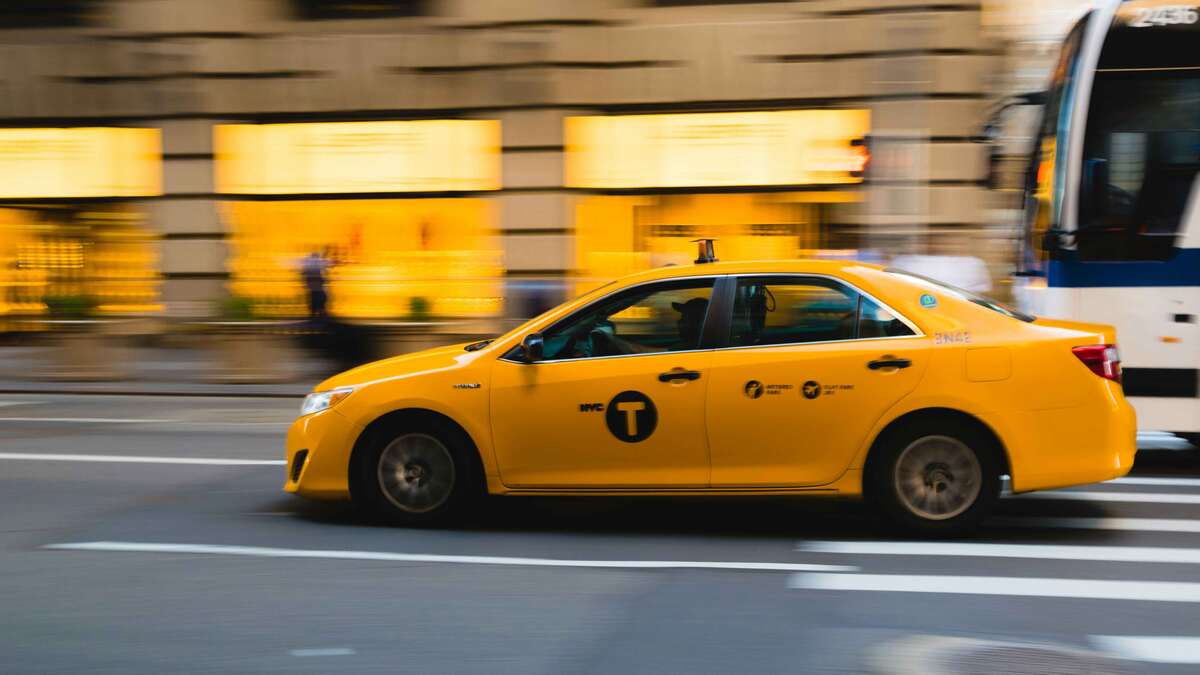

When another driver causes your taxi accident, you can file claims against both the at-fault motorist's insurance and the taxi company's coverage. Multiple insurance sources typically provide higher total compensation than single-defendant accidents, and comparative negligence between drivers does not reduce your passenger recovery.
Third-Party Driver Liability
At-fault motorists who cause taxi accidents face full liability for passenger injuries. Common third-party negligence includes running red lights, failing to yield right of way, unsafe lane changes, following too closely, distracted driving, speeding, and drunk driving. These violations create clear liability supporting strong passenger injury claims.
Third-party drivers carry personal auto insurance with liability limits typically ranging from $25,000 to $500,000 depending on state minimums and policy selections. Higher coverage increases your compensation potential, but many drivers carry only minimum required limits leaving passengers undercompensated for serious injuries.
Identifying the At-Fault Driver
Police reports document which driver caused accidents through officer investigation and citation issuance. Reports noting third-party violations such as running red lights or improper turns establish preliminary fault. However, insurers may dispute police findings requiring additional evidence.
Witness statements corroborate third-party fault when observers saw the other driver's negligent actions. Obtain witness contact information at accident scenes and have your attorney interview them promptly before memories fade. Consistent witness accounts overcome insurer liability disputes.
Taxi Driver Shared Liability
Taxi drivers may share fault even when other motorists primarily caused accidents. Drivers who failed to maintain proper following distances, ignored traffic warnings, or drove distractedly contribute to collisions. Comparative negligence allocates fault percentages between the taxi driver and third party based on their respective contributions.
A taxi driver speeding through an intersection while another motorist runs a red light might result in 30% taxi driver fault and 70% third-party fault. Both drivers' insurers share settlement costs proportionally. This fault allocation does not reduce passenger recovery in pure comparative negligence states because passengers bear no responsibility.
Defensive Driving Failures
Taxi drivers owe passengers the highest duty of care requiring defensive driving practices. Drivers must anticipate other motorists' errors and take evasive action when possible. Failure to brake, swerve, or otherwise avoid collisions after perceiving third-party negligence may constitute contributory fault.
However, courts recognize drivers cannot always avoid sudden unexpected actions by other motorists. Last clear chance doctrines sometimes place full liability on drivers who had final opportunities to prevent accidents regardless of who initially created danger. These complex legal principles require attorney analysis.
Multiple Insurance Claims
File claims against both the third-party driver's liability insurance and the taxi company's commercial coverage. This dual approach maximizes available compensation by accessing multiple policy limits. The at-fault motorist's insurer pays their proportionate fault share while taxi insurance covers the driver's percentage.
Joint and several liability in some states allows passengers to collect full compensation from any liable defendant regardless of fault allocation. This rule protects passengers by ensuring recovery even when one defendant lacks sufficient insurance. Modified joint and several liability limits each defendant's payment to their proportionate fault share. Taxi accident lawyers in Los Angeles, Glendale, Burbank, Oceanside, Las Vegas, and Phoenix navigate these rules to maximize passenger recovery.
Coordinating Multiple Claims
Attorneys manage simultaneous claims against multiple insurers, coordinating settlement timing and allocation. Settling with one insurer does not prevent pursuing the other unless release agreements specifically waive all claims. Carefully drafted releases preserve rights against non-settling defendants.
Insurance companies may attempt to shift responsibility to other liable parties, delaying claim resolution. Your attorney overcomes these tactics by demonstrating each party's fault and demanding proportionate payment without regard to inter-defendant disputes.
Uninsured and Underinsured Motorist Coverage
At-fault drivers lacking insurance or carrying insufficient limits trigger your uninsured/underinsured motorist coverage. UM coverage applies when liable drivers have no insurance or hit-and-run drivers cannot be identified. UIM coverage fills gaps when at-fault drivers' policy limits fall short of your damages.
Your personal auto insurance UM/UIM coverage protects you even when riding as a taxi passenger. Coverage limits typically match your liability limits, ranging from $25,000 to $500,000 or higher. This protection provides crucial compensation when at-fault drivers lack adequate resources.
UM/UIM Claim Process
Notify your insurer promptly after learning the at-fault driver is uninsured or underinsured. Provide police reports, medical records, and documentation of the other driver's coverage status. Your insurer investigates liability and damages before paying UM/UIM claims.
UM/UIM claims may proceed to arbitration when insurers dispute coverage or claim values. Arbitrators hear evidence and render binding decisions on coverage and damages. Attorneys experienced in UM/UIM arbitration protect your interests against insurer lowball tactics.
Hit-and-Run Taxi Accidents
Hit-and-run accidents where third-party drivers flee scenes before identification pose special challenges. Without identified at-fault drivers, you cannot pursue their insurance coverage. However, uninsured motorist coverage treats hit-and-run situations as uninsured driver scenarios.
Police reports documenting hit-and-run accidents are essential for UM claims. Officers note vehicle descriptions, partial license plates, witness accounts, and physical evidence like paint transfers. Your insurer may require police investigation attempts before accepting UM claims.
Surveillance Footage and Witnesses
Traffic cameras, business security systems, and dashcams may capture hit-and-run drivers and license plates. Attorneys canvass accident areas seeking surveillance footage before systems record over previous days. Witnesses who saw fleeing vehicles provide descriptions supporting police investigations.
Some hit-and-run drivers are later identified through police work or witness information. Once identified, you can pursue direct claims against their insurance while maintaining UM claims against your carrier. This creates multiple recovery sources for hit-and-run injuries.
Taxi Company Liability for Hiring
Taxi companies face negligent hiring liability when they employ drivers with poor safety records who then cause accidents. Background checks revealing license suspensions, reckless driving convictions, or numerous accidents should disqualify driver applicants. Companies that hire despite red flags demonstrate negligent hiring when these drivers cause subsequent crashes.
This direct company negligence creates liability beyond vicarious responsibility for driver acts. Negligent hiring allows claims against companies even in independent contractor situations where vicarious liability might not apply. The hiring negligence is the company's own fault separate from driver actions.
Negligent Retention
Companies that keep drivers despite accumulating safety complaints, passenger incidents, or accident histories face negligent retention claims. Documented complaints about dangerous driving that companies ignore demonstrate conscious disregard for passenger safety when drivers cause later accidents.
Regular driver monitoring including MVR checks, passenger feedback review, and accident investigation identifies problem drivers. Companies that fail to monitor and discipline unsafe drivers face retention liability for foreseeable accidents.
Passenger Rights in Multi-Vehicle Accidents
Passengers injured in multi-vehicle taxi accidents involving 3 or more vehicles can sue all negligent drivers. Chain-reaction crashes, intersection collisions involving multiple motorists, and complex accident scenarios create multiple liable parties. Each driver's proportionate fault determines their settlement share.
Total available insurance increases with additional liable defendants. Three negligent drivers with $100,000 policies each provide $300,000 total coverage compared to $100,000 from single defendants. Attorneys identify all liable parties to maximize available compensation.
Apportioning Fault Among Multiple Drivers
Courts and insurers determine each driver's fault percentage through evidence analysis. Comparative negligence allocates fault based on each driver's contribution to the accident sequence. A driver who initially caused a chain reaction may bear 60% fault while drivers who could have avoided secondary impacts share the remaining 40%.
Passengers typically bear zero fault in multi-vehicle accidents. Even if you distracted the taxi driver slightly, your negligence does not contribute to other motorists running red lights or following too closely. This zero passenger fault preserves full compensation recovery from all liable defendants.
Insurance Company Coordination
Multiple liable insurers often dispute fault allocation and coverage responsibility. Each insurer attempts to minimize their payment by shifting blame to other drivers. These inter-company disputes delay settlements but should not reduce passenger compensation.
Your attorney demands each insurer pay their proportionate share based on evidence without waiting for inter-company resolution. Separate settlement negotiations with each carrier proceed independently. Some insurers settle quickly while others delay, but you can accept reasonable offers without waiting for all claims to resolve.
Release and Reservation Language
Settlement agreements with one defendant should preserve rights against other liable parties. Release language must specify it applies only to the settling defendant without waiving claims against others. Carefully drafted releases prevent one settlement from discharging all defendants' liability.

Michael Avanesian, the founder and driving force behind Avian Law Group, is a passionate and dedicated attorney with a strong background in personal injury law. As a partner at JT Legal Group, Michael led the growth of the personal injury practice from a single employee to a team of over ninety professionals, securing over $2 billion in settlements for clients in just three years.