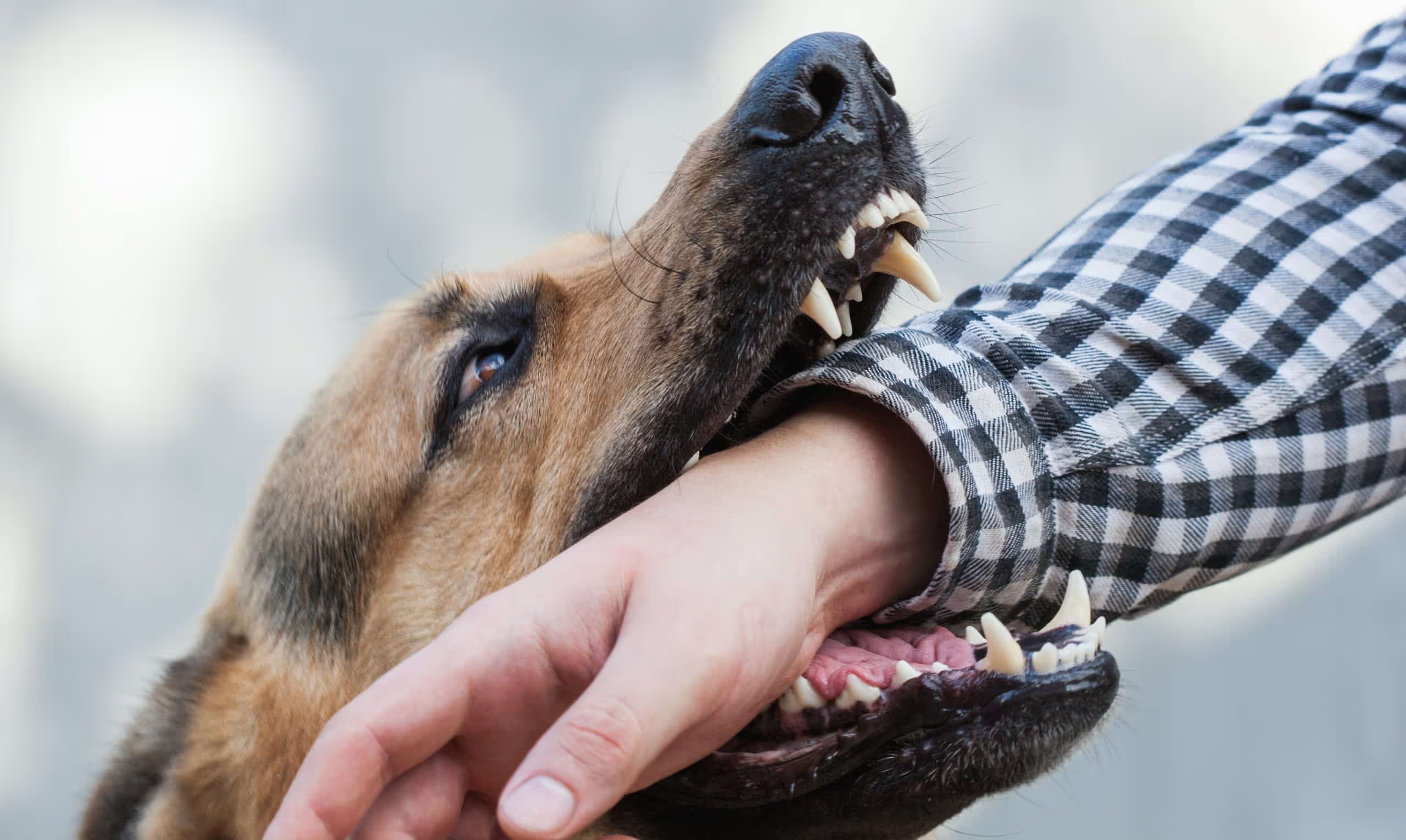

A dog-bite lawsuit follows a clear legal process designed to prove liability, document injuries, and secure compensation for medical bills, lost income, and long-term effects. Because these cases often involve strict liability laws and homeowner’s insurance, victims can usually pursue compensation without directly targeting the dog owner’s personal finances. Understanding each stage of the process helps victims prepare strong evidence and avoid delays in their insurance claims.
What Starts a Dog-Bite Lawsuit?
To begin the lawsuit, victims document the injury, identify the dog owner, and file an insurance claim or legal complaint. Medical records, photographs, and witness statements establish the basics of what happened. If informal negotiation fails, an attorney files a lawsuit to preserve the victim’s right to compensation.
What Evidence Matters Most in Dog-Bite Cases?
To build a strong case, victims need clear documentation showing the severity of injuries and the circumstances surrounding the attack.
Key evidence includes:
- Photos of the wound and healing stages
- Medical evaluations and treatment records
- Information about the dog and its owner
- Witness accounts describing the attack
- Police or animal-control reports
- Proof of lost income and long-term limitations
This evidence helps attorneys demonstrate fault and calculate the value of a personal injury claim.
What Legal Standard Determines Fault?
To determine liability, most states use strict liability or negligence laws.
- Under strict liability, dog owners are responsible for bites even if the dog had no prior history of aggression.
- Under negligence, victims must prove the owner failed to act reasonably, such as by letting the dog roam freely or ignoring leash laws.
Understanding your state’s system helps clarify how much proof is required.

What Role Does Comparative Negligence Play?
To evaluate compensation adjustments, insurers and courts look at whether the victim’s actions contributed to the incident. Approaching an aggressive dog, entering a restricted area, or provoking the animal may reduce compensation. Comparative negligence assigns fault percentages, which lowers damages according to the victim’s share of responsibility.
How Does Filing an Insurance Claim Work?
To recover compensation, most victims file with the dog owner’s homeowner’s insurance or renter’s insurance. These policies frequently cover dog-bite injuries. The insurer then investigates the claim, reviews evidence, and determines liability. If the insurer undervalues the claim, the victim may choose to file a lawsuit to pursue a higher settlement.
What Happens During the Lawsuit Itself?
To move the lawsuit forward, several structured steps occur:
1. Filing the Complaint
The attorney submits a formal complaint outlining the victim’s injuries, damages, and legal basis for compensation.
2. Serving the Dog Owner
The dog owner receives official notice of the lawsuit and is required to respond.
3. Discovery Phase
During discovery, both sides exchange evidence and conduct depositions. Medical records, photos, and witness interviews help confirm liability and injury severity.
4. Settlement Negotiations
Most dog-bite lawsuits settle before trial. Attorneys negotiate compensation that covers medical bills, emotional trauma, lost wages, and pain and suffering.
5. Trial (if necessary)
If settlement fails, the case goes to trial. Both sides present arguments, and a judge or jury determines compensation.
What Damages Can Victims Recover?
To calculate damages, attorneys assess the short-term and long-term impact of the injury.
Recoverable compensation includes:
- Emergency medical care
- Surgery, stitches, or infection treatment
- Follow-up medical visits
- Scar revision procedures
- Lost income
- Reduced earning capacity
- Emotional distress
- Pain and suffering
Significant scarring, nerve damage, or psychological effects typically increase the value of the case.
How Long Does a Dog-Bite Lawsuit Take?
To estimate the timeline, consider the cooperation of insurers, the severity of the injury, and whether long-term treatment is needed. Most cases settle within several months, while cases involving complex injuries may take longer to ensure all future medical costs are included.
What If the Dog Owner Denies Responsibility?
To overcome disputed liability, attorneys use expert testimony, medical evidence, and eyewitness accounts. Animal-control reports also help verify the attack and establish that the dog was not properly restrained or controlled.
How Does Working With an Attorney Help?
To secure full compensation, attorneys gather documentation, negotiate with insurers, calculate long-term damages, and manage communication so victims can focus on healing. Legal representation is especially important when insurers attempt to shift blame or minimize the value of the claim during insurance claims negotiations.
Final Takeaway
Dog-bite lawsuits follow a structured process that includes documentation, insurance review, and potential litigation. With the right evidence and legal guidance, victims can recover compensation for medical expenses, scarring, lost income, and long-term emotional effects. Understanding each step of the process—and working with an experienced dog bite attorney—ensures the claim moves smoothly and accurately reflects the true impact of the attack.

Michael Avanesian, the founder and driving force behind Avian Law Group, is a passionate and dedicated attorney with a strong background in personal injury law. As a partner at JT Legal Group, Michael led the growth of the personal injury practice from a single employee to a team of over ninety professionals, securing over $2 billion in settlements for clients in just three years.