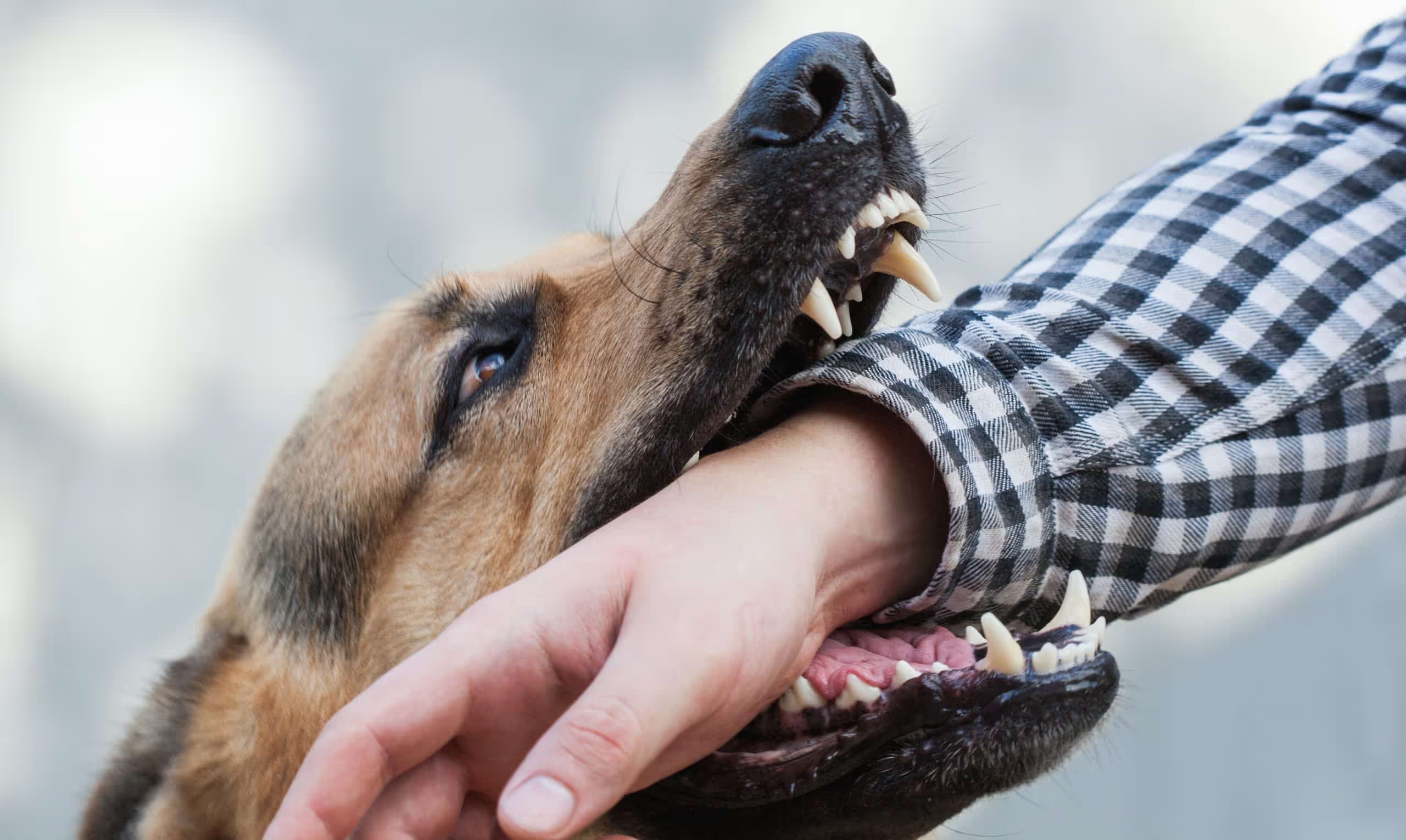

Suing for a dog bite is often worth it when the victim suffers medical bills, scarring, emotional trauma, or lost income. Dog-bite cases rely on clear liability rules that hold dog owners responsible for injuries in many states. However, lawsuits also involve time, evidence requirements, and insurance negotiations. Evaluating the pros and cons helps victims decide whether filing a claim is the best path toward compensation.
When Is Suing for a Dog Bite Worthwhile?
To determine whether a lawsuit makes sense, evaluate the severity of the injury, the financial impact, and the clarity of liability. Dog bites frequently cause puncture wounds, infections, nerve damage, and long-term scarring. When injuries require medical treatment, affect appearance, or create anxiety around animals, a lawsuit can recover those losses.
Connecting your claim to dog bites law helps clarify the strength of your case.
What Are the Pros of Suing After a Dog Bite?
To understand the benefits, look at how a lawsuit helps victims recover financial and emotional losses.
Key advantages include:
- Compensation for medical bills such as stitches, surgery, or infection treatment
- Payment for lost income if injuries prevent you from working
- Coverage for future medical care including scar revision or physical therapy
- Compensation for pain and suffering linked to trauma, fear, and long-term pain
- Accountability for negligent dog owners who failed to restrain or train their pets
- Access to homeowner’s insurance coverage that often pays for injuries
Because homeowner’s insurance frequently covers dog-bite claims, victims can seek compensation without directly pursuing the dog owner’s personal assets.
What Are the Cons of Suing for a Dog Bite?
To understand the drawbacks, consider that lawsuits require time, evidence, and cooperation from insurers. Victims must gather documentation, attend medical appointments, and respond to requests from attorneys. Emotional discomfort may arise when the dog belongs to a friend or neighbor.
Potential challenges include:
- Time required to negotiate or litigate
- Emotional stress associated with confronting the dog owner
- Disputes over whether the victim provoked the dog
- Insurers minimizing the severity of injuries
- Possible reduction in compensation under comparative negligence rules
These challenges may affect how long the case takes and whether settlement negotiations are straightforward.

What Compensation Can Victims Expect?
To estimate potential recovery, evaluate the medical costs, long-term effects, and emotional trauma caused by the bite. Compensation often covers:
- Emergency room care
- Follow-up treatment
- Scar revision procedures
- Lost wages
- Therapy for emotional distress
- Pain and suffering
Long-term impacts, such as nerve damage or visible scarring, typically increase the value of a personal injury claim.
How Do States Determine Dog-Bite Liability?
To understand your rights, recognize that states use one of two legal systems: strict liability or negligence.
- Strict liability holds the dog owner responsible regardless of whether the dog showed aggression before.
- Negligence laws require proving the owner failed to act reasonably.
Knowing which system applies helps determine how strong your case is and how much evidence you need.
How Does Comparative Negligence Influence Dog-Bite Cases?
To calculate compensation adjustments, insurers analyze whether the victim provoked the dog or ignored warnings. Comparative negligence reduces compensation based on the victim’s percentage of fault. For example, pulling a dog’s tail, entering a restricted area, or approaching an injured animal may influence fault percentages.
How Should You Document a Dog-Bite Injury?
To strengthen your case, gather thorough evidence immediately after the attack.
Important documentation includes:
- Photos of the wound from multiple angles
- Medical records showing injury severity
- Information about the dog’s owner
- Proof of vaccination history if available
- Witness statements
- Police or animal control reports
Clear documentation helps establish liability and reduces disputes during pain and suffering evaluations.
What If the Dog’s Owner Denies Liability?
To challenge denial, attorneys use medical records, witness accounts, and local animal control reports to prove the dog bit without provocation. Neighbor disputes, inaccurate statements, and insurance-company tactics may complicate the case, but evidence from the scene can help confirm fault.
Will Suing Affect Your Relationship With the Dog Owner?
To minimize personal tension, remember that homeowner’s insurance—not the dog owner personally—usually pays the claim. This distinction reduces financial hardship for the owner and allows victims to seek necessary compensation without damaging relationships.
How Does Legal Representation Help?
To navigate the complexities of liability and insurance, an attorney evaluates the bite, gathers documentation, negotiates with insurers, and calculates long-term effects. Lawyers experienced in pain and suffering and dog-bite litigation help secure fair compensation while handling communication with the insurer and dog owner.
Final Takeaway
Suing for a dog bite is worth it when injuries cause medical bills, long-term damage, scarring, missed work, or emotional trauma. Strict liability laws, homeowner’s insurance coverage, and clear documentation strengthen the victim’s case. By understanding the pros and cons, victims can decide whether legal action is the right step toward recovering full compensation for their injuries and whether to work with a dedicated dog bite attorney.

Michael Avanesian, the founder and driving force behind Avian Law Group, is a passionate and dedicated attorney with a strong background in personal injury law. As a partner at JT Legal Group, Michael led the growth of the personal injury practice from a single employee to a team of over ninety professionals, securing over $2 billion in settlements for clients in just three years.