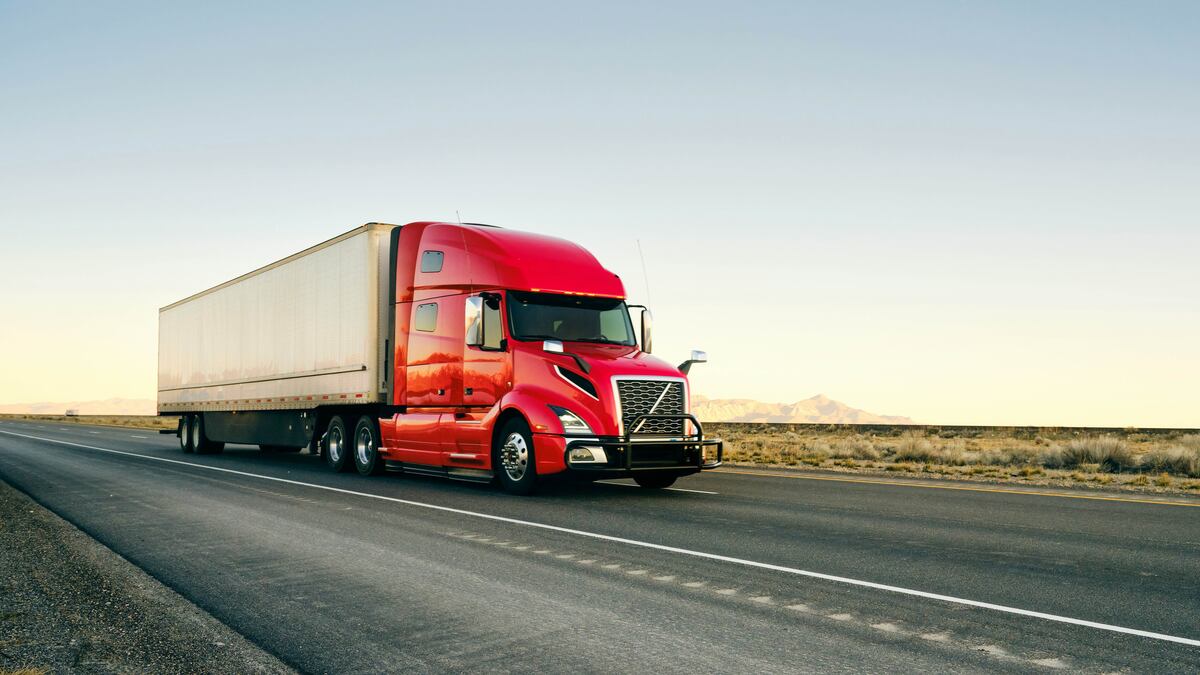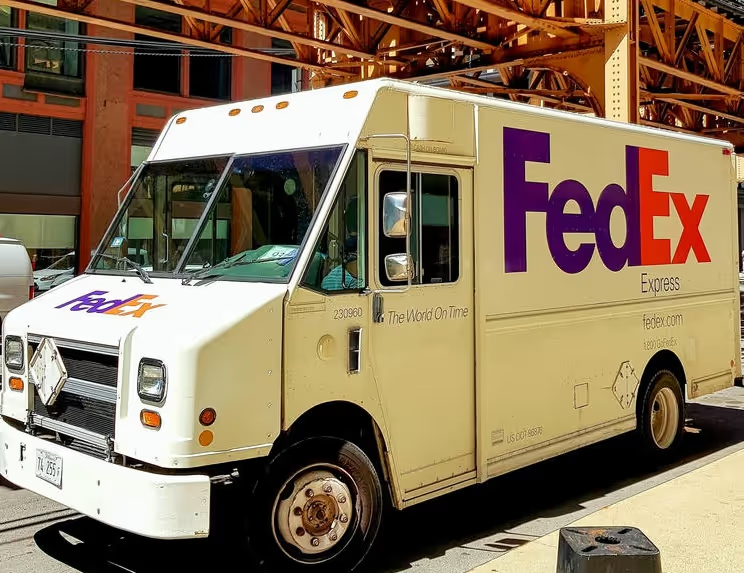

Whether an Amazon driver uses a personal vehicle through the Flex program or an Amazon-branded van through a Delivery Service Partner determines which insurance policy covers your injuries. These 2 programs carry different coverage structures and involve different liable parties, and the distinction changes both who you file your claim against and how much total coverage is available.
Amazon Flex: Personal Vehicles, Defined Commercial Coverage
Amazon Flex drivers use their own personal vehicles to deliver packages as independent contractors. During an active delivery, Amazon provides a commercial auto liability policy with a $1 million per-accident limit for third-party injuries. This coverage activates specifically when the Flex driver is logged into the delivery app and actively delivering packages. Coverage status changes the moment the driver completes their final delivery and is traveling home, which creates a legally significant transitional gap.
The Coverage Gap in Flex Claims
Most personal auto insurance policies contain commercial use exclusions. When a Flex driver's personal insurer discovers the driver was making deliveries at the time of the crash, the insurer can deny the claim on commercial exclusion grounds. If Amazon simultaneously argues the driver had completed their route, no insurer accepts responsibility. Proving the driver was in active Flex delivery status at the exact moment of the crash requires app status data and GPS delivery logs that exist only for a narrow window after the accident. This evidence must be preserved immediately.
Amazon Prime Vans and Delivery Service Partners
Amazon Prime vans, the blue and white vehicles bearing the Amazon logo, are operated by Delivery Service Partners. DSPs are independent contracting companies that hire drivers, manage delivery routes, and operate within Amazon's broader logistics network. Each DSP carries its own commercial fleet insurance, and Amazon may carry additional coverage positioned above the DSP policy depending on contractual terms and the size of the accident.
When a Prime van driver causes an accident, the DSP's commercial policy is typically the primary insurer. Amazon itself can be named as a defendant when evidence establishes that the company exercised sufficient operational control over the driver through its Mentor app safety scoring system, mandatory routing instructions, and delivery pace requirements tied to driver performance reviews.

Proving Amazon's Control Over DSP Drivers
Courts in multiple states have found Amazon liable for DSP driver accidents where evidence showed Amazon's operational systems dictated driving pace, route selection, and real-time driver behavior. In a 2024 Georgia case, a jury found Amazon 85% liable for a crash caused by a DSP driver, citing Amazon's Mentor app monitoring, branded equipment, and route management as evidence of a functional employment relationship despite the independent contractor designation.
How to Determine Which Program Your Driver Was Using
At the scene, note whether the vehicle carried Amazon branding or belonged to a separately named logistics company. Ask the driver directly whether they use the Amazon Flex app or work for a named delivery company. Photograph any visible identification badge, uniform, or documentation. The vehicle registration, which police will document, identifies whether the van is fleet-owned. This information determines which insurer your attorney contacts first and which records are subject to a preservation demand.
Why the Distinction Matters for Your Settlement
Flex driver claims limited to Amazon's commercial policy have a clear coverage ceiling and a defined claims process. Prime van claims involving both DSP and Amazon corporate liability carry greater complexity but also greater total coverage potential. Cases where Amazon itself is a named defendant typically generate higher settlement pressure because Amazon's litigation exposure from precedent-setting verdicts motivates earlier resolution at stronger values compared to DSP-only claims.
Immediate Steps After an Amazon Delivery Accident
Secure all visible information at the scene, call police, seek medical attention the same day, and retain an attorney before speaking to any company representative or claims adjuster. Your attorney issues a preservation demand to Amazon and the DSP for all onboard camera footage, Flex app data, GPS route records, and driver safety scores within 24 to 48 hours of retention. This demand is the single most time-critical action in Amazon delivery accident cases.
Speak with any bystanders who saw the crash before police arrive and while they are still present at the scene. Witness testimony confirming the delivery driver's behavior in the minutes before impact is difficult to obtain after the fact and carries significant weight in disputes about fault and app status.
Work With Avian Law Group
Our delivery truck accident attorneys investigate which Amazon program was involved, issue immediate preservation demands for app and GPS data, and file against all available insurers simultaneously.
When delivery accidents involve serious injuries, our rideshare accident attorneys apply the same gig-economy liability frameworks used in Uber and Lyft cases to Amazon Flex claims.
Our personal injury lawyers offer free consultations to assess your claim and advise you before any insurer communication begins.

Michael Avanesian, the founder and driving force behind Avian Law Group, is a passionate and dedicated attorney with a strong background in personal injury law. As a partner at JT Legal Group, Michael led the growth of the personal injury practice from a single employee to a team of over ninety professionals, securing over $2 billion in settlements for clients in just three years.