
Workers' compensation is the default and often the only remedy for most workplace injuries in California. However, construction workers injured on Los Angeles job sites frequently have a third-party personal injury claim available in addition to workers' comp, and that claim can recover categories of damages that the workers' comp system does not cover at all. Understanding when third-party liability applies, who the potential defendants are, and how third-party claims work alongside workers' compensation is critical to recovering the full value of your losses rather than accepting the limited benefits workers' comp provides and leaving substantial additional compensation on the table.
What Workers Comp Covers and What It Does Not
Workers' compensation in California is a no-fault system that covers specific categories of losses:
- All reasonable and necessary medical treatment related to the workplace injury, including emergency care, surgery, hospitalization, rehabilitation, physical therapy, and prescriptions
- Temporary disability benefits equal to approximately two-thirds of your average weekly wage while you are unable to work due to the injury
- Permanent disability benefits if the injury results in lasting impairment that affects your ability to work, calculated based on the severity of the impairment and your occupation
- Vocational rehabilitation in some cases to help you return to work in a different capacity if you cannot return to your previous job
What workers' comp explicitly does not cover:
- Pain and suffering or emotional distress, which are considered non-economic damages not compensable under the workers' comp system
- The full value of lost wages, since you only receive two-thirds of your actual income rather than 100 percent of your lost earnings
- The complete cost of permanent disability calculated over your entire remaining working lifetime based on your actual earning capacity
- Punitive damages even when the injury was caused by egregious safety violations or willful misconduct by someone other than your employer
For a construction worker who suffers a catastrophic injury such as a spinal cord injury resulting in paralysis, a traumatic brain injury, severe burns covering a large percentage of body surface area, or an amputation, the gap between what workers' comp pays and what the injury actually costs over a lifetime can amount to hundreds of thousands or even millions of dollars. Third-party liability claims fill that gap when someone other than your employer caused or contributed to your injury.
When Third-Party Liability Applies
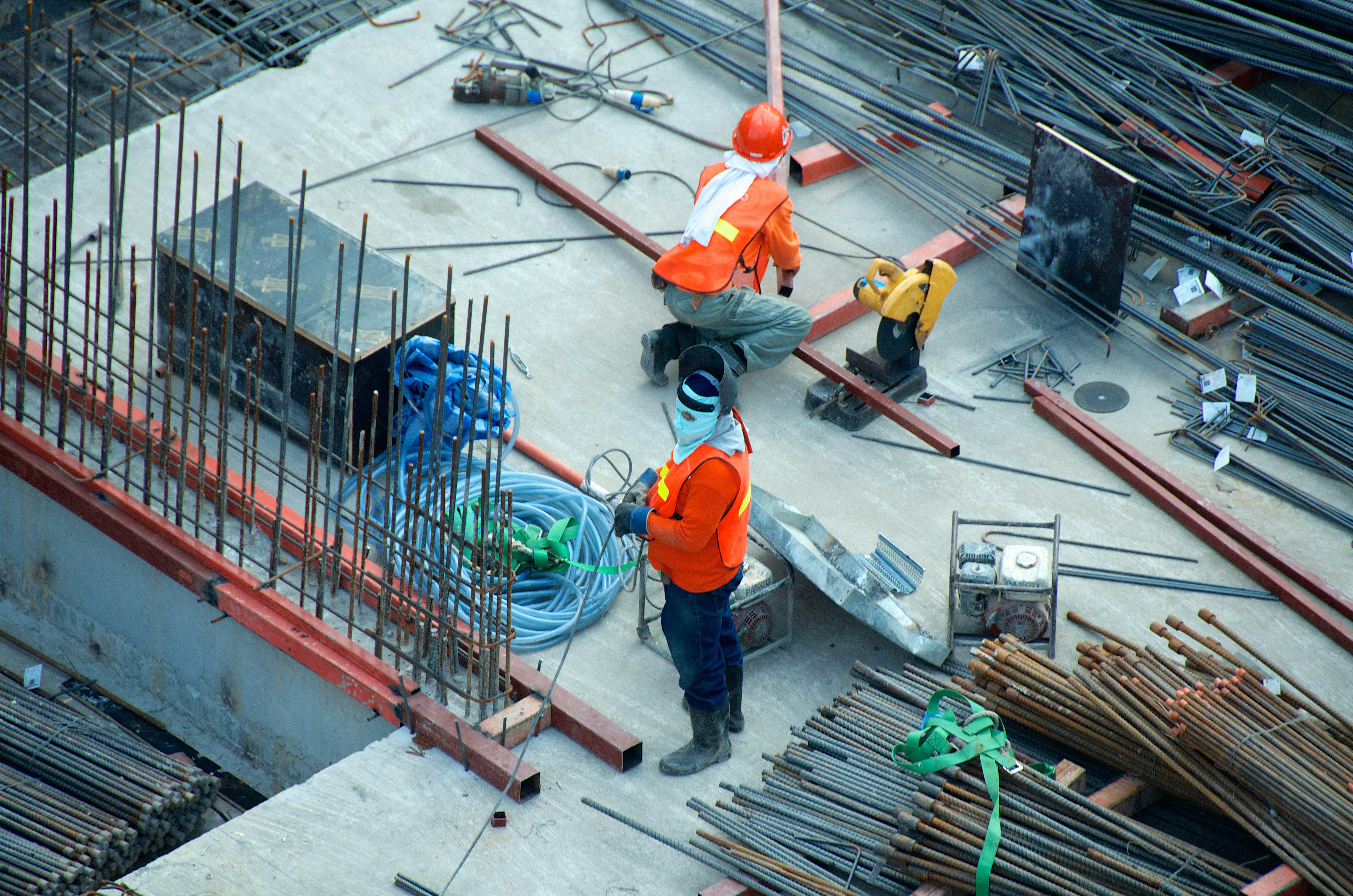
Third-party liability applies when someone other than your direct employer caused or contributed to your injury. On a construction site with multiple contractors, subcontractors, equipment suppliers, and property owners, the opportunities for third-party liability are substantial. Our overview of common construction accidents on job sites identifies the scenarios that most frequently give rise to third-party claims, including falls from improperly erected scaffolding, electrocutions caused by unsafe wiring, equipment failures due to defective machinery, and collapses caused by structural defects in buildings under construction or demolition.
Potential third-party defendants in construction injury cases include:
- The general contractor if you work for a subcontractor and the GC controlled the site conditions that caused your injury or failed to enforce safety regulations across all trades working on the site
- Equipment manufacturers if defective machinery, tools, or safety equipment caused the accident or failed to protect you as designed
- Property owners who retained control over specific aspects of site safety or who created dangerous conditions that contributed to your injury
- Engineers or architects whose design created an inherently dangerous condition that could have been avoided through proper planning
- Other subcontractors whose work created the hazard that injured you, such as an electrical subcontractor whose unsafe wiring caused your electrocution
The California Labor Code imposes specific duties on general contractors to maintain safe working conditions for all workers on the site, regardless of which subcontractor employs them. When a general contractor fails that duty through inadequate site supervision, failure to enforce safety regulations that apply across trades, or creating an unreasonably dangerous condition through their own work, they can be held directly liable outside the workers' comp system.
How Third-Party Claims Work Alongside Workers Comp
You can pursue both a workers' comp claim and a third-party personal injury lawsuit simultaneously. In fact, you should file for workers' comp benefits immediately to cover medical expenses and replace lost income while the third-party investigation and litigation proceed. The workers' comp insurer may assert a lien against your third-party recovery to recoup the benefits they paid, but the third-party claim can still produce substantially more than workers' comp alone. Our article on how a workers comp attorney protects your rights after a workplace accident explains the procedural relationship between the two systems and how to navigate both claims at once without jeopardizing either by making statements or accepting settlements that undermine the other claim.
Third-party claims allow recovery for all damages available in any other personal injury case:
- Full economic damages including 100 percent of lost wages, not just the two-thirds provided by workers' comp, and complete lifetime earning capacity if you cannot return to your previous occupation
- Pain and suffering for the physical pain of the injury and the ongoing discomfort during recovery
- Emotional distress and the psychological impact of a life-altering injury
- Loss of consortium damages for your spouse if the injury has affected your marital relationship
- Punitive damages in cases involving gross negligence or willful safety violations that show conscious disregard for worker safety
For a construction worker whose injuries prevent them from returning to physical labor permanently, the difference between workers' comp and a full third-party recovery can mean the difference between financial devastation and genuine compensation that allows for retraining in a new career, adaptation to permanent disability, and maintaining quality of life despite the injury.
Preserving Evidence on a Construction Site
Construction sites are dynamic environments where conditions change daily and evidence relevant to your injury can disappear within hours of the accident. Preserving that evidence requires immediate legal action. Critical evidence includes:
- The specific equipment involved in the injury, before it is repaired, modified, or removed from the site
- Photographs and measurements of the accident location showing the condition at the time of injury
- Safety inspection logs, OSHA citations if the site has been cited, and Cal/OSHA reports if the agency investigated
- Training records for all personnel on site showing who was qualified to perform the work that led to your injury
- The site safety plan and whether it was actually followed in practice or existed only on paper to satisfy regulatory requirements
- Witness statements from co-workers who saw what happened and can describe the conditions that led to the accident
A construction accident attorney experienced in both workers' compensation and third-party liability litigation can identify every available claim, issue preservation demands to all potential defendants immediately after the injury to prevent evidence spoliation, conduct an independent investigation of the accident separate from any employer or OSHA investigation, and build a comprehensive case that captures the full extent of what you lost both through the workers' comp system and through third-party recovery against every party whose negligence contributed to your catastrophic injury.

Michael Avanesian, the founder and driving force behind Avian Law Group, is a passionate and dedicated attorney with a strong background in personal injury law. As a partner at JT Legal Group, Michael led the growth of the personal injury practice from a single employee to a team of over ninety professionals, securing over $2 billion in settlements for clients in just three years.